Terracotta vs Plastic Pots: Does It Really Change Anything?
Terracotta is the aesthetic default and plastic is what your plant arrived in. The difference is not decorative — it changes how fast the medium dries, which changes your entire watering routine.
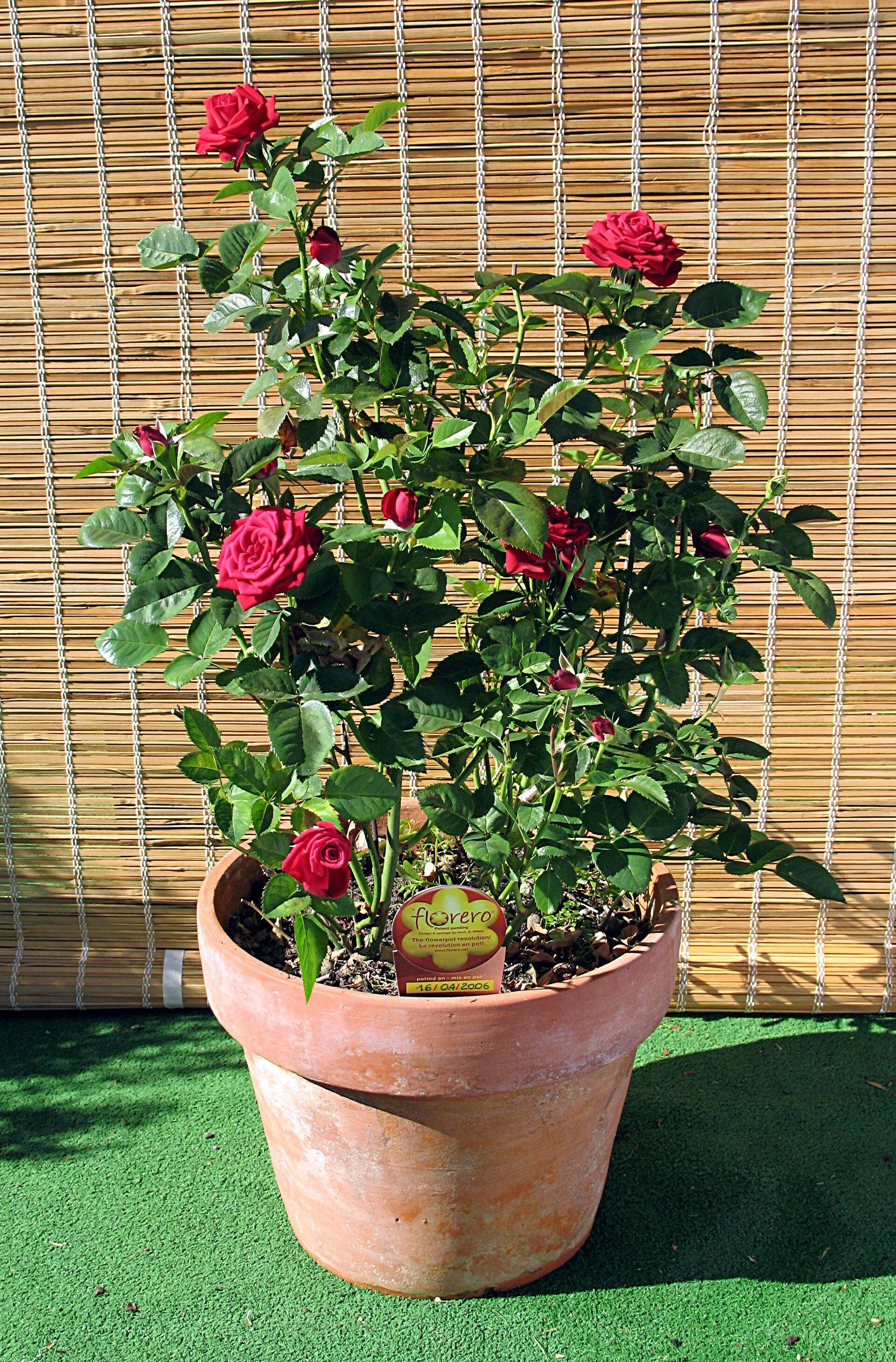
Photo: Flowerpot by Arch. Attilio Mileto - attilio.mileto@florero.net · CC BY-SA 3.0 · via Wikimedia Commons
01What porosity actually does
Unglazed terracotta is fired clay full of microscopic pores. Water moves through those pores to the outer surface and evaporates, which is why an old terracotta pot develops a white mineral crust and sometimes a patch of moss on the shaded side.
That evaporation does two useful things: it dries the medium faster, and it pulls a little air into the root zone as water leaves. Roots need oxygen; a medium that never dries is a medium where roots suffocate before they starve.
Plastic and glazed ceramic do none of this. Water leaves only through the surface of the medium and the drainage hole. Same soil, same plant, same watering can — very different timelines.
02Side by side
| Unglazed terracotta | Plastic | |
|---|---|---|
| Drying speed | Fast — sides evaporate too | Slow — top and drainage hole only |
| Root aeration | Better | Depends entirely on the mix |
| Overwatering forgiveness | High | Low |
| Underwatering forgiveness | Low | High |
| Weight | Heavy — good for tall top-heavy plants | Light — easy to move and hang |
| Cold windowsills | Roots run cooler, can chill in winter | Insulates slightly better |
| Repotting | Roots often grip the wall | Squeeze the sides, plant slides out |
| Cost & durability | Cheap but cracks if frozen or dropped | Cheap and near-indestructible |
03Which plants want which
The pairing rule is simple: put drought-adapted plants in terracotta and moisture-loving plants in plastic. Then match your own habits against it.
If you are a chronic overwaterer — and most people who lose plants are — terracotta is a genuine correction. It builds a margin of error into the system, because the pot is quietly removing the excess for you.
If you forget plants for weeks, plastic is the correction. A fern or calathea in terracotta on a sunny sill can crisp in three days.
- Terracotta — Succulents, cacti, snake plants, ZZ plants, most bonsai, orchids in bark, pelargoniums, herbs like rosemary and thyme.
- Plastic or glazed — Ferns, calatheas, peace lilies, spathiphyllum, most seedlings and cuttings, anything you water infrequently by nature.
- Either, with adjusted watering — Pothos, monstera, philodendron, rubber plants — genuinely flexible, so let aesthetics decide.
04The cachepot approach
You do not have to choose. The standard nursery method is to keep the plant in a cheap plastic grow pot with good drainage and drop that inside a decorative outer pot with no hole — a cachepot.
This gives you the look you want, makes watering easy (lift the inner pot out, water it at the sink, let it drain fully, put it back), and completely removes the risk of a plant sitting in a reservoir of water.
The one rule is to actually let it drain before it goes back in. Water pooling in the bottom of a cachepot is functionally identical to a pot with no drainage hole, and it is the single most common cause of root rot in otherwise well-cared-for plants.
05The verdict
Terracotta is the better default for anyone who loses plants to rot, for anything drought-adapted, and for tall plants that need the ballast. Its downside — needing water more often — is a downside you notice and can fix, unlike rot, which you notice too late.
Plastic is the better default for moisture-lovers, for hanging plants, for propagation, and for anyone whose watering is genuinely infrequent.
Either way, the pot is only half the system. A dense, water-retentive mix in terracotta still stays wet, and a gritty mix in plastic drains fine. Choose the pot and the medium together.
Frequently asked questions
- Should I soak a new terracotta pot before planting?
- Yes, for half an hour. Dry clay pulls a surprising amount of water out of fresh medium, which can leave a newly potted plant dry within a day.
- How do I get rid of the white crust on terracotta?
- It is mineral salts from your water and fertiliser. Scrub with a stiff brush and soak the empty pot in a 1:4 white vinegar solution for an hour. It is cosmetic and harmless, but heavy build-up does slow evaporation.
- Is pot size more important than pot material?
- Yes. Going more than 3–5 cm wider than the previous pot leaves a volume of wet medium that no roots reach, and that stays wet far longer than any material effect. Fix size first, then material.
Marcus Hale
Contributor — soil & propagation
Marcus spent six years in a wholesale nursery mixing media by the cubic metre before moving to container growing at home. He covers potting mixes, repotting and the unglamorous half of plant care.
Keep reading
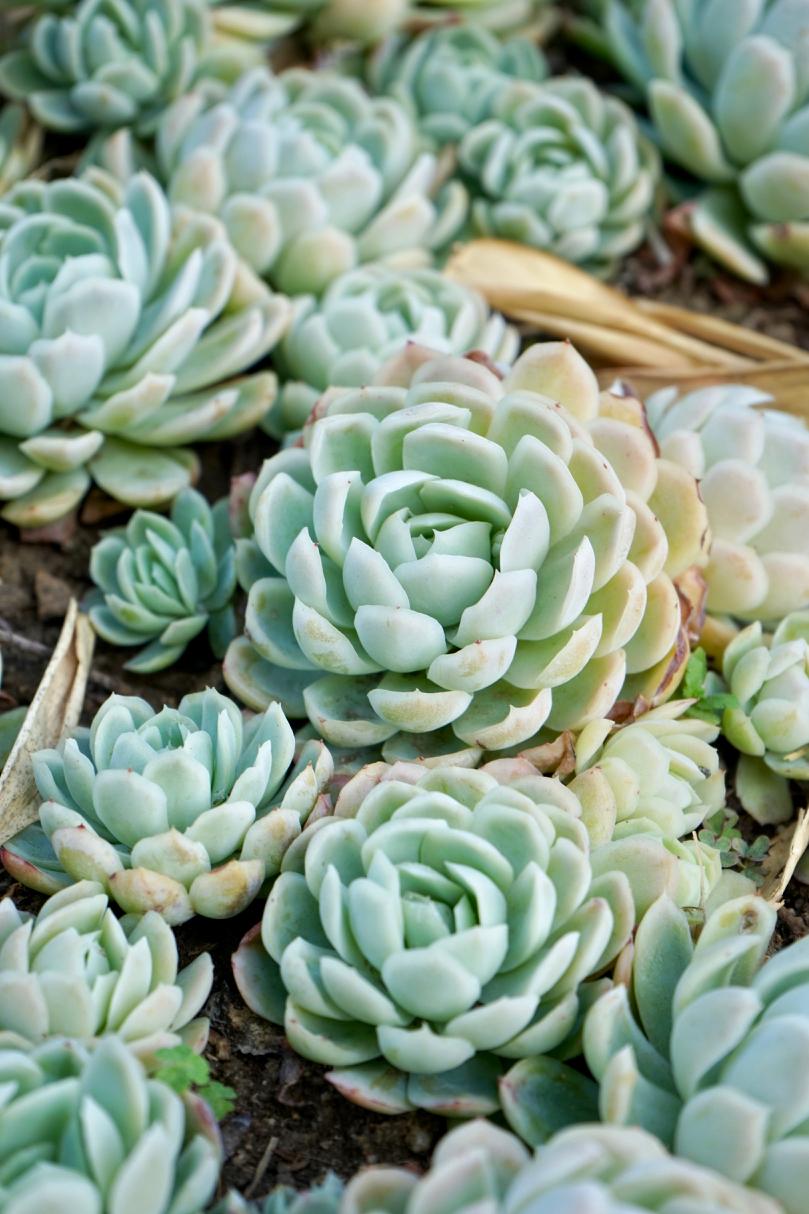
Succulents vs Cacti: Which One Actually Belongs Indoors?
They sit on the same shelf at the garden centre and get sold with the same care card, but succulents and cacti want noticeably different amounts of light. Picking wrong is why one of them is stretching.
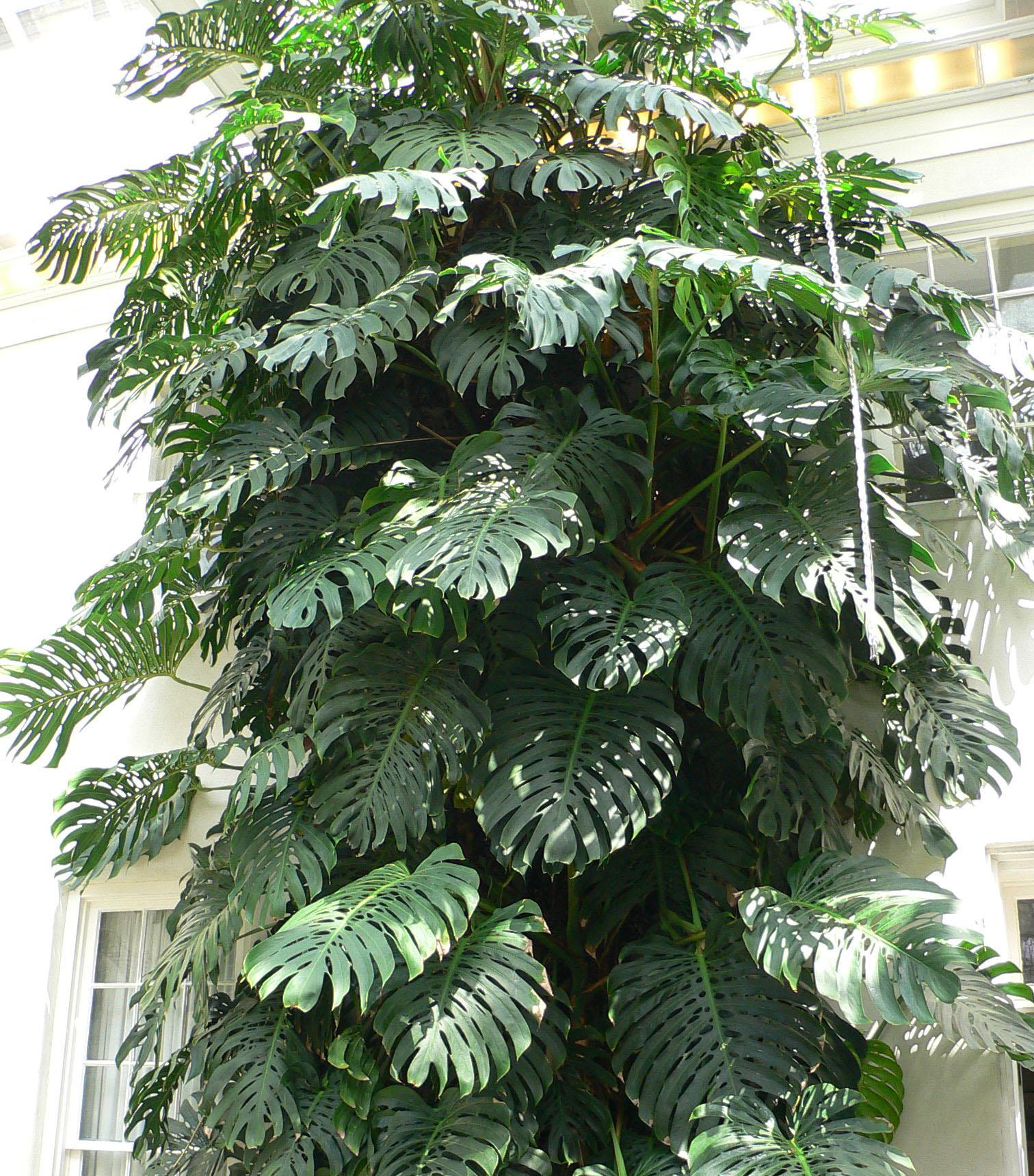
Pothos vs Monstera: The Honest Comparison
Both are climbing aroids with glossy green leaves, and in a nursery pot they look like the same plant at different sizes. The difference shows up two years later, when one has taken over a corner of the room.
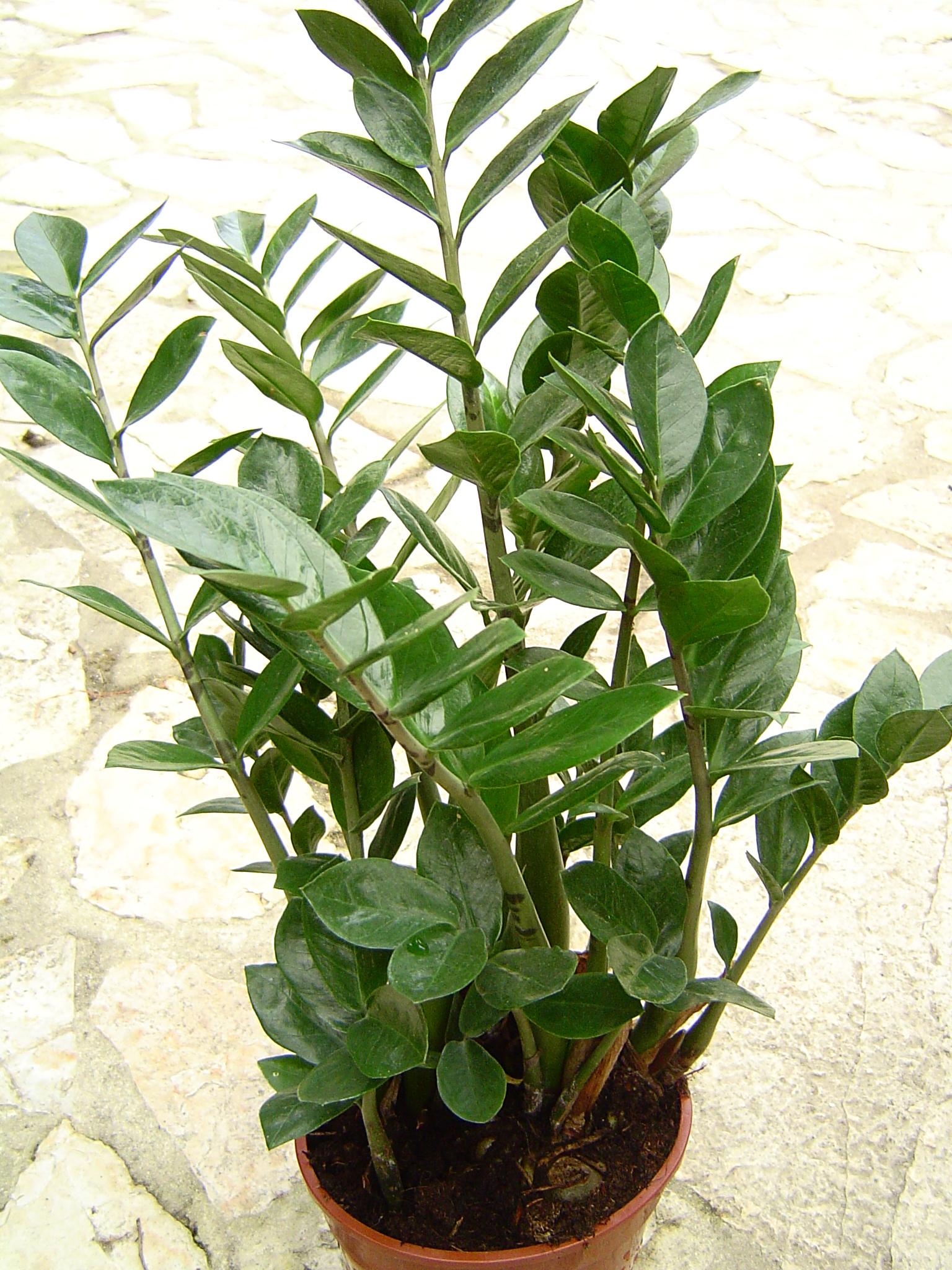
Snake Plant vs ZZ Plant: Which Survives a Dark Room?
These two get recommended interchangeably for the corner that gets no light. They are both genuinely tough, but they fail in different ways, and one of them handles a cold flat much better.