Snake Plant vs ZZ Plant: Which Survives a Dark Room?
These two get recommended interchangeably for the corner that gets no light. They are both genuinely tough, but they fail in different ways, and one of them handles a cold flat much better.
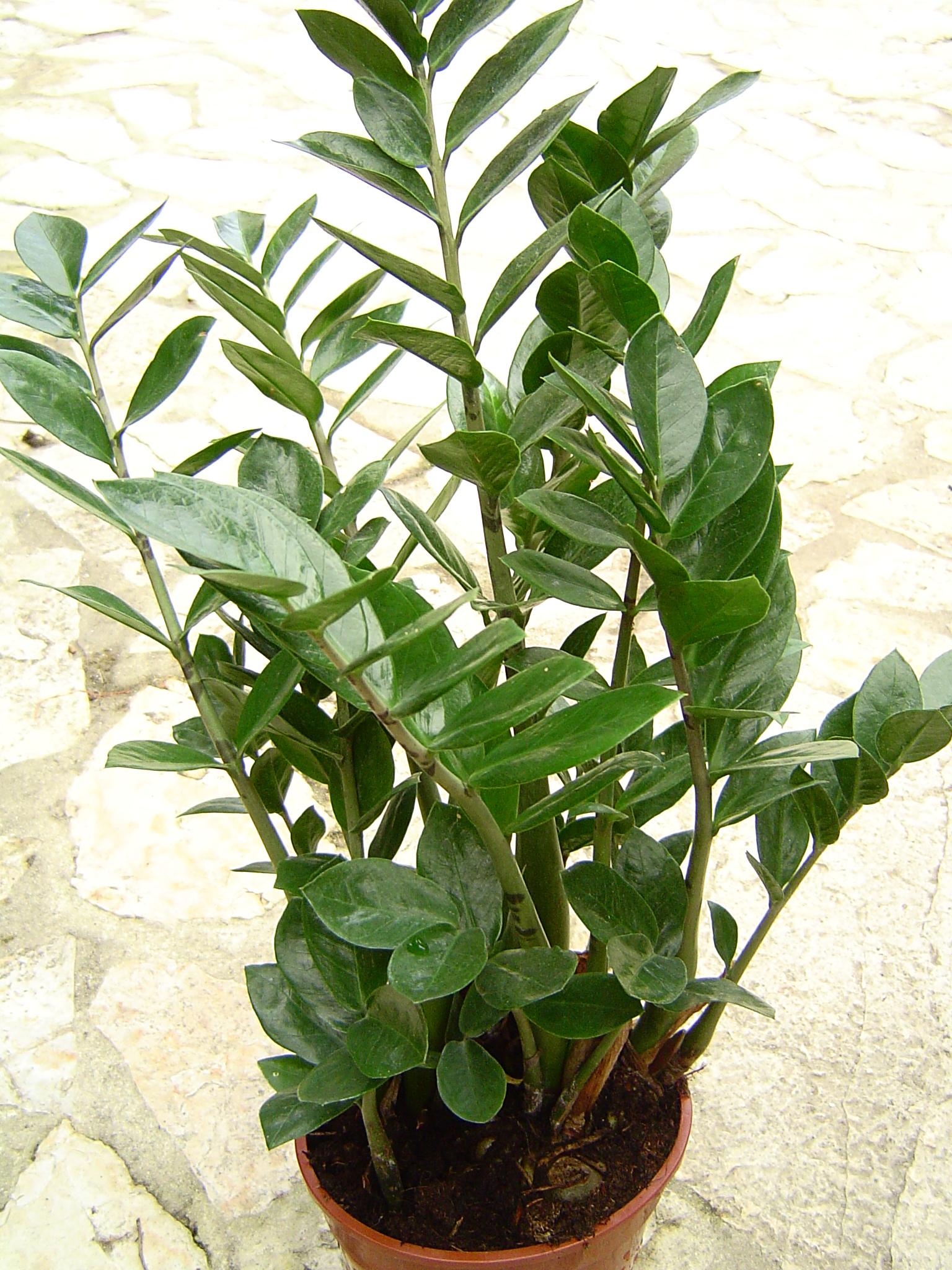
Photo: Zamioculcas zamiifolia by User:WeFt · CC BY-SA 3.0 · via Wikimedia Commons
01Two different survival strategies
Dracaena trifasciata — the snake plant, still widely sold as Sansevieria — stores water in thick upright leaves and uses CAM photosynthesis, opening its stomata at night to lose less water. That is a desert adaptation, and it is why the plant is so hard to dehydrate.
Zamioculcas zamiifolia — the ZZ plant — takes a different route: underground rhizomes the size of small potatoes, holding enough water and starch to carry the plant through months of drought. It comes from seasonally dry East African woodland, where shade is normal.
The practical consequence is that the ZZ is the more shade-adapted of the two. The snake plant tolerates shade; the ZZ evolved in it.
02Side by side
| Snake plant | ZZ plant | |
|---|---|---|
| Genuinely low light | Tolerates it, grows very slowly | Tolerates it well, keeps its gloss |
| Bright indirect light | Grows noticeably faster, better colour | Grows faster, can scorch in direct sun |
| Weeks between waterings | 3–6 in summer, 6–10 in winter | 3–4 in summer, 8–12 in winter |
| Cool rooms (below 15°C) | Handles it, keep it dry | Dislikes it — leaf drop below about 12°C |
| Dry heated air | Fine | Fine |
| Growth habit | Spreads by rhizome, fills the pot sideways | Sends up new stems from the rhizome |
| Visible warning of overwatering | Base of leaf goes soft and pale | Stems yellow from the bottom up |
| Toxic to pets | Yes | Yes |
03How each one actually dies
Both die from the same cause — water sitting in cold, dark, dense medium — but the sequence differs, and knowing which you are looking at buys you time.
A snake plant rots from the base of individual leaves. You will notice one leaf leaning oddly, and when you touch it near the soil it is soft and slightly translucent. Pull it out, and it comes free with no resistance. At that point the rhizome may still be sound: unpot it, cut away anything mushy, let the cuts callus for a day, and repot into dry gritty mix.
A ZZ plant yellows whole stems from the bottom. Because the rhizomes are so large, a ZZ can look healthy for weeks while the tubers are already rotting — by the time three stems go yellow together, unpot it immediately. Firm tubers are salvageable; anything soft or brown-ringed gets cut off.
04Where the choice actually turns
Temperature is the underrated factor. A ZZ plant in an unheated hallway that drops to 10°C in winter will start dropping leaflets and may not recover; the snake plant in the same hallway just sits there, provided it is dry.
Light quality matters at the other end. If the spot gets some real sun, the snake plant benefits and colours up, while a ZZ in direct afternoon sun develops pale scorched patches on its leaflets that never green back.
Shape is the last consideration and it is not trivial. A snake plant is a vertical fan — narrow footprint, good beside furniture. A ZZ is an arching vase shape that spreads outward as it matures, and it needs room around it.
- Cool room, some window light, narrow space — Snake plant. It is the more cold-tolerant of the two and takes up less floor.
- Warm room, no real window light, room to spread — ZZ plant. This is the situation it handles better than anything else on the market.
- You travel and will forget it entirely — Either, but the ZZ's tubers give it a longer margin. Water it well, then leave.
05The verdict
For most people the snake plant is the safer buy: it is cheaper, more cold-tolerant, easier to divide into new plants, and its failure mode is slower and more visible.
Choose the ZZ if the spot is warm and genuinely dark, or if you want something that looks deliberately glossy and sculptural. In deep shade it simply looks better for longer.
Whichever you pick, put it in a pot with drainage and a gritty mix, and resist watering it on a schedule. Neither plant is asking for attention, and both interpret attention as a threat.
Frequently asked questions
- Do snake plants really clean the air?
- Not at any rate that matters in a real room. The famous NASA study used sealed chambers; scaled to a living room you would need dozens of plants per person. Buy them because they look good and survive neglect.
- Why has my ZZ plant not grown in a year?
- In low light, that can be normal. ZZ plants push growth in flushes — several stems at once, then nothing for months. If the existing foliage is firm and glossy, it is fine.
- Can I propagate either one?
- Both, though at different speeds. Snake plant divides cleanly at the rhizome, or a leaf cutting will root in water in a few weeks. ZZ leaflets also root, but take six months or more to form a tuber — dividing the rhizome is much faster.
Lan Nguyen
Balcony grower & founding editor
Lan has kept ornamental plants on a 12 m² apartment balcony for eight years, mostly tropical foliage and small-scale bonsai. She writes the care and comparison guides here, and has killed enough plants to be specific about how.
Keep reading
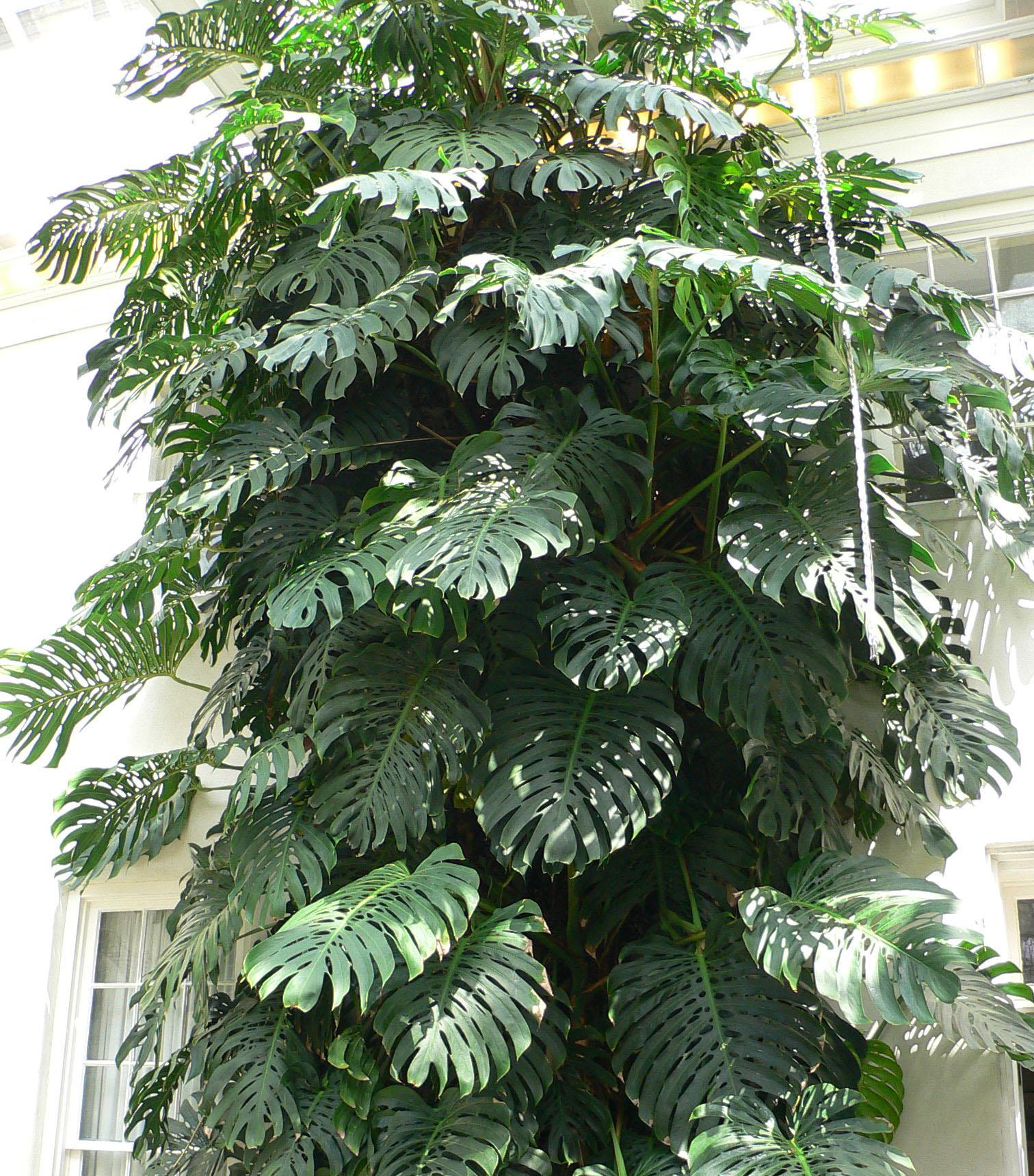
Pothos vs Monstera: The Honest Comparison
Both are climbing aroids with glossy green leaves, and in a nursery pot they look like the same plant at different sizes. The difference shows up two years later, when one has taken over a corner of the room.
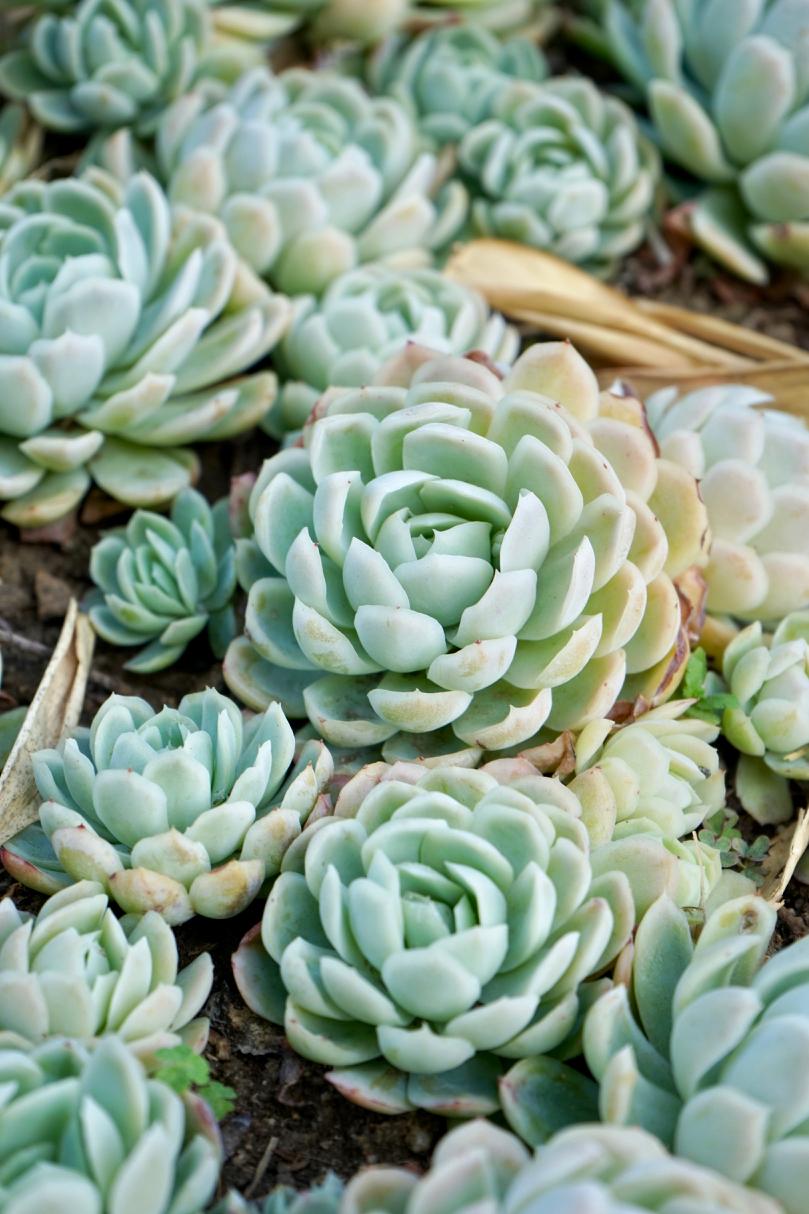
Succulents vs Cacti: Which One Actually Belongs Indoors?
They sit on the same shelf at the garden centre and get sold with the same care card, but succulents and cacti want noticeably different amounts of light. Picking wrong is why one of them is stretching.
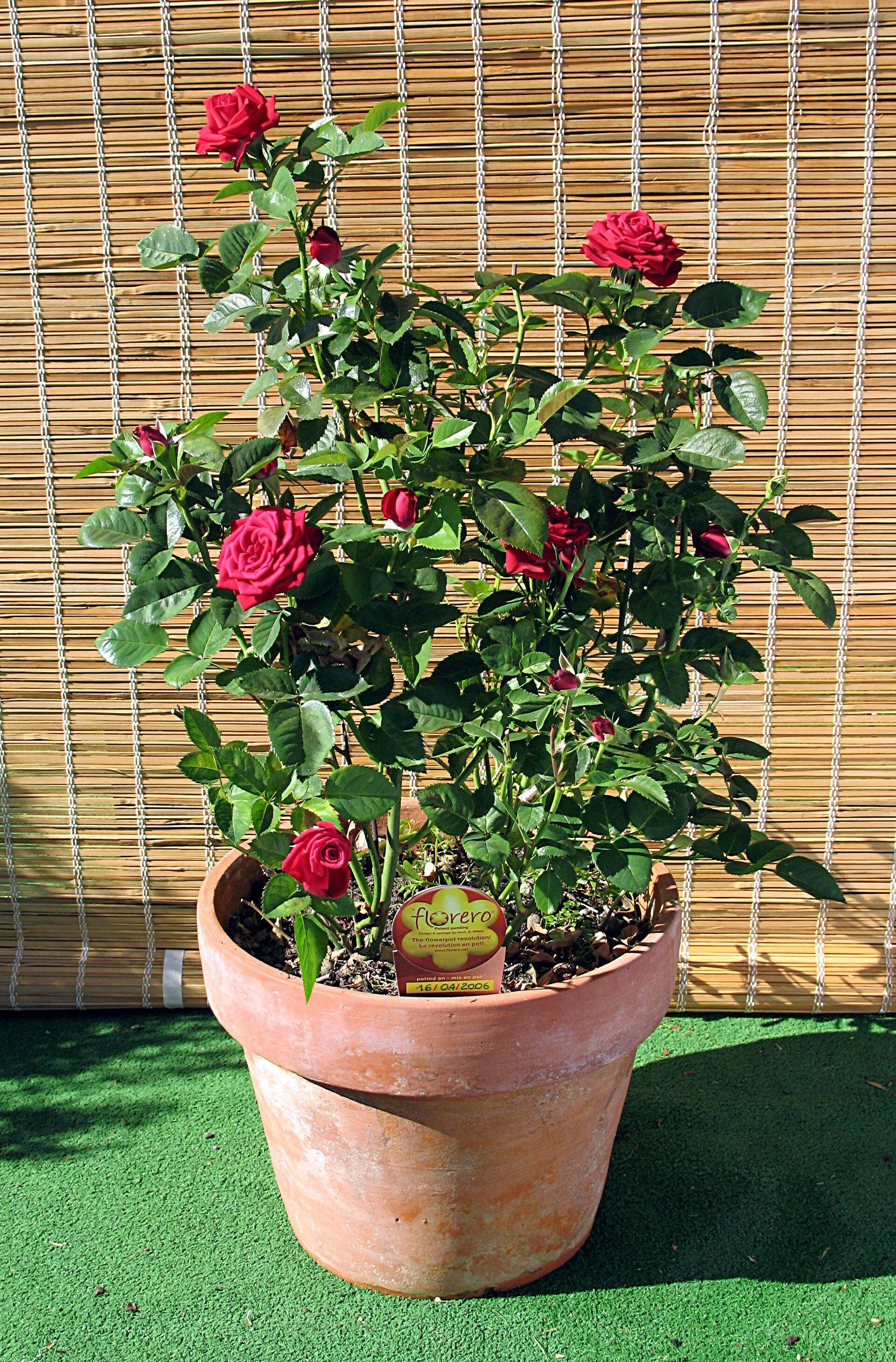
Terracotta vs Plastic Pots: Does It Really Change Anything?
Terracotta is the aesthetic default and plastic is what your plant arrived in. The difference is not decorative — it changes how fast the medium dries, which changes your entire watering routine.