Spider Plant Care and How to Turn One Into Twenty
Chlorophytum comosum is the plant most people were handed as a child, and it is still one of the best: fast, tolerant, and it hands you free plants on the end of long arching stems.
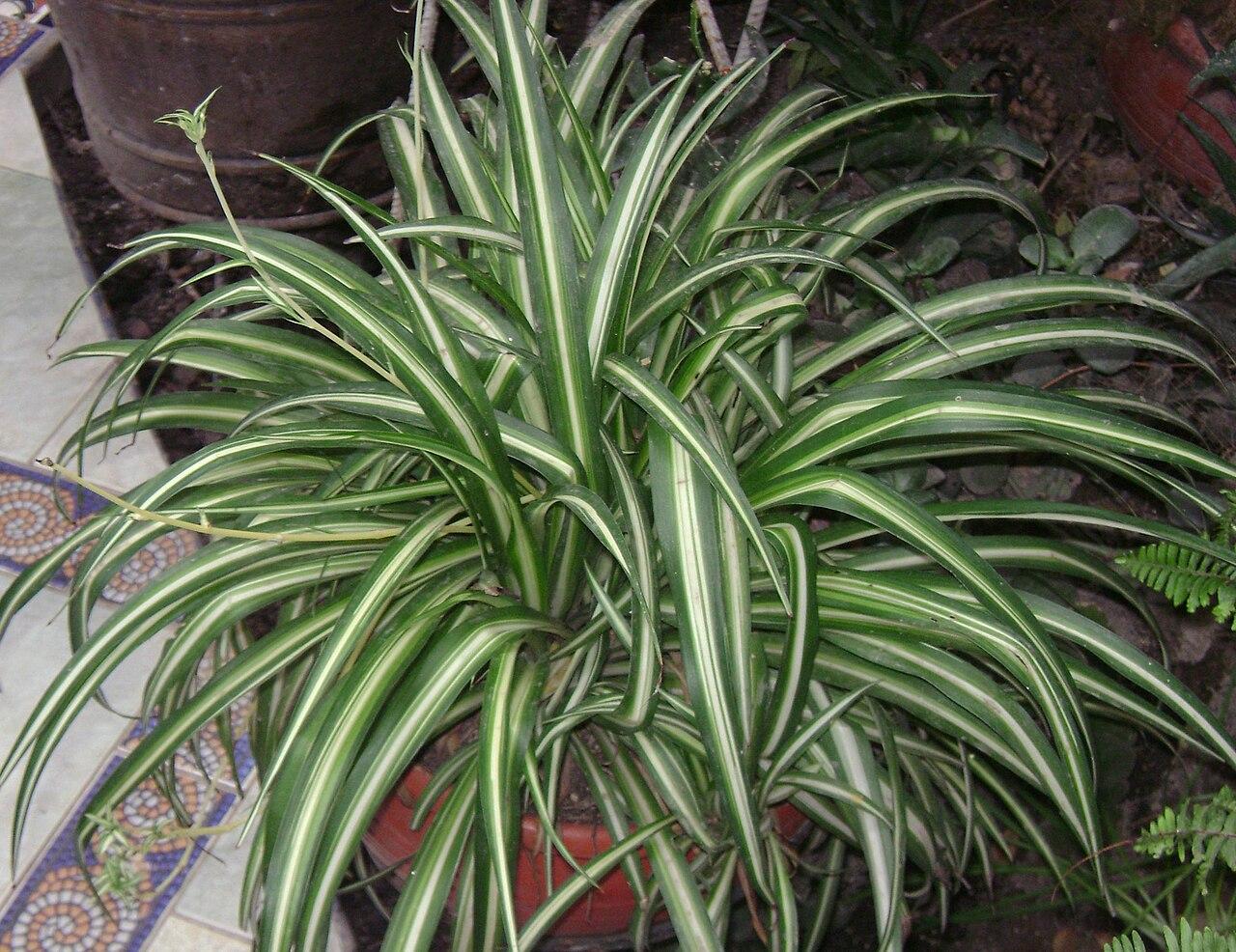
Photo: Chlorophytum comosum by Hierbabuena_0611.JPG: Dtarazona derivative work: Peter coxhead (talk) · Public domain · via Wikimedia Commons
01A plant built to be propagated
Spider plants reproduce by sending out long stolons — the arching stems people call runners — that carry small flowers followed by fully formed plantlets, each with its own emerging roots. In the wild these touch down and root where they land.
Indoors they dangle, which is why the plant looks so good on a high shelf and why it is the easiest houseplant to multiply. Each plantlet is a complete clone that will root within a fortnight.
A plant that produces no plantlets is nearly always either too young, in light that is too low, or being repotted too generously — a slightly snug pot encourages runners.
02Everyday care
This is a genuinely easy plant, and the care list is short.
- Light — Bright indirect. It tolerates lower light but stops producing runners, and variegated forms lose contrast. Direct midday sun scorches the leaves.
- Water — Water when the top 2–3 cm are dry, roughly weekly in summer and every 10–14 days in winter. The fleshy roots buffer occasional neglect well.
- Temperature — Comfortable anywhere between 13 and 27°C. It handles cooler rooms than most tropical foliage plants.
- Feeding — Half strength monthly in spring and summer. Overfeeding is a common cause of brown tips — it is not a hungry plant.
- Pot — Repot every two to three years. It flowers and runs better slightly pot-bound; only move up when roots are pushing the plant out of the pot.
03Brown tips: the one recurring complaint
Almost every spider plant develops brown leaf tips eventually, and almost every guide blames humidity. That is usually wrong.
Spider plants are unusually sensitive to fluoride, and to a lesser degree chlorine, both routinely present in municipal tap water. The plant transports these to the leaf tips where they accumulate and kill the tissue. The result is a narrow dry brown tip, often with a thin yellow band behind it.
The fix is water quality: use filtered water, rainwater, or tap water left uncovered overnight to let chlorine dissipate — though note that this does nothing for fluoride, so a filter is the more reliable answer. The second most common cause is fertiliser salt accumulation, fixed by flushing the pot thoroughly with plain water every few months.
04Propagation, three ways
All three work. The choice is about how much you care about speed versus reliability.
| Method | How | Time to roots | Notes |
|---|---|---|---|
| Water rooting | Cut a plantlet off, sit the base in a glass of water | 7–14 days | Easiest to monitor; roots are slightly brittle when moved to soil |
| Direct to soil | Cut and pot into damp mix, keep it lightly moist | 2–3 weeks | Stronger roots, but you cannot see progress |
| Layering (attached) | Pin the plantlet into a nearby pot while still on the runner | 2–3 weeks | Highest success rate — the parent supports it until it roots |
05Getting a full pot rather than a thin one
A single rooted plantlet takes a long time to look like a real plant. Put three to five plantlets in one pot instead, spaced evenly — they fill out in a season and the result is far denser than one plant in the middle.
Once rooted, treat them exactly like an adult. Do not baby them in a smaller pot for months; spider plants grow fast and will take a 12–14 cm pot straight away.
Cut spent runners back to the base once you have taken what you want. Leaving them costs the parent plant energy that goes into foliage instead.
Frequently asked questions
- Are spider plants safe for cats?
- They are non-toxic, which is why they are a common recommendation for pet households. Cats are often drawn to chewing the leaves; it is harmless but hard on the plant, so hang it high.
- Why are my plant's leaves pale and washed out?
- Usually too much direct sun. Move it back from the window. If the light is fine, check for spider mites on the leaf undersides — the stippled fading looks similar.
- What are the thick white roots?
- Water-storing tubers, and completely normal. They can push the plant up out of the pot as it matures, which is your cue to divide or repot.
Marcus Hale
Contributor — soil & propagation
Marcus spent six years in a wholesale nursery mixing media by the cubic metre before moving to container growing at home. He covers potting mixes, repotting and the unglamorous half of plant care.
Keep reading
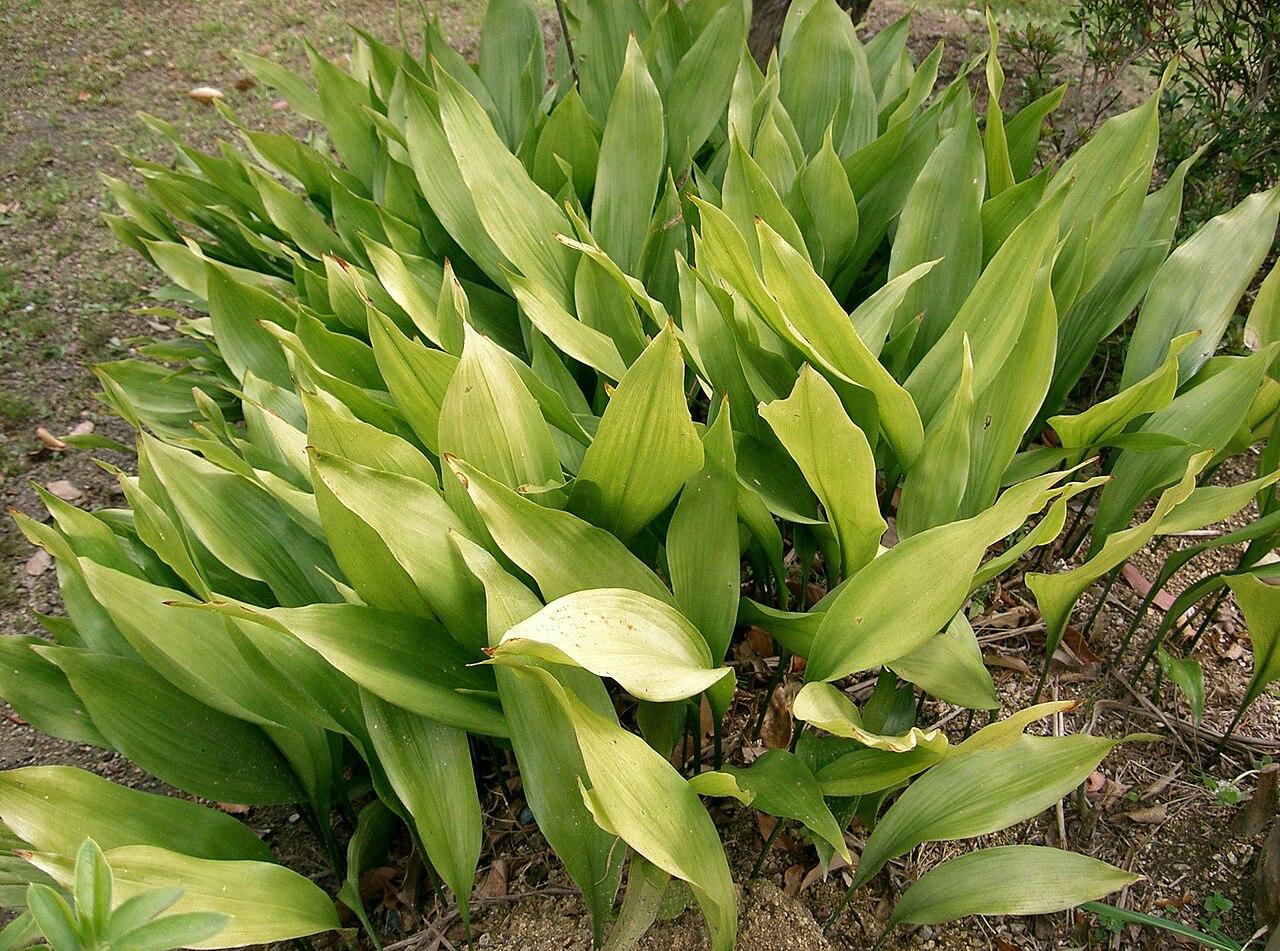
Nine Indoor Plants That Genuinely Tolerate Low Light
Most 'low light' lists are wishful thinking — half the plants on them need a bright window to look like the photo. These nine actually hold up a few metres from the glass.
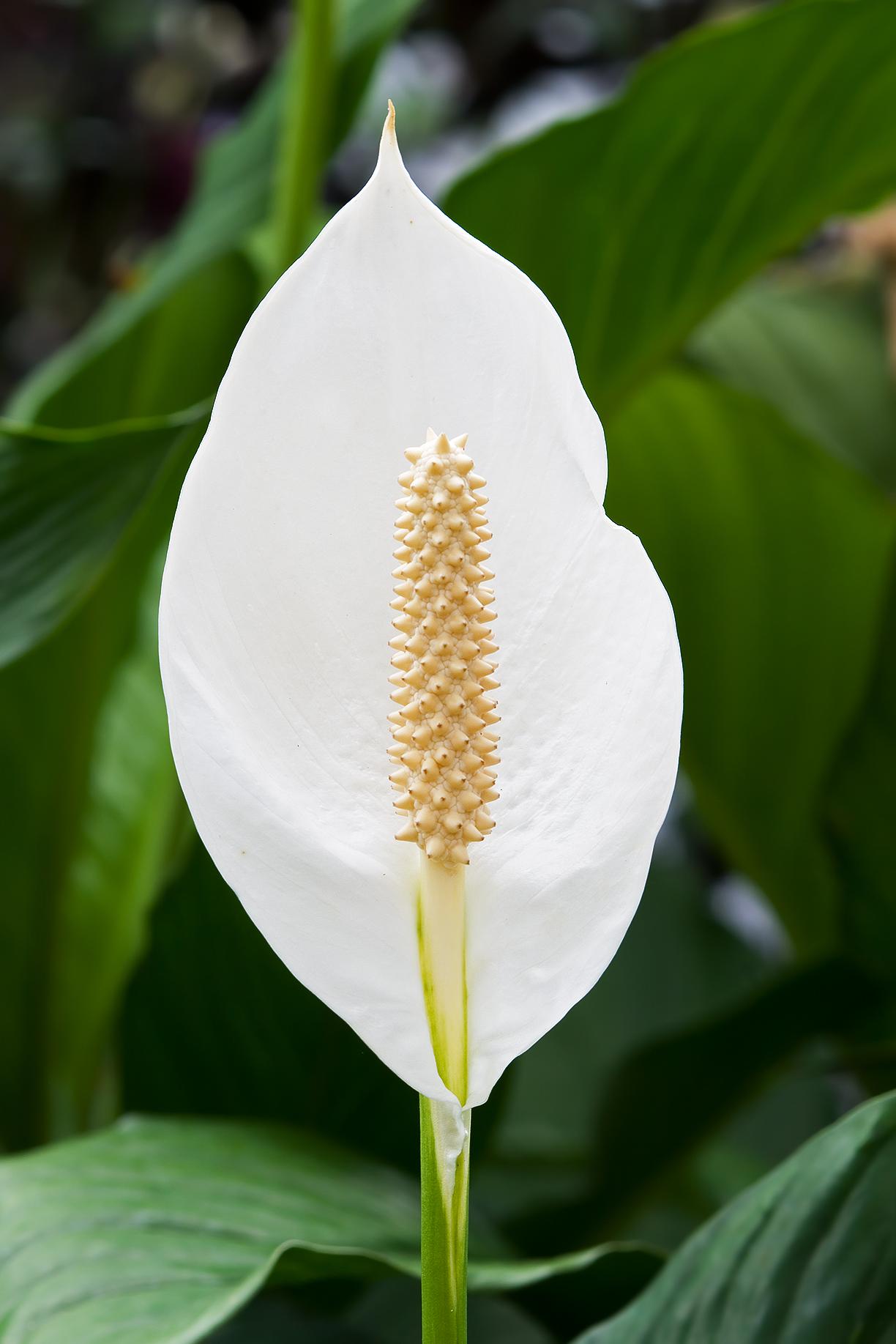
Peace Lily Care: The Plant That Tells You When It's Thirsty
Spathiphyllum droops theatrically the moment it runs low on water and perks back up within hours. That feedback loop makes it the best teaching plant there is — as long as you don't take the drooping as a schedule.
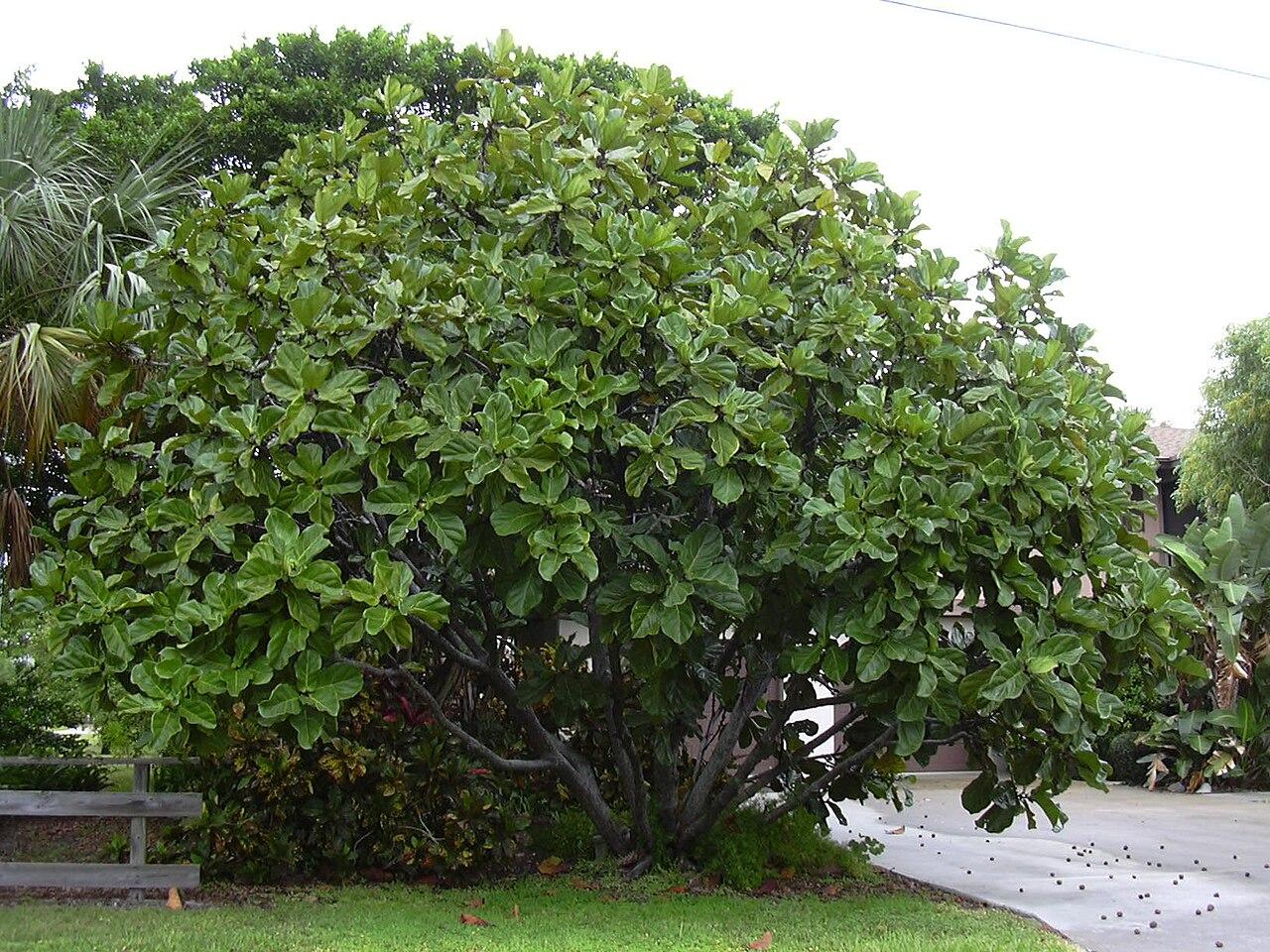
Fiddle Leaf Fig Care Without the Drama
Ficus lyrata has a reputation for being temperamental. It isn't, particularly — it just hates being moved and shows every mistake on leaves that stay on the plant for years.