Nine Indoor Plants That Genuinely Tolerate Low Light
Most 'low light' lists are wishful thinking — half the plants on them need a bright window to look like the photo. These nine actually hold up a few metres from the glass.
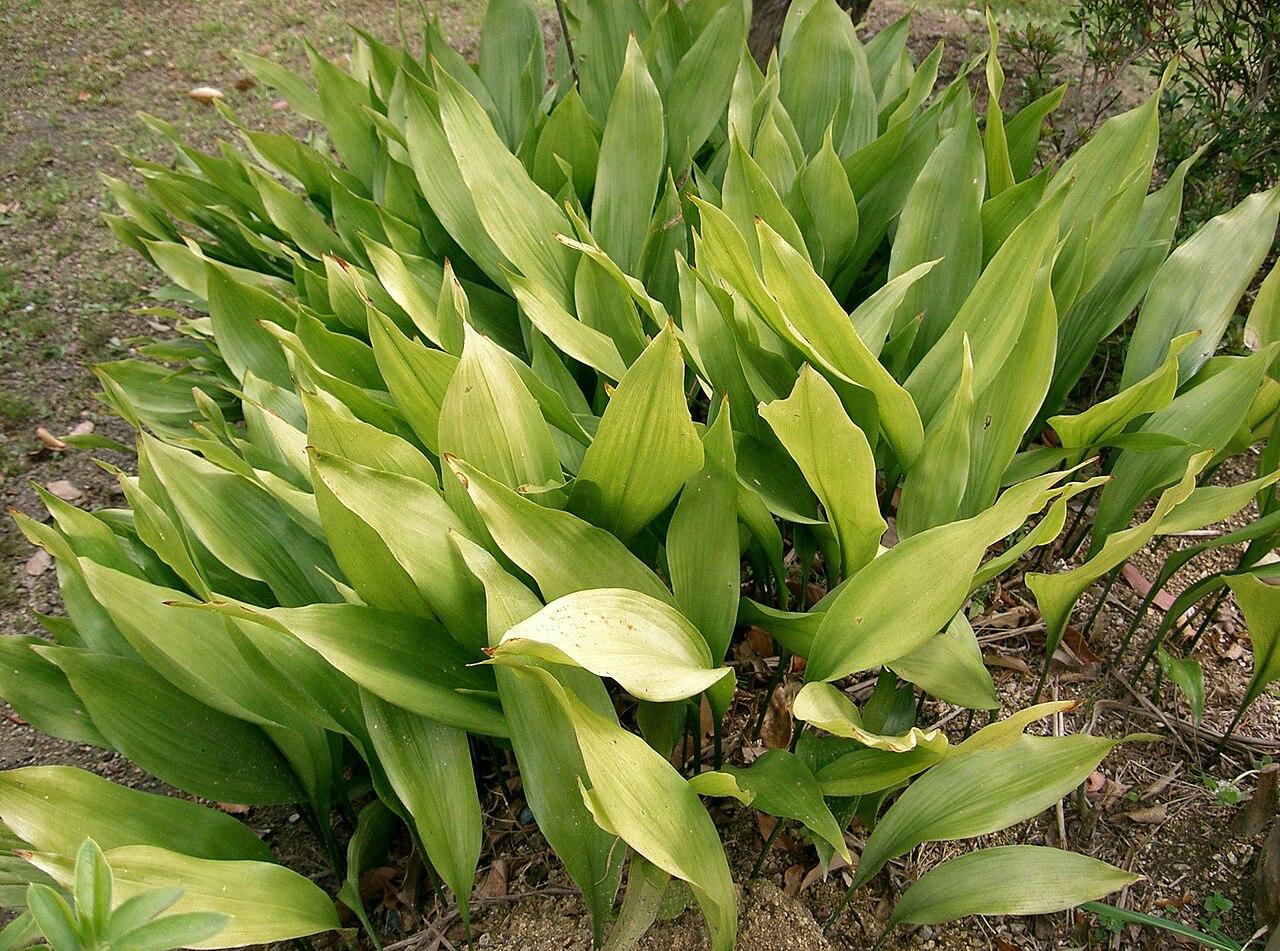
Photo: Aspidistra elatior by KENPEI · CC BY-SA 3.0 · via Wikimedia Commons
01What 'low light' actually means
Nurseries use the term loosely, and the gap between marketing and reality is why so many people conclude they have a black thumb. Low light indoors means a spot where you could read a book comfortably during the day without switching on a lamp, but where you cannot see a defined shadow at midday.
That is a real growing condition and plenty of understory species handle it. What it is not is a windowless bathroom or an interior hallway lit only by a ceiling fitting — no houseplant sustains itself there without supplementary light.
The key adjustment is water. In low light, a plant photosynthesises slowly, uses very little water, and the medium stays wet far longer. Nearly every plant that dies in a dim corner dies of root rot, not of darkness.
02The three that genuinely thrive
These handle real shade over years, not months, and still look like themselves.
- Cast iron plant (Aspidistra elatior) — Named for its indestructibility and it earns it. Deep shade, cold hallways, irregular watering — it keeps its broad dark leaves through all of it. Extremely slow: expect two or three new leaves a year. Never put it in direct sun, which bleaches the foliage permanently.
- ZZ plant (Zamioculcas zamiifolia) — Underground tubers give it a long drought reserve and it keeps its glossy finish in dim rooms. Water every 8–12 weeks in a dark spot in winter. Wants warmth — it sulks below about 12°C.
- Pothos (Epipremnum aureum) — The most forgiving trailer there is. Variegated forms lose most of their cream marking in shade, so buy a plain green 'Jade' cultivar for dark spots and save the marbled ones for brighter shelves.
03Six more that hold up well
These need slightly more light than the first three — think a few metres from a window rather than across the room — but they are still far more shade-tolerant than average.
- Snake plant (Dracaena trifasciata) — Survives shade easily, though growth effectively stops. Better in cool rooms than the ZZ. Keep it very dry in winter.
- Peace lily (Spathiphyllum) — The most tolerant flowering option, though it flowers only in medium light. Its great advantage is that it wilts dramatically when thirsty and recovers within hours — it tells you exactly what it needs.
- Chinese evergreen (Aglaonema) — The dark green cultivars handle shade well; pink and red ones need considerably more light to keep their colour. Dislikes cold draughts.
- Heartleaf philodendron (Philodendron hederaceum) — Similar to pothos but slightly softer-leaved and a little more tolerant of dry air. Trails or climbs equally well.
- Spider plant (Chlorophytum comosum) — Tolerates shade, but produces far fewer of the plantlets it is grown for. Sensitive to fluoride and chlorine — brown tips usually mean tap water, not light.
- Parlour palm (Chamaedorea elegans) — A genuine understory palm and the most shade-tolerant palm sold. Watch for spider mites, which take hold quickly on it in dry heated rooms.
04How to keep them alive once they are in place
Rotate each pot a quarter turn every couple of weeks. In low light plants lean hard toward the source, and rotation is the difference between a balanced plant and a one-sided one.
Keep the leaves clean. Dust on a leaf in a bright room is cosmetic; dust on a leaf in a dim room measurably reduces the light reaching it. Wipe broad-leaved plants with a damp cloth monthly.
Feed sparingly — quarter to half strength, and only during the growing season. A plant that is barely growing cannot use a full dose, and the surplus accumulates as salts in the medium.
Use a smaller pot than you would elsewhere. Excess medium in a dim corner is a reservoir that never dries, and it is the fastest route to rot.
| Plant | Bright spot | Low-light spot |
|---|---|---|
| ZZ plant | 3–4 weeks | 8–12 weeks |
| Snake plant | 3–4 weeks | 6–10 weeks |
| Cast iron plant | 2–3 weeks | 4–6 weeks |
| Pothos | 7–10 days | 2–3 weeks |
| Peace lily | 5–7 days | 10–14 days |
05When a plant is telling you the corner is too dark
Stretched, elongated stems with wide gaps between leaves means the plant is reaching. Small new leaves that never reach the size of the old ones means the same thing.
Steady leaf drop from the bottom, with no other symptom, is a plant shedding foliage it can no longer afford to keep lit. That is a light problem and no amount of feeding fixes it.
The cheap fix is a grow light. A simple 10–15 W LED on a timer for eight hours a day transforms a dark corner, and modern fittings look like ordinary lamps. It is far more effective than swapping to yet another species.
Frequently asked questions
- Can any flowering plant handle low light?
- Peace lily is the practical answer, though it blooms sparsely below medium light. Anthurium is possible in medium light. Anything reliably flowering needs a window.
- Do artificial room lights count?
- Ordinary ceiling and lamp bulbs deliver almost nothing usable — they are bright to your eye but the intensity a plant needs is an order of magnitude higher. A dedicated grow light does count, and does not need to be pink.
- My low-light plant is dying anyway. What now?
- Check the roots before anything else. In dim conditions the overwhelming majority of failures are rot from a medium that never dried, not the light level itself.
Lan Nguyen
Balcony grower & founding editor
Lan has kept ornamental plants on a 12 m² apartment balcony for eight years, mostly tropical foliage and small-scale bonsai. She writes the care and comparison guides here, and has killed enough plants to be specific about how.
Keep reading
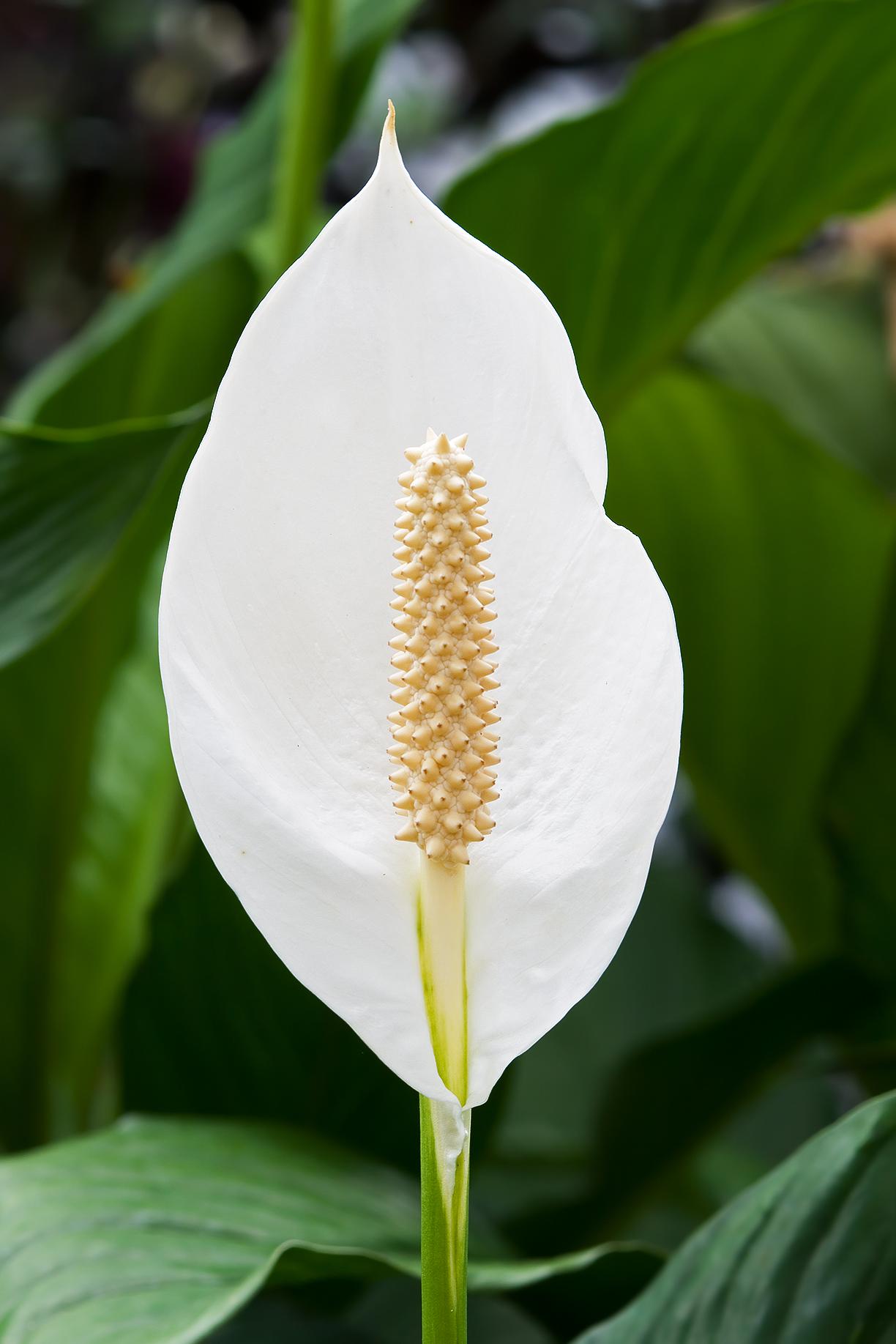
Peace Lily Care: The Plant That Tells You When It's Thirsty
Spathiphyllum droops theatrically the moment it runs low on water and perks back up within hours. That feedback loop makes it the best teaching plant there is — as long as you don't take the drooping as a schedule.
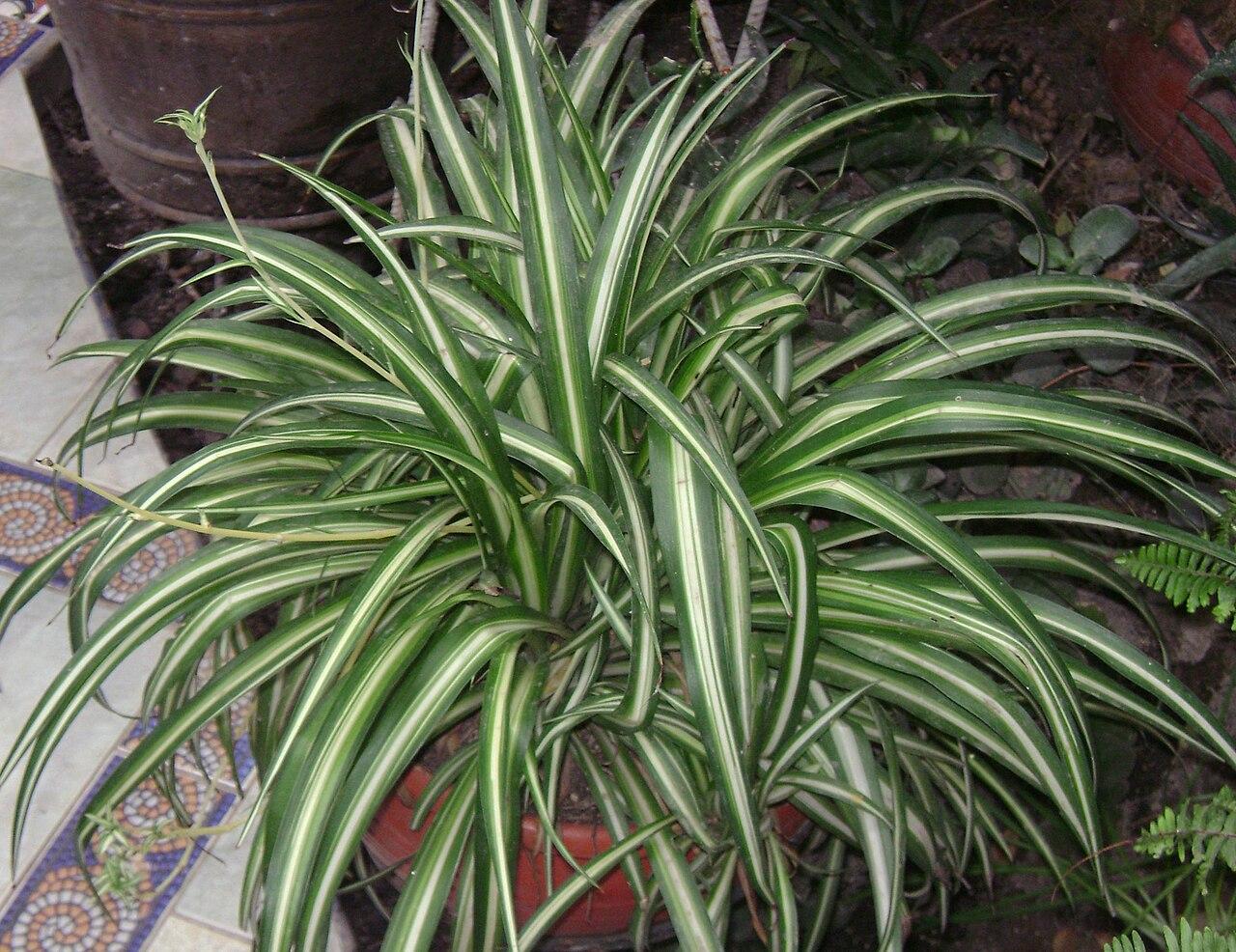
Spider Plant Care and How to Turn One Into Twenty
Chlorophytum comosum is the plant most people were handed as a child, and it is still one of the best: fast, tolerant, and it hands you free plants on the end of long arching stems.
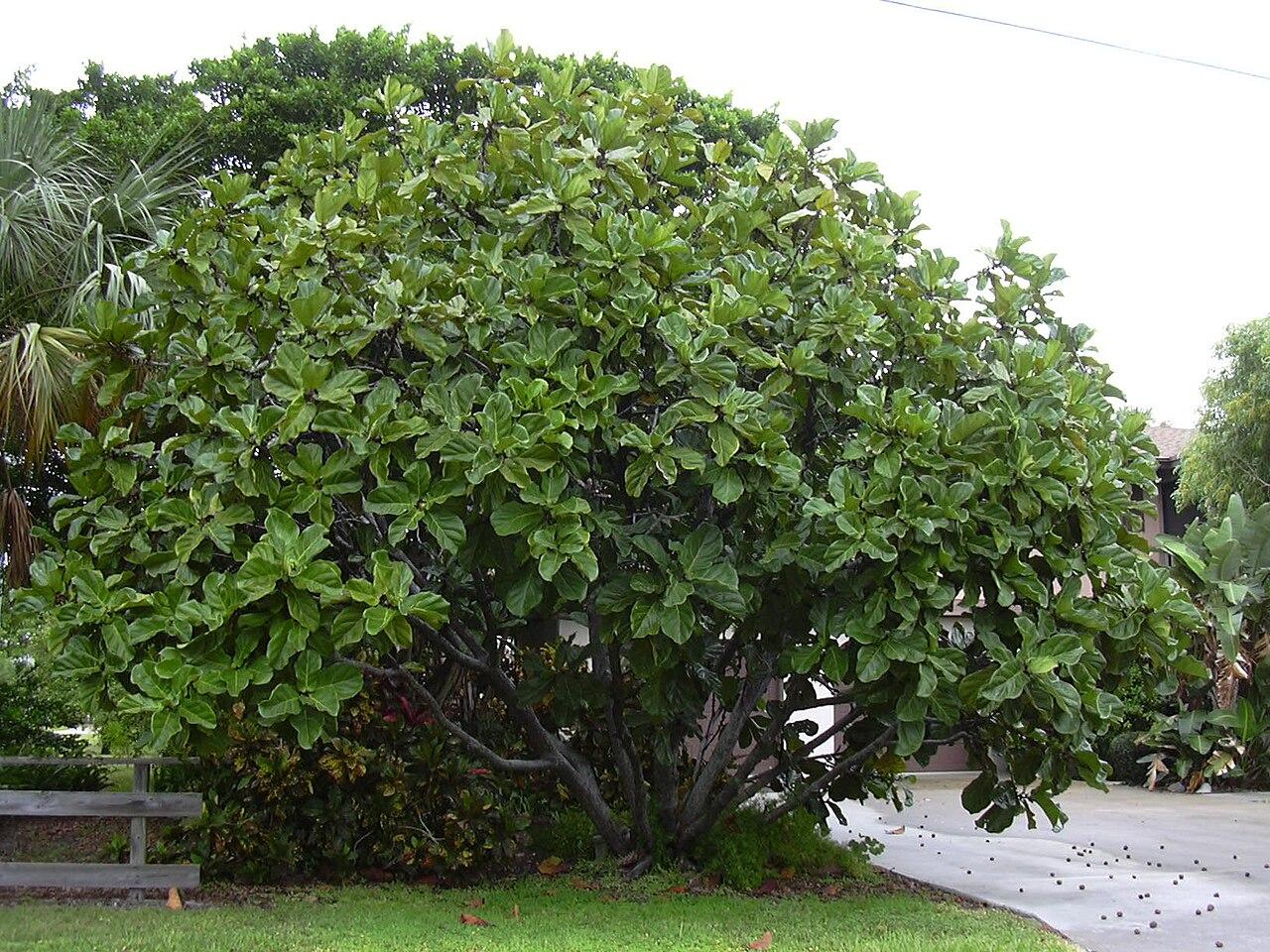
Fiddle Leaf Fig Care Without the Drama
Ficus lyrata has a reputation for being temperamental. It isn't, particularly — it just hates being moved and shows every mistake on leaves that stay on the plant for years.