Fiddle Leaf Fig Care Without the Drama
Ficus lyrata has a reputation for being temperamental. It isn't, particularly — it just hates being moved and shows every mistake on leaves that stay on the plant for years.
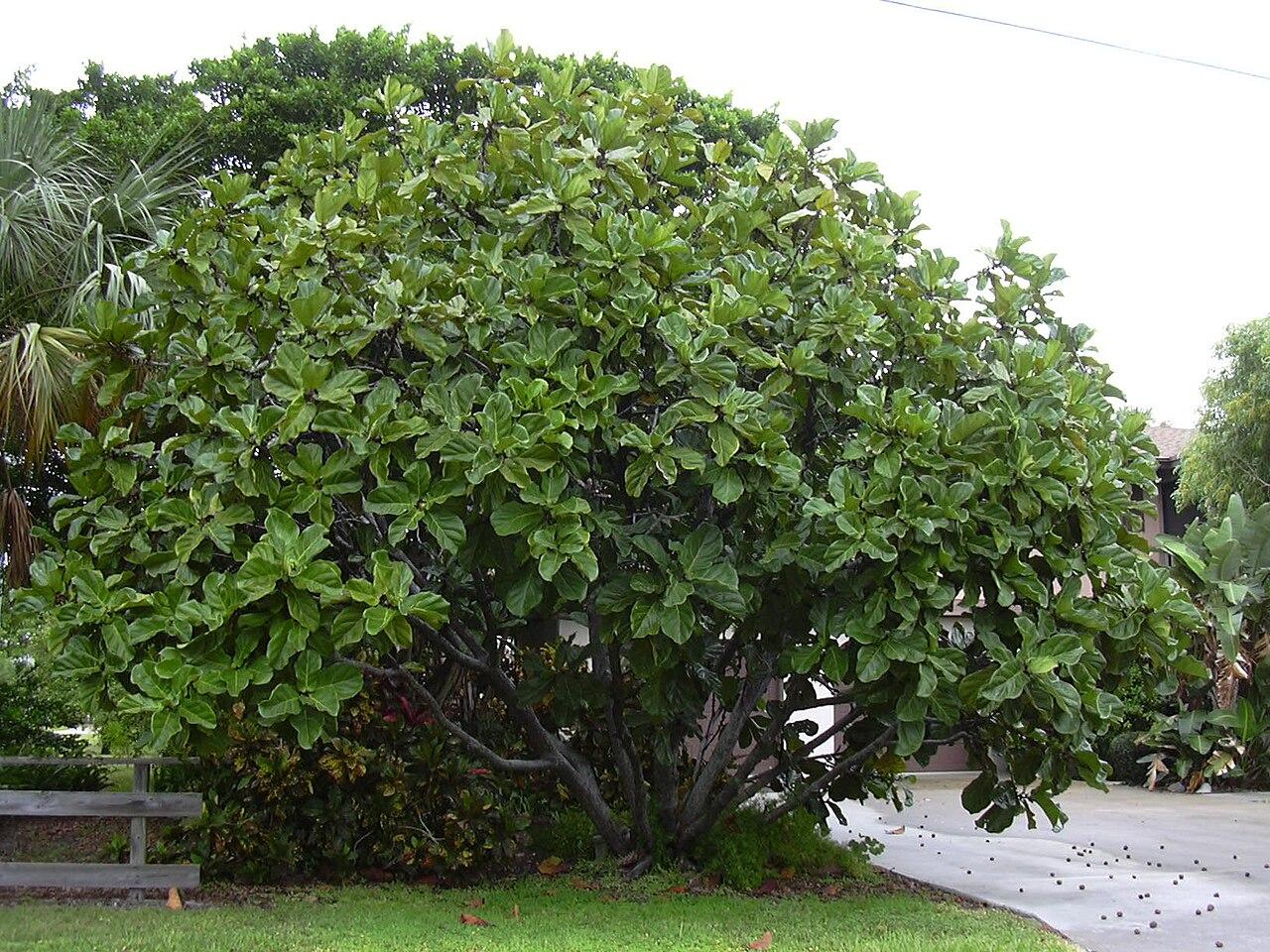
Photo: Ficus lyrata by Forest & Kim Starr · CC BY 3.0 · via Wikimedia Commons
01Why it has the reputation
Two things make the fiddle leaf fig feel harder than it is. First, its leaves are large, glossy and long-lived, so any blemish stays visible for years — a pothos hides its history by dropping leaves, a ficus displays it.
Second, it genuinely dislikes change. Ficus species acclimate their leaves to a particular light level, and when you move a plant from a bright greenhouse to a living room, it drops leaves while it recalibrates. That looks like a crisis and is usually just adjustment.
Neither of these is fussiness. Give it the right light, water it consistently, and leave it alone, and it is a straightforward plant.
02Light: this is the whole game
Fiddle leaf figs want more light than people expect. In their native West African rainforest they grow into canopy trees; the specimens sold as houseplants come from bright nursery conditions.
The target is a position within a metre of a large window with several hours of bright light, ideally including some gentle direct sun in the morning. An unobstructed east-facing window is close to ideal. A south or west window works if you filter the harshest afternoon hours.
Signs it is under-lit: new leaves smaller than old ones, long bare stretches of stem between leaves, and steady leaf drop from the bottom with no obvious spotting. Signs it has too much direct sun: bleached pale patches and dry brown edges on the leaves facing the glass.
03Watering without guessing
The goal is a consistent moderate rhythm: thoroughly wet, then allowed to dry down about halfway before the next watering. Both extremes cause the same visible result — brown patches — which is why people misdiagnose so often.
Water until it runs from the drainage hole, then empty the saucer. In an average bright room a 25 cm pot needs this every 7–10 days in summer and every 2–3 weeks in winter, but check rather than count.
Push a wooden skewer to the bottom of the pot and leave it for a minute. Damp and darkened means wait. Dry and clean means water. This costs nothing and is more reliable than any moisture meter.
| What it looks like | Where it starts | Cause |
|---|---|---|
| Dark brown to black, spreading, sometimes with a yellow halo | Leaf centre or base, lower leaves first | Root rot from overwatering |
| Light tan, dry and crisp | Leaf edges and tips | Underwatering, or dry heated air |
| Pale bleached patches | The side facing the window | Sunburn from unfiltered direct sun |
| Small reddish speckles on new leaves | Anywhere on new growth | Oedema — harmless, from rapid water uptake |
| Sticky leaves with fine webbing | Undersides, leaf axils | Spider mites |
04Pruning, shaping and the bare-stem problem
Most fiddle leaf figs sold are single unbranched stems. Left alone they keep growing straight up until they hit the ceiling, shedding lower leaves as they go.
To branch one, cut the top off. Remove the growing tip with a clean cut just above a leaf node in spring or early summer, and the plant responds by pushing two or three new shoots from the buds below. It feels drastic and it is the correct move.
Notching is the gentler alternative: cut a shallow wedge about a third of the way into the stem just above a node, which interrupts the hormone flow suppressing that bud and often triggers a branch without removing height.
Wear gloves. Cut ficus stems bleed a white latex sap that irritates skin and stains fabric.
- When to prune — Spring to early summer, when the plant has the light and energy to respond. Pruning in midwinter often produces nothing until spring anyway.
- How much — No more than a third of the plant's height at once. Always cut just above a node — a stub above the cut will die back.
- What to do with the top — It roots. Put the cut end in water, change it weekly, and expect roots in four to eight weeks; then pot it into a well-draining mix.
05Feeding and repotting
Feed monthly through spring and summer with a balanced liquid fertiliser at half strength. Fiddle leaf figs are reasonably hungry when growing well, but a plant in poor light cannot use fertiliser and will accumulate salts instead.
Repot every two to three years, in spring, going up one pot size only. Use a chunky mix — a standard potting compost loosened with about 30% orchid bark and perlite — because dense compost in a large pot around a ficus is a reliable route to root rot.
For a large specimen that is too heavy to repot, top-dress instead: scrape off the top 5 cm of medium and replace it with fresh mix each spring.
Frequently asked questions
- Why is my fiddle leaf fig dropping leaves after I brought it home?
- Acclimation. It is adjusting from nursery light to your light. Put it in its permanent bright spot, water consistently, and stop intervening — new growth within six to eight weeks means it has settled.
- Will damaged leaves recover?
- No. Brown patches and holes are permanent. Remove a leaf only if it is more than half damaged or clearly dead; otherwise leave it, since it still photosynthesises.
- Should I wipe the leaves?
- Yes, monthly with a damp cloth. Large glossy leaves collect dust quickly, and it measurably reduces the light they capture. Leaf shine products clog stomata — plain water is better.
Lan Nguyen
Balcony grower & founding editor
Lan has kept ornamental plants on a 12 m² apartment balcony for eight years, mostly tropical foliage and small-scale bonsai. She writes the care and comparison guides here, and has killed enough plants to be specific about how.
Keep reading
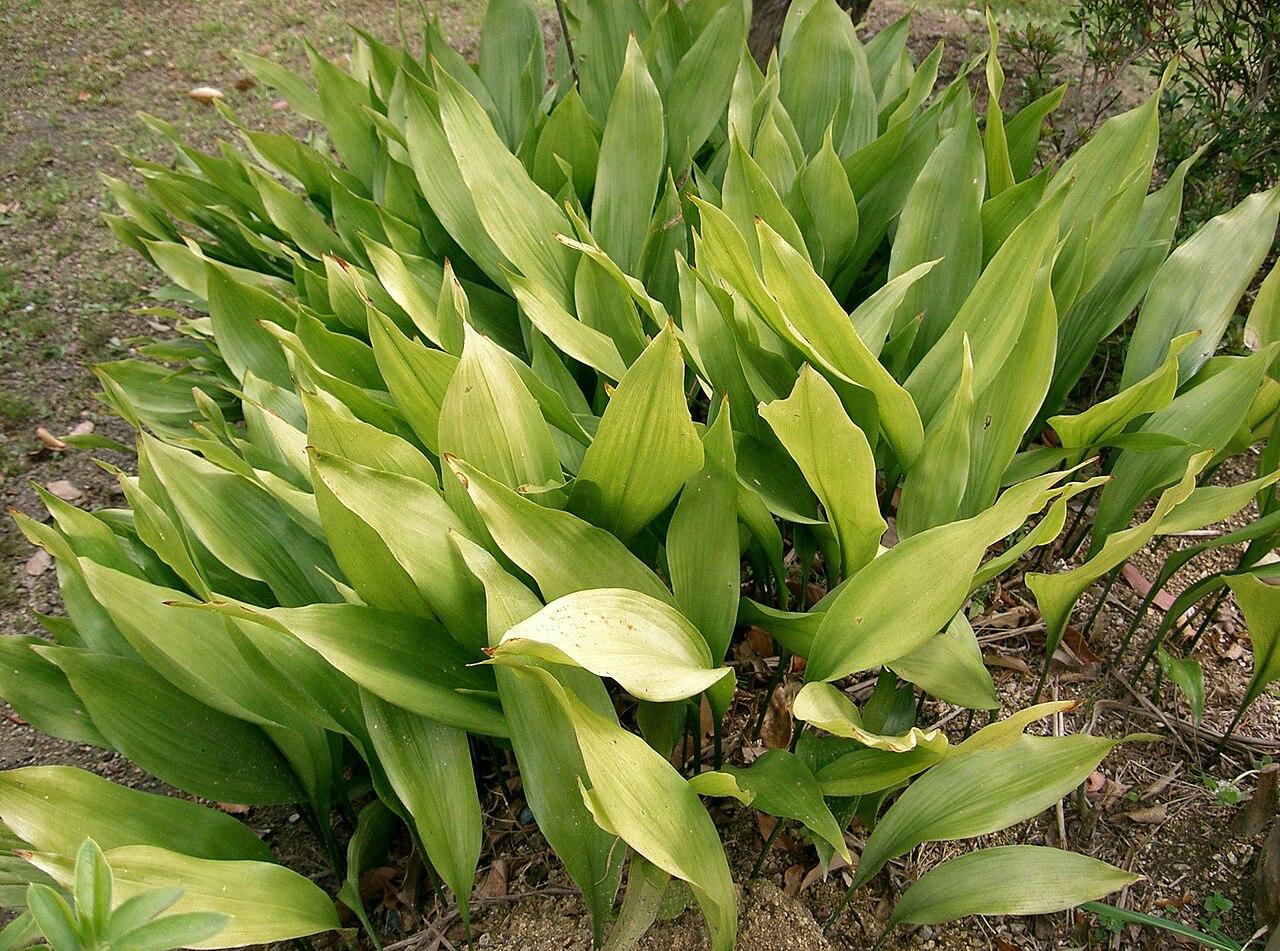
Nine Indoor Plants That Genuinely Tolerate Low Light
Most 'low light' lists are wishful thinking — half the plants on them need a bright window to look like the photo. These nine actually hold up a few metres from the glass.
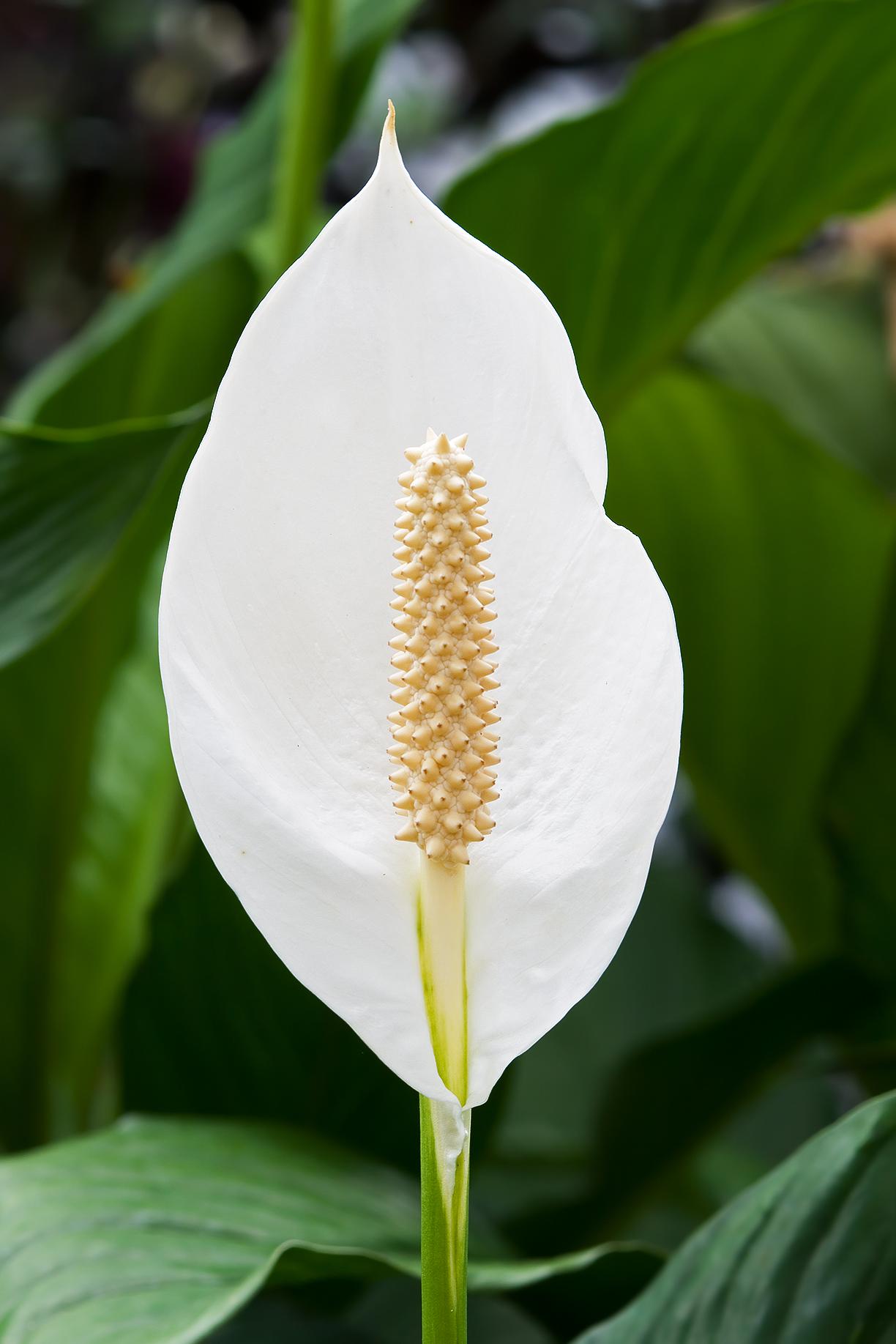
Peace Lily Care: The Plant That Tells You When It's Thirsty
Spathiphyllum droops theatrically the moment it runs low on water and perks back up within hours. That feedback loop makes it the best teaching plant there is — as long as you don't take the drooping as a schedule.
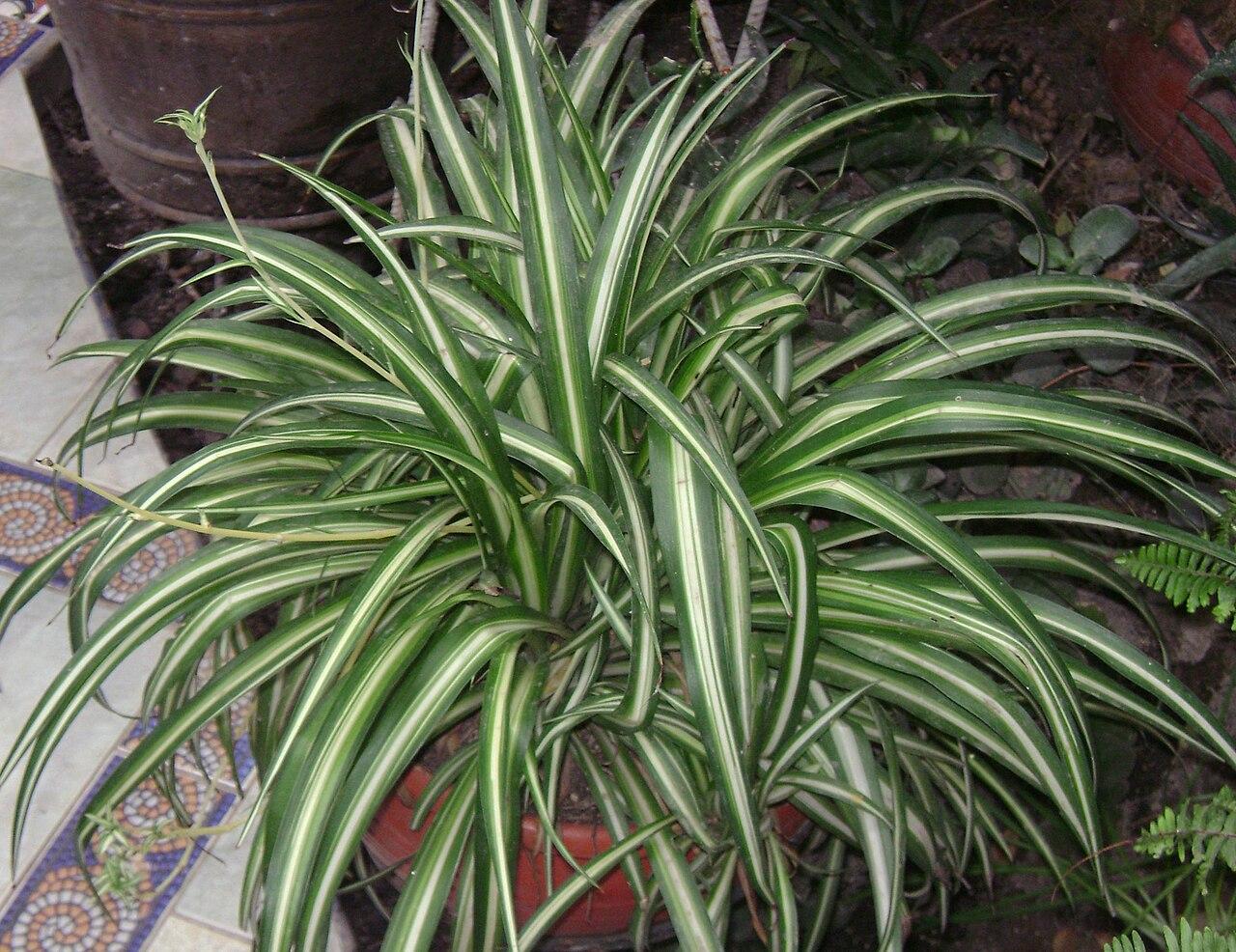
Spider Plant Care and How to Turn One Into Twenty
Chlorophytum comosum is the plant most people were handed as a child, and it is still one of the best: fast, tolerant, and it hands you free plants on the end of long arching stems.