Peace Lily Care: The Plant That Tells You When It's Thirsty
Spathiphyllum droops theatrically the moment it runs low on water and perks back up within hours. That feedback loop makes it the best teaching plant there is — as long as you don't take the drooping as a schedule.
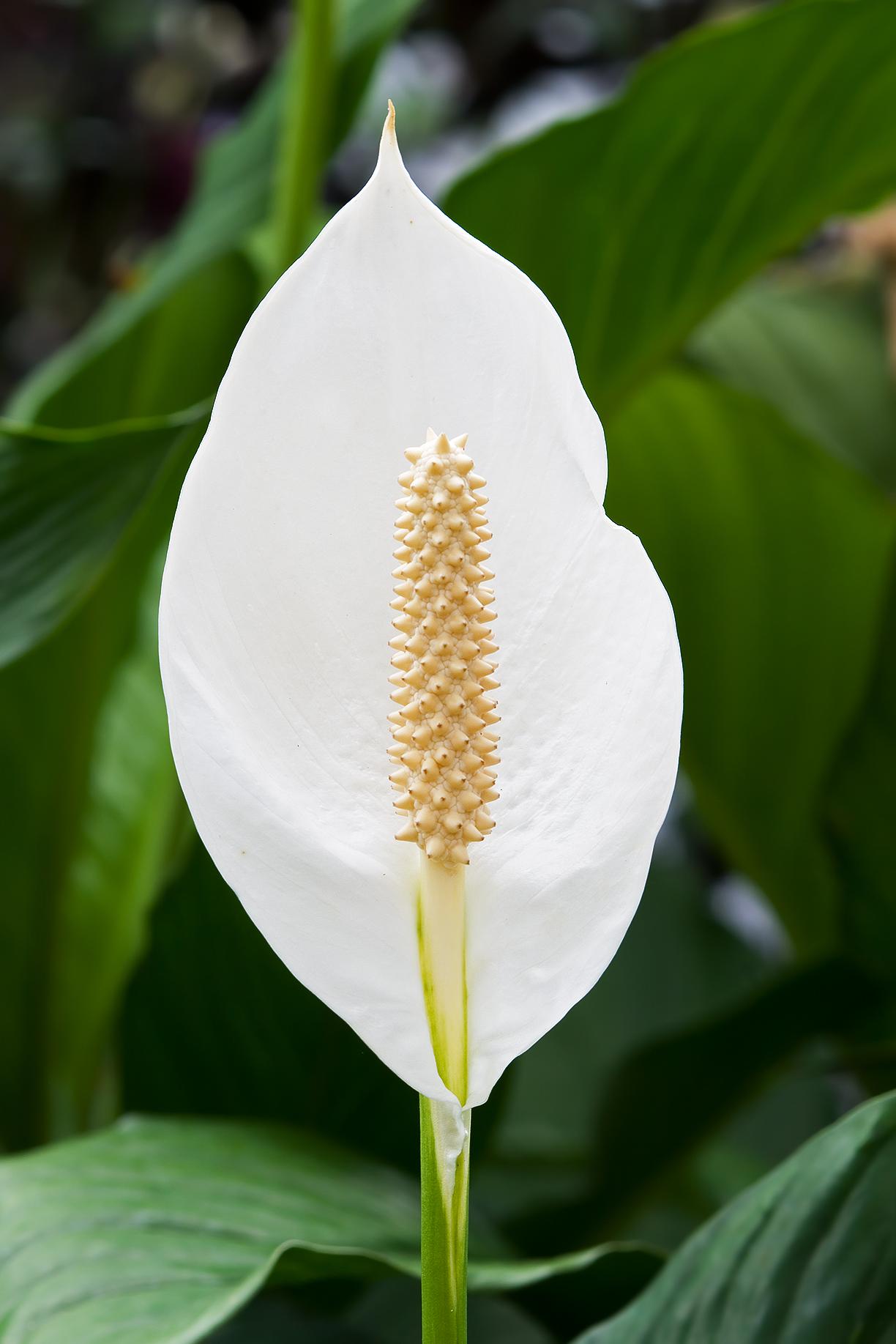
Photo: Spathiphyllum by JJ Harrison (https://www.jjharrison.com.au/) · CC BY-SA 3.0 · via Wikimedia Commons
01What it is, and where it comes from
Spathiphyllum species are understory aroids from tropical Central and South America, growing in the dappled shade of forest floors where moisture is reliable and light is filtered. Every part of its behaviour indoors traces back to that.
The white 'flower' is not a flower. It is a spathe — a modified leaf — wrapped around the spadix, the small textured column that carries the actual flowers. The spathe stays presentable for weeks, which is why the plant is sold in bloom.
As a spathe ages it fades to pale green and then brown. Cut the stalk right down at the base rather than trimming the spathe off, or you leave a stub that dies back untidily.
02Light: the difference between alive and blooming
A peace lily will survive in low light for years. It simply will not flower there, and people often conclude their plant is defective when it is only under-lit.
For reliable blooming, put it where it gets bright indirect light for most of the day — a metre or so back from an east window, or beside a north-facing one. Direct midday sun scorches the leaves into pale dry patches within days.
If yours has not flowered in a year and the foliage looks healthy, move it brighter before you reach for fertiliser. Light is almost always the limiting factor.
03Water: use the droop, don't rely on it
The peace lily's dramatic collapse is genuinely useful — it is unambiguous, and the plant recovers fully within two to four hours of a thorough watering. For a beginner learning what 'thirsty' feels like in a pot, this is invaluable.
But repeatedly wilting a plant to the point of collapse is not a care strategy. Each severe wilt kills some fine root hairs, and over a year or two you see the effect as slower growth, fewer flowers and increasingly crisp leaf edges.
Use the droop to calibrate, then water slightly before it. Note how many days it takes to wilt, then set your interval one or two days shorter and check the medium with your finger.
- How to water — Thoroughly, until water runs freely from the drainage hole, then discard everything in the saucer. Half-measures leave the lower root ball dry while the surface looks watered.
- Typical interval — Every 5–7 days in a bright warm spot in summer; every 10–14 days in winter or in lower light. Always verify rather than assume.
- Water quality — Sensitive to fluoride and chlorine. If your tap water is heavily treated, leave it out overnight or use filtered or rainwater — this alone resolves many cases of brown tips.
04Diagnosing the common problems
Peace lilies signal clearly, and most complaints resolve to four causes.
| Symptom | Most likely cause | Fix |
|---|---|---|
| Brown, crisp leaf tips | Tap water minerals or fertiliser salts | Switch to filtered water; flush the pot thoroughly every few months |
| Yellowing lower leaves | Overwatering, or natural ageing if only one or two | Check the medium is drying between waterings |
| Wilting despite wet soil | Root rot | Unpot, cut away brown mushy roots, repot in fresh mix |
| No flowers | Not enough light | Move brighter; feed at half strength monthly in the growing season |
| Pale washed-out leaves | Too much direct sun | Move back from the window or add a sheer curtain |
| Green flowers that never whiten | Too much fertiliser, or very bright light | Reduce feeding; this is cosmetic and harmless |
05Repotting and dividing
Peace lilies flower better slightly pot-bound, so do not rush to repot. Every two to three years is plenty, or when roots are circling visibly and the plant wilts within two days of watering.
Go up one pot size only — 3–5 cm wider. A large jump surrounds the root ball with medium that stays wet, which is the fastest route to rot in a moisture-loving plant that people already tend to overwater.
Repotting is also the moment to divide. A mature clump pulls apart into sections, each needing several leaves and its own roots. Pot each division snugly, keep it out of direct light for two weeks, and expect a month of sulking before new growth.
Frequently asked questions
- Can a peace lily live permanently in water?
- It can be grown hydroponically with a proper nutrient solution and regular water changes, and it is often sold that way in vases. In plain untreated water it will slowly starve.
- Why did it wilt right after I repotted it?
- Normal transplant shock from disturbed roots. Keep it out of direct light, water once thoroughly, and wait — it usually recovers within a week or two. Do not feed it during this period.
- Do I need to mist it?
- Misting raises humidity for a few minutes and does very little. If your air is genuinely dry, a pebble tray or grouping plants together is more effective — but brown tips are far more often a water-quality issue.
Lan Nguyen
Balcony grower & founding editor
Lan has kept ornamental plants on a 12 m² apartment balcony for eight years, mostly tropical foliage and small-scale bonsai. She writes the care and comparison guides here, and has killed enough plants to be specific about how.
Keep reading
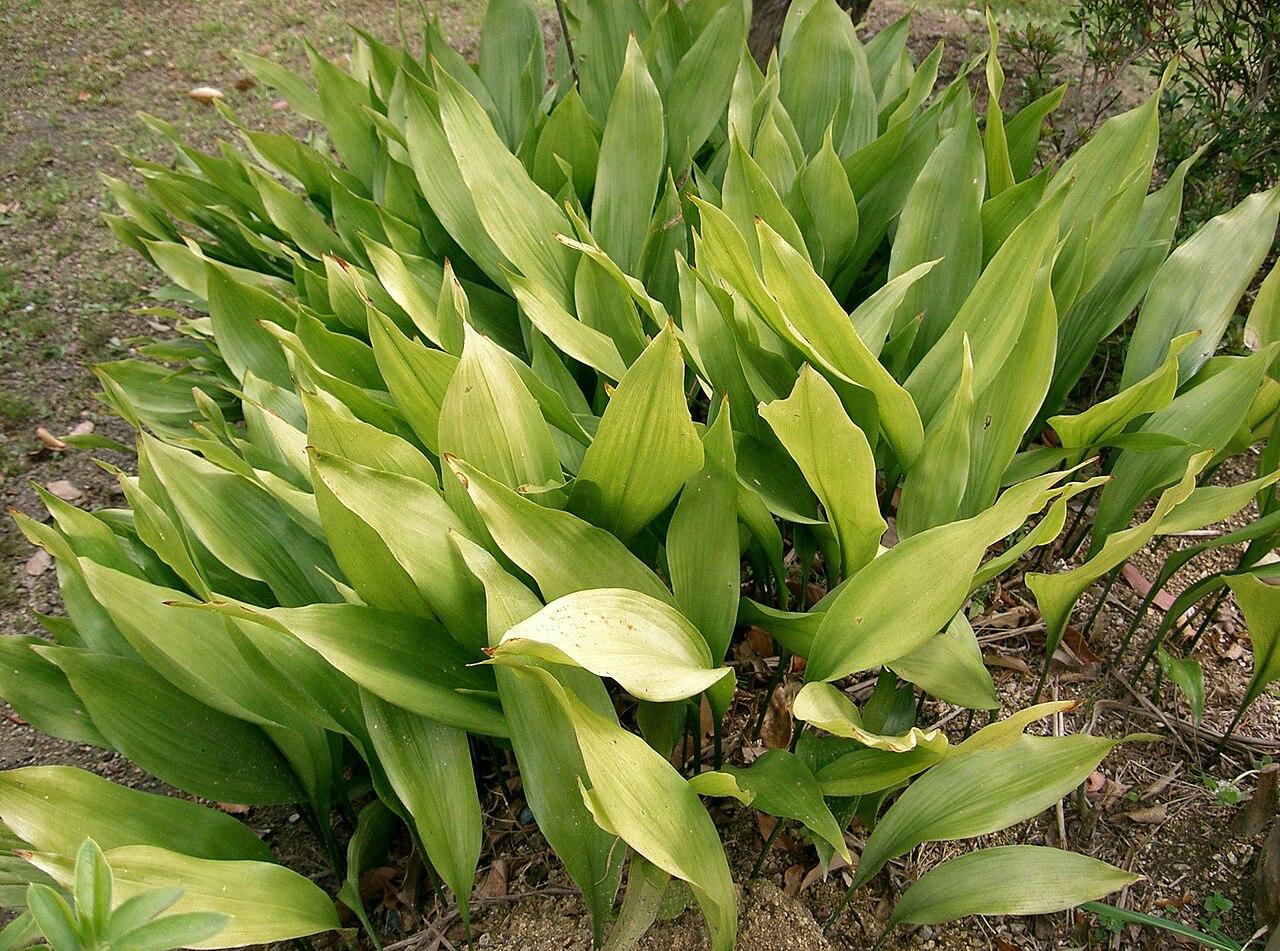
Nine Indoor Plants That Genuinely Tolerate Low Light
Most 'low light' lists are wishful thinking — half the plants on them need a bright window to look like the photo. These nine actually hold up a few metres from the glass.
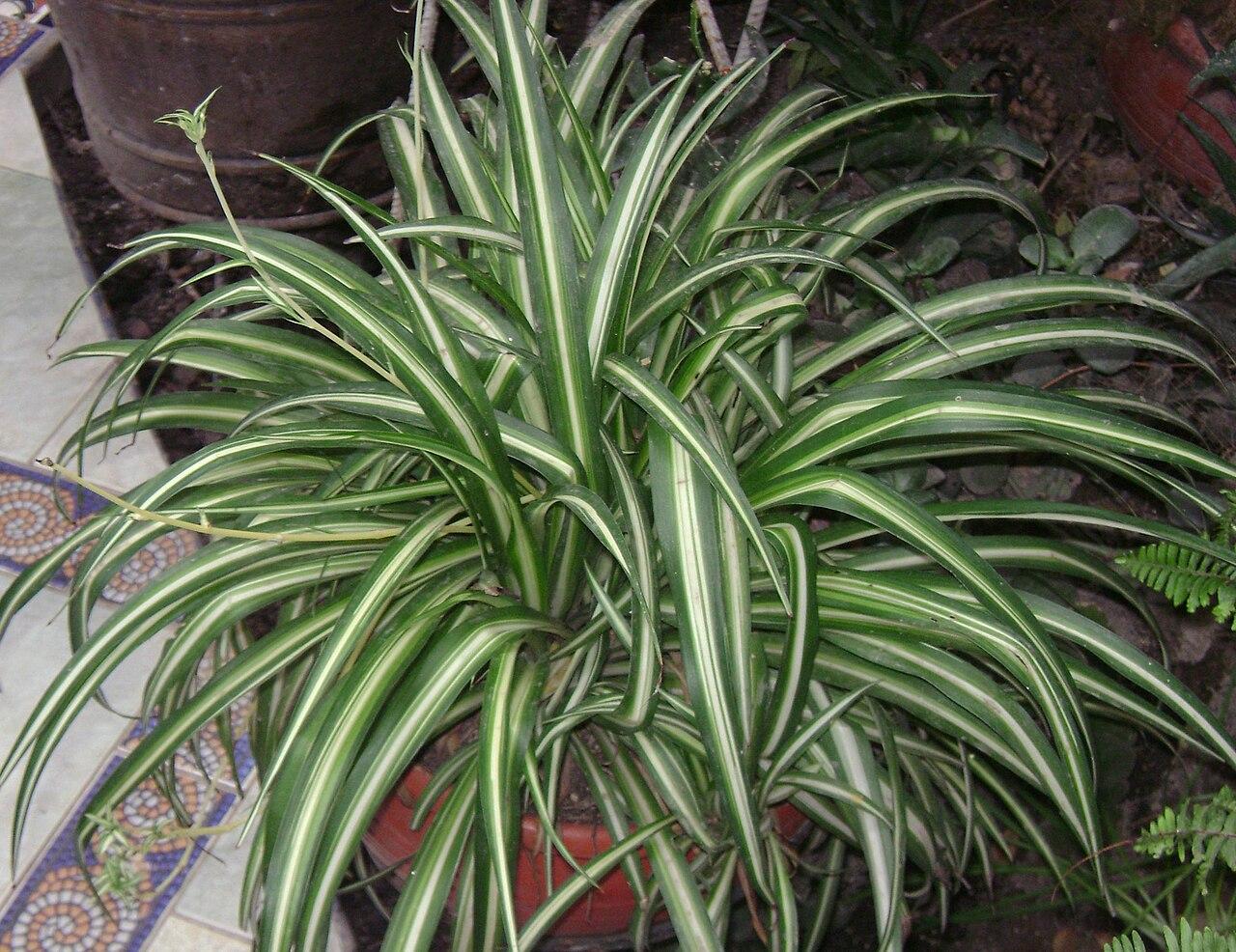
Spider Plant Care and How to Turn One Into Twenty
Chlorophytum comosum is the plant most people were handed as a child, and it is still one of the best: fast, tolerant, and it hands you free plants on the end of long arching stems.
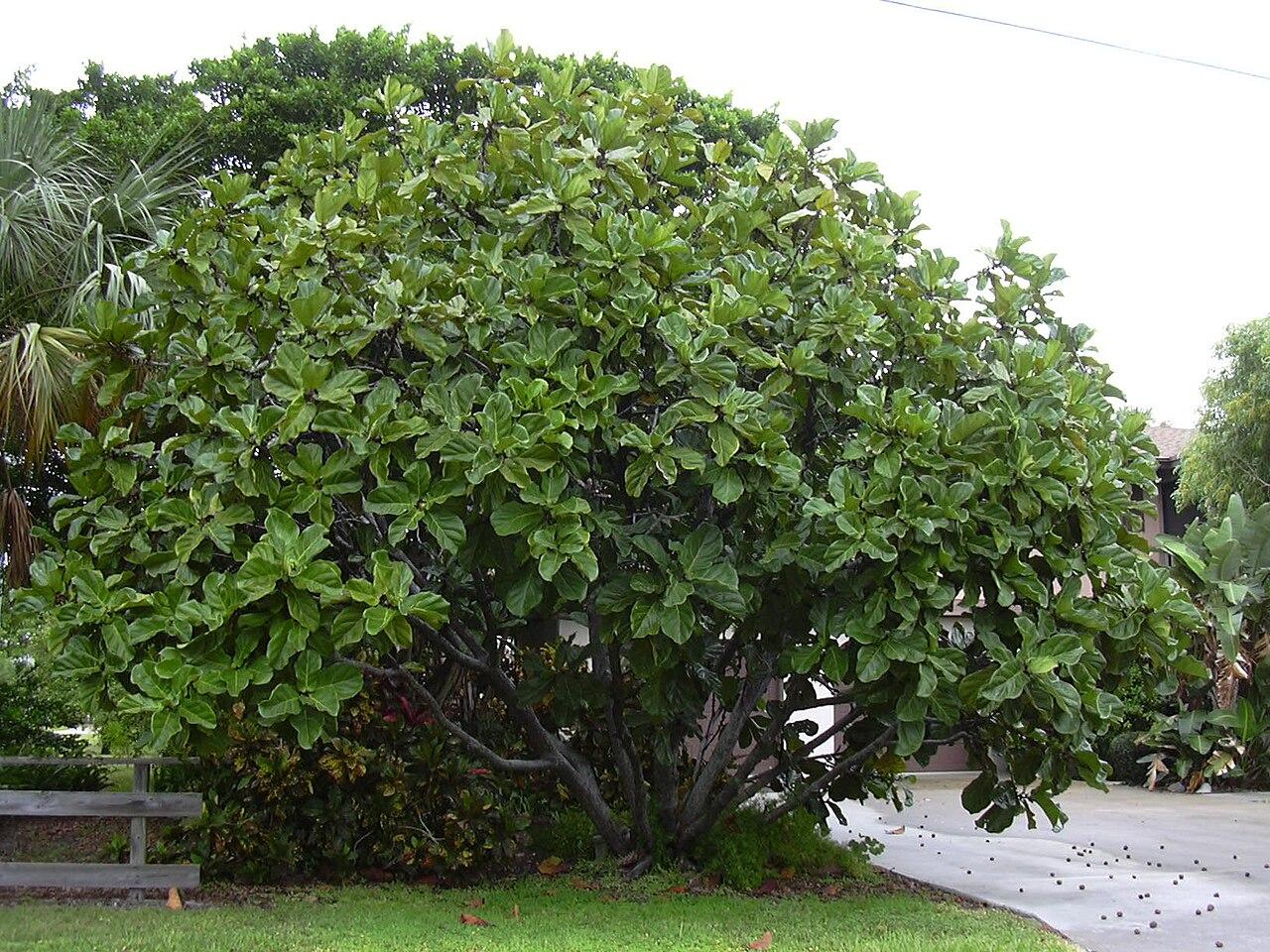
Fiddle Leaf Fig Care Without the Drama
Ficus lyrata has a reputation for being temperamental. It isn't, particularly — it just hates being moved and shows every mistake on leaves that stay on the plant for years.