Juniper Bonsai: Why Yours Died Indoors, and How to Keep the Next One
The juniper is the tree most people receive as a gift and the one most reliably killed within a year. It is not a delicate species — it is an outdoor conifer being asked to live on a desk.
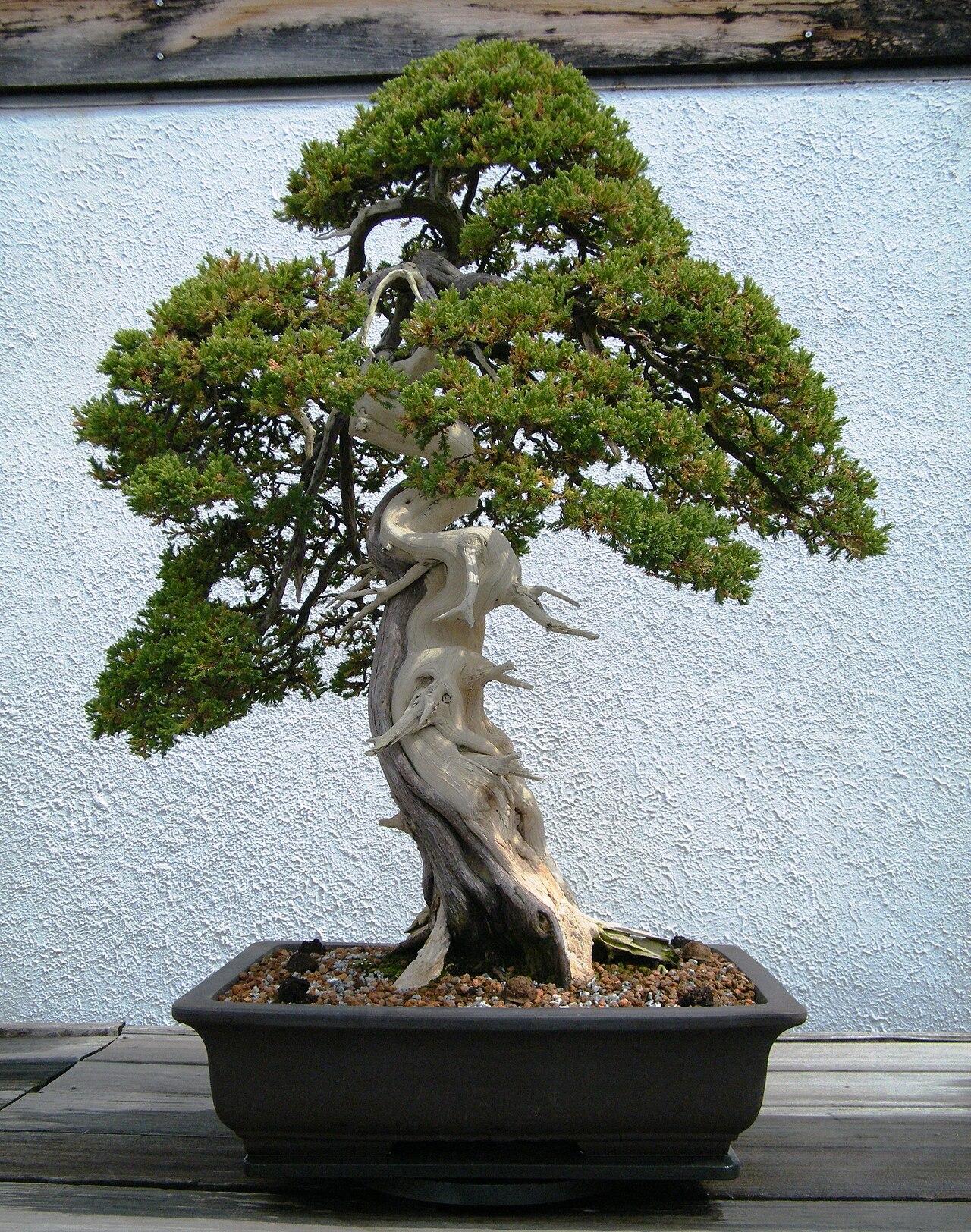
Photo: Juniper bonsai by Sarah Stierch · CC BY 4.0 · via Wikimedia Commons
01The gift-shop problem
Juniperus procumbens 'Nana' and Juniperus chinensis are the two species behind almost every inexpensive bonsai sold in garden centres and gift shops. They are chosen because they are cheap to produce, tolerate hard styling, look convincingly ancient young, and survive shipping. None of those reasons has anything to do with being suitable for a living room.
Junipers are temperate conifers from the northern hemisphere. They require a full outdoor year: strong direct sun through the growing season and genuine cold dormancy through winter. Deprived of both, a juniper does not object immediately — it simply runs down its reserves, holding its colour the whole time, and dies some months later.
That delay is what makes them so demoralising. The tree looks fine on the windowsill in November, fine in January, and by March it is brittle and grey. The owner concludes bonsai is difficult. In fact the tree died in December and took three months to show it.
So the first rule is unambiguous: a juniper lives outside, all year, in every climate where junipers grow outdoors — which is most temperate ones. If you want a tree that genuinely lives indoors, that is a ficus, and it is a different article.
02Where to put it, all year
Full sun for most of the day is the target, with light afternoon shade in the hottest climates. Junipers grown in shade produce loose, weak, elongated foliage and lose the dense pads that make them look like trees.
Air movement matters as much as light. Junipers in still, humid, enclosed positions are prone to fungal problems and to spider mites, which are the single most common pest on them. A tree on an open bench dries after rain and stays healthy.
Through winter the tree needs cold, but the roots need protection that the top does not. In a pot, the root ball is exposed to air temperature on all sides rather than insulated by the ground, and it can freeze far harder than it would in nature. Below roughly −5°C, protect the pot: sink it in the ground, heel it into a bed of bark chips, or move the tree into an unheated shed, cold frame or against a sheltered wall.
Do not bring it into a warm room to protect it. Warmth breaks dormancy, the tree starts to grow with no light to support it, and you get the gift-shop failure a season late.
03Water, feed and soil
Water when the surface of the medium begins to dry, which outdoors in summer usually means daily and sometimes twice a day. Junipers tolerate being slightly on the dry side far better than sitting wet — they are drought-adapted plants — but a pot that dries out completely still kills fine roots.
The great difficulty is that junipers hide drought stress. There is no wilting to warn you. By the time the foliage dulls or greys, the damage is weeks old. This is why a daily check matters more on conifers than on deciduous trees.
Use a sharply draining mix — roughly equal parts akadama, pumice and lava, or pumice and lava alone with a little sieved bark. Junipers hate a soggy root ball more than most species, and a mix that stays wet is the second most common cause of death after being kept indoors.
Feed through the growing season from spring to early autumn with a balanced organic or slow-release fertiliser, or a liquid feed at half strength every two weeks. Junipers respond well to steady feeding. Stop or reduce in high summer heat and again in late autumn, and never feed a tree that has just been repotted or is struggling.
| Season | Work | Notes |
|---|---|---|
| Early spring | Repot every 2–3 years; wire | Before growth pushes; never bare-root — keep the mycorrhiza |
| Late spring to summer | Prune and thin; feed | Cut, do not pinch; remove crossing and downward interior growth |
| Late summer | Jin and shari work; wire | Bark separates cleanly and heals over the following season |
| Autumn | Reduce feeding; tidy | Let the tree harden off before cold arrives |
| Winter | Protect the pot; water sparingly | Cold is required; frozen root balls are not |
04Pruning: cut, do not pinch
The old advice to pinch juniper growth between finger and thumb has been thoroughly overturned, and following it is one reason so many junipers look brown and tired. Pinching tears the scale foliage, the torn edges die back, and the whole pad takes on a dull brown cast. It also weakens the tree over time, because indiscriminate pinching removes the strong growth that feeds the interior.
Instead, cut with sharp scissors, and cut whole shoots rather than shortening every tip. Follow an over-long runner back into the pad and remove it at a fork, leaving the shorter growth behind it to develop. This keeps the silhouette without a brown fringe.
Thin the interior as well as the outline. Junipers grow densely and shade out their own inner buds, and once interior growth is lost it is very slow to return. Remove downward-growing shoots, growth on the underside of branches, and anything crowding a fork, so light and air reach into each pad.
Never strip a branch bare. A juniper branch with no foliage on it will not back-bud reliably, and it is effectively dead as a branch — which is exactly why deadwood features exist in juniper styling, since removed branches leave stubs that can be turned into jin.
- Timing — Structural cuts in early spring or late summer. Light tidying through the growing season. Avoid heavy work in high summer heat and in winter.
- How much — No more than a third of the foliage in a year on a healthy tree, and considerably less on one recently repotted.
- Wiring — Junipers wire well and hold position over months. Bark is thin and marks easily, so check every four to six weeks in the growing season and remove wire before it bites.
- Deadwood — Jin (stripped branch) and shari (stripped trunk) are traditional on junipers because the species produces them naturally. Work on live wood in late summer, and treat the exposed wood with lime sulphur once dry.
05Pests, problems and what a struggling juniper looks like
Spider mites are the main pest and they thrive in exactly the conditions junipers otherwise enjoy — warm, dry and sheltered. The first sign is a dull, faintly grey cast to the foliage rather than obvious webbing. Hold a sheet of white paper under a branch and tap it: moving specks confirm it. Hosing the foliage down regularly in hot weather is a genuinely effective preventative.
Juniper scale and needle blight both occur but are far less common indoors-turned-outdoors than mites. Blight shows as browning from the tips of individual shoots, spreading through a pad in humid still conditions; improving air movement and removing affected growth handles most cases.
The most useful diagnostic habit is to distinguish between normal shedding and decline. Junipers shed old interior foliage naturally, particularly in autumn — small brown scale leaves deep inside the pads, with the outer growth still healthy. Browning that starts at the shoot tips and works inward, or a whole branch greying at once, is not normal.
If a whole tree greys off over a few weeks, work back with the scratch test to find where living tissue ends. Very often you will find the tree died at the root, and the commonest reasons are, in order: kept indoors, root ball frozen solid, root ball kept saturated, and dried out completely in summer.
Frequently asked questions
- Can a juniper live indoors at all, even by a bright window?
- No. The limiting factor is not only light but the missing winter dormancy. A juniper indoors is on a delay, not on a different path.
- My juniper has gone brown. Can I save it?
- If a scratch test shows green tissue in the trunk and some branches, yes — move it outdoors into light shade, water carefully, do not fertilise or prune, and wait a full season. If the trunk scratches brown throughout, it is gone.
- Is 'Nana' different from Chinese juniper in care?
- Not meaningfully. Juniperus procumbens 'Nana' has needle foliage and is a low spreader; J. chinensis cultivars usually have scale foliage. Both want full sun, cold winters and sharp drainage.
- When can I style a juniper I have just bought?
- Wait a season. Let the tree settle, feed it through a growing year, and style once you can see it is vigorous. Repotting and heavy styling in the same year is what kills recently bought trees.
Lan Nguyen
Balcony grower & founding editor
Lan has kept ornamental plants on a 12 m² apartment balcony for eight years, mostly tropical foliage and small-scale bonsai. She writes the care and comparison guides here, and has killed enough plants to be specific about how.
Keep reading
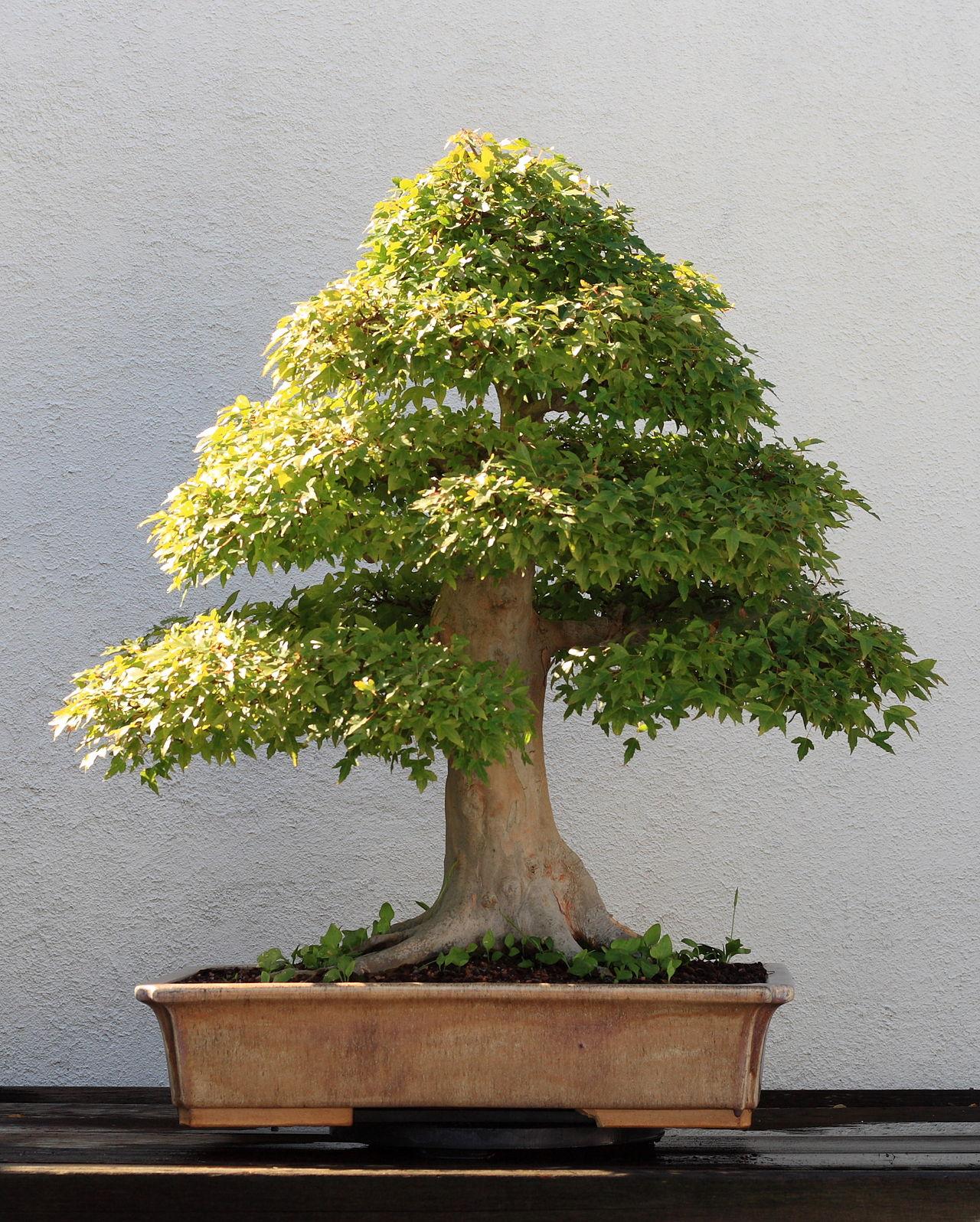
Bonsai Repotting: The Root Work That Keeps a Tree Small
The pot never gets bigger, so the roots have to get smaller. Repotting is not about giving a bonsai more room — it is the scheduled renewal that keeps a tree alive in a container the size of a dinner plate.
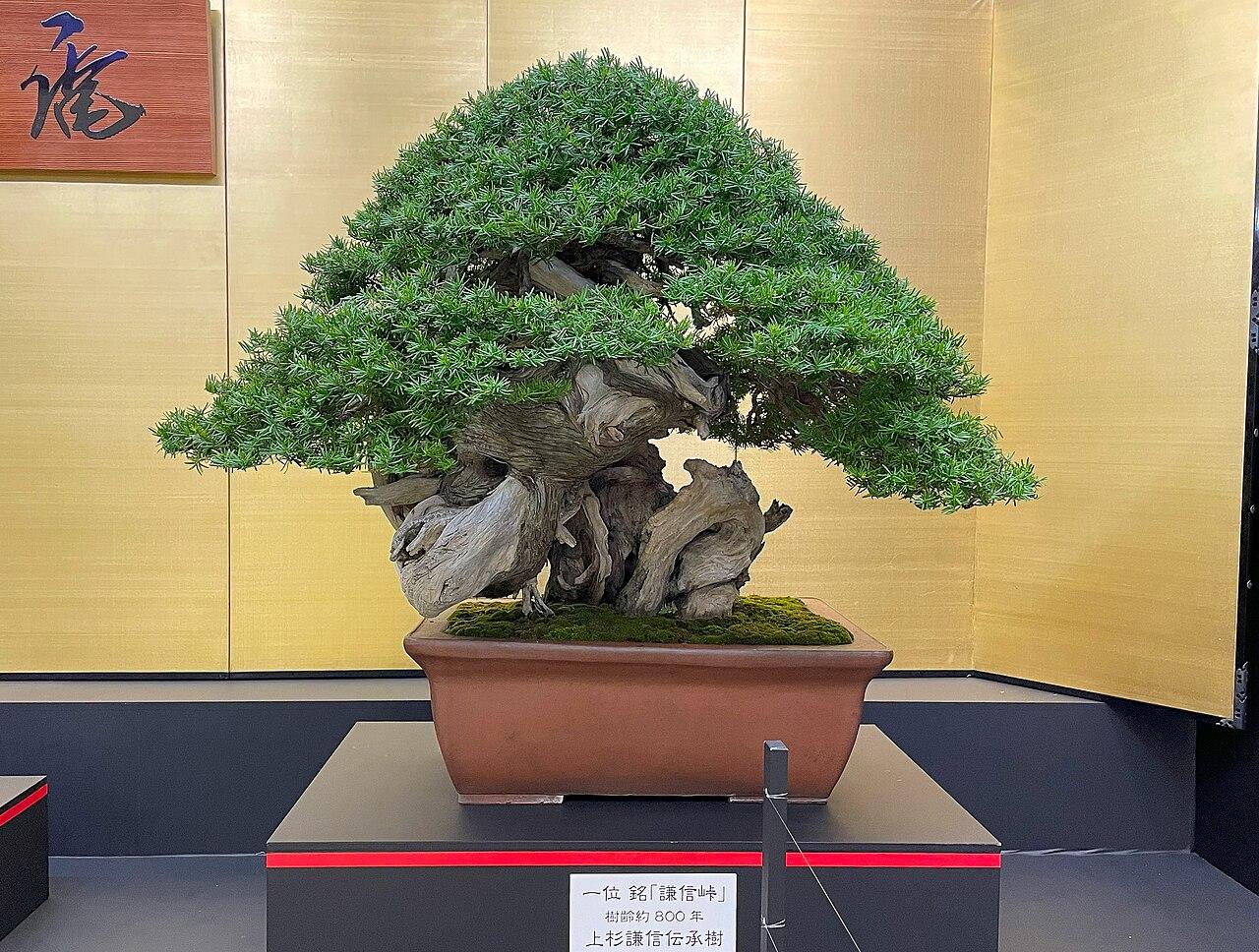
Choosing Your First Bonsai: What Actually Matters
Most first bonsai die within a year, and it is almost never a styling failure. It is buying a tree that cannot live where you intend to keep it.
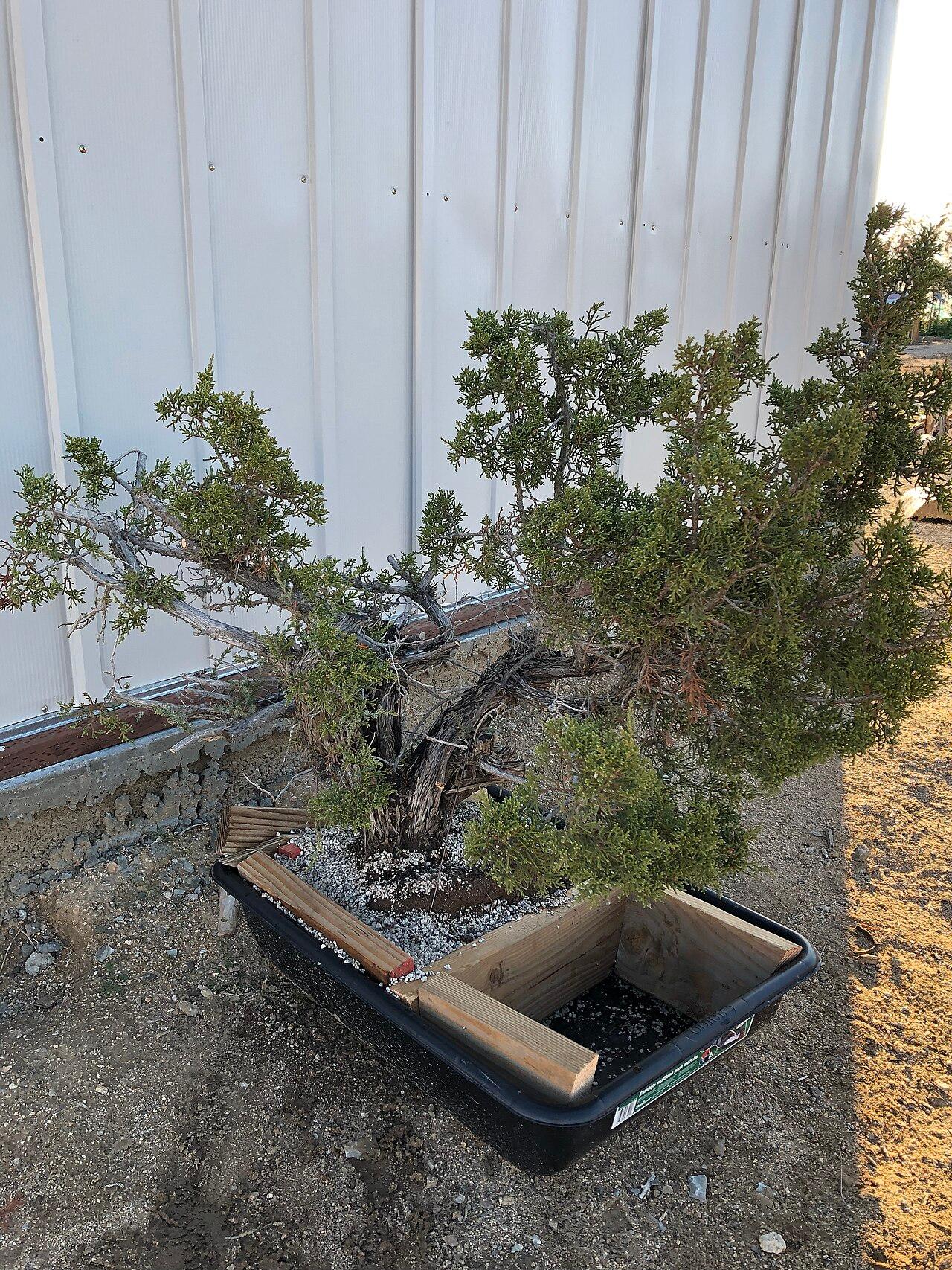
Starting a Bonsai from Nursery Stock, Cheaply
A finished bonsai costs what a piece of furniture costs. A shrub from the back of a garden centre costs the price of lunch, and the trunk you can find in one is often better than anything at that price in a bonsai pot.