Choosing Your First Bonsai: What Actually Matters
Most first bonsai die within a year, and it is almost never a styling failure. It is buying a tree that cannot live where you intend to keep it.
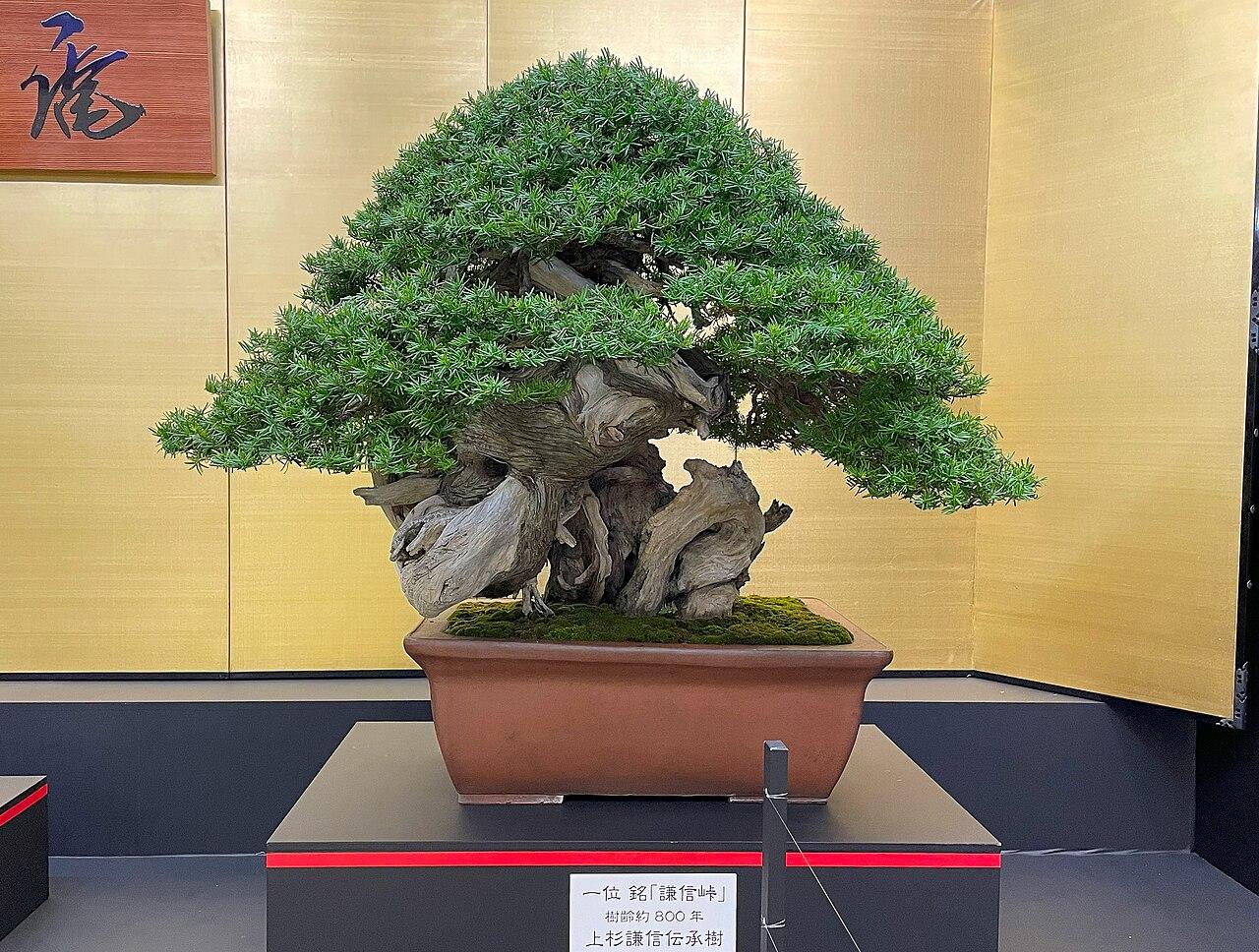
Photo: Bonsai by Order of the Rose (薔薇騎士団) · CC BY 4.0 · via Wikimedia Commons
01The one question that decides everything
Before species, before style, before pot: will this tree live indoors or outdoors? The answer eliminates most of the options and prevents the single most common beginner mistake.
Temperate trees — juniper, pine, maple, elm, larch — need a genuine cold dormancy every winter. They have evolved to shut down as day length shortens and temperatures fall, and a warm living room prevents that. A juniper kept indoors looks fine for months, because conifer foliage stays green long after the tree is dead, and then it turns brown all at once in spring. By then it has been dead for weeks.
Tropical and subtropical species — Ficus, Carmona, Schefflera, Portulacaria — have no dormancy requirement and can genuinely live indoors year-round given enough light. These are what 'indoor bonsai' means.
02Species worth starting with
The good beginner species share three traits: they tolerate mistakes, they respond visibly to pruning, and they grow fast enough that you see the result of your decisions within a season rather than a decade.
| Species | Indoors? | Why it is forgiving | Watch out for |
|---|---|---|---|
| Ficus (retusa, microcarpa, benjamina) | Yes | Very fast, roots and heals quickly, tolerates dry air | Drops leaves after any move; recovers |
| Chinese elm (Ulmus parvifolia) | Either | Back-buds freely, handles hard pruning, semi-evergreen | Prefers a cool winter if kept indoors |
| Jade / dwarf jade (Portulacaria afra) | Yes | Succulent, forgives forgotten watering | Rots fast if overwatered; needs strong light |
| Juniper (Juniperus procumbens) | No | Cheap, flexible branches, classic look | Must live outdoors; hides its death |
| Cotoneaster | No | Hardy, fast, flowers and berries | Needs a real winter |
| Carmona (Fukien tea) | Yes | Attractive small leaves and white flowers | Genuinely fussy — not a first tree despite being sold as one |
03What to look for when buying
A bonsai's value and its future are mostly decided by the trunk. Everything above it can be regrown in a few years; the trunk takes decades.
Look at the base first. You want nebari — surface roots spreading visibly outward in several directions, giving the impression of a tree anchored in the ground. A trunk that goes straight into the soil like a broomstick will always look like a stick.
Then look for taper: the trunk should be thickest at the base and narrow steadily toward the apex. A trunk of uniform thickness reads as a cutting in a pot, not a tree.
Branch placement matters far less than people assume, because branches can be removed, wired, or grown from scratch. Do not pay extra for a good branch structure on a poor trunk.
- Good signs — Thick flared base, visible surface roots, clear taper, healthy dense foliage, firm soil surface with no green slime.
- Bad signs — Trunk the same width top to bottom, roots hidden under a mound of soil, glued gravel on the surface, wire cutting into bark, brown or brittle interior foliage.
- The glued-gravel warning — A layer of gravel glued to the soil surface is a mass-production finish. It prevents you from checking moisture and often hides poor soil underneath. Pick it off carefully once home.
04Light, and the honest indoor assessment
Even tropical bonsai need considerably more light than an average houseplant. These are trees, adapted to the top of a canopy, and their compact form depends on strong light. Under-lit, internodes stretch, leaves enlarge, and the tree loses the miniature proportion that made it a bonsai.
The practical target indoors is a position right at a bright window — within 30 cm of the glass — with several hours of direct sun. If your brightest window cannot supply that, a modest grow light on a timer for ten hours a day genuinely solves it, and is cheaper than replacing trees.
Outdoor trees are simpler: full sun for most species, with afternoon shade in hot climates for maples and other thin-leaved trees.
05Watering: the skill that keeps it alive
Bonsai soil is deliberately not soil. It is a coarse, free-draining mix of akadama, pumice and lava rock, designed to hold air around the roots and shed excess water immediately. That means it dries far faster than a houseplant pot — in summer, an outdoor bonsai may need water once or twice a day.
Never water on a schedule. Check the surface daily by touch, or lift the pot: a watered bonsai is noticeably heavier than a dry one, and this comparison becomes reliable within a couple of weeks.
When you do water, water thoroughly. Pour over the whole soil surface until it runs from the drainage holes, wait a minute, then do it again. Coarse bonsai soil can develop dry pockets that a single quick pass does not reach.
06What to do in the first year
Almost nothing. This is the hardest advice to follow and the most valuable.
Spend the first year learning the tree's watering rhythm and keeping it healthy. Pinch back new shoots that run too long, remove obviously dead material, and otherwise leave it alone. Styling a weak tree is how beginners turn a struggling plant into a dead one.
Repot in the second spring, not the first — unless the tree is in obviously waterlogged soil, in which case repot immediately regardless of season and accept the risk.
Feed lightly through the growing season with a balanced fertiliser at half strength, starting a month after any repot. A tree in a tiny volume of inert soil depends entirely on you for nutrients, but a stressed tree cannot use them.
Frequently asked questions
- Is bonsai cruel to the tree?
- No. The techniques are ordinary horticulture — pruning, root pruning, training — applied consistently. A well-kept bonsai is a healthy tree and routinely outlives the same species grown in the ground, with specimens documented at several hundred years old.
- How long before it looks like a real bonsai?
- With a nursery-grown starter and consistent work, three to five years for a convincing small tree. Developing a trunk from a seedling is a twenty-year project — which is why almost everyone starts with pre-grown stock.
- Can I grow bonsai from seed?
- You can, but 'bonsai seeds' are just ordinary tree seeds. Expect a decade before there is anything to style. Grow some alongside a real tree if you want the experience, not instead of one.
Lan Nguyen
Balcony grower & founding editor
Lan has kept ornamental plants on a 12 m² apartment balcony for eight years, mostly tropical foliage and small-scale bonsai. She writes the care and comparison guides here, and has killed enough plants to be specific about how.
Keep reading
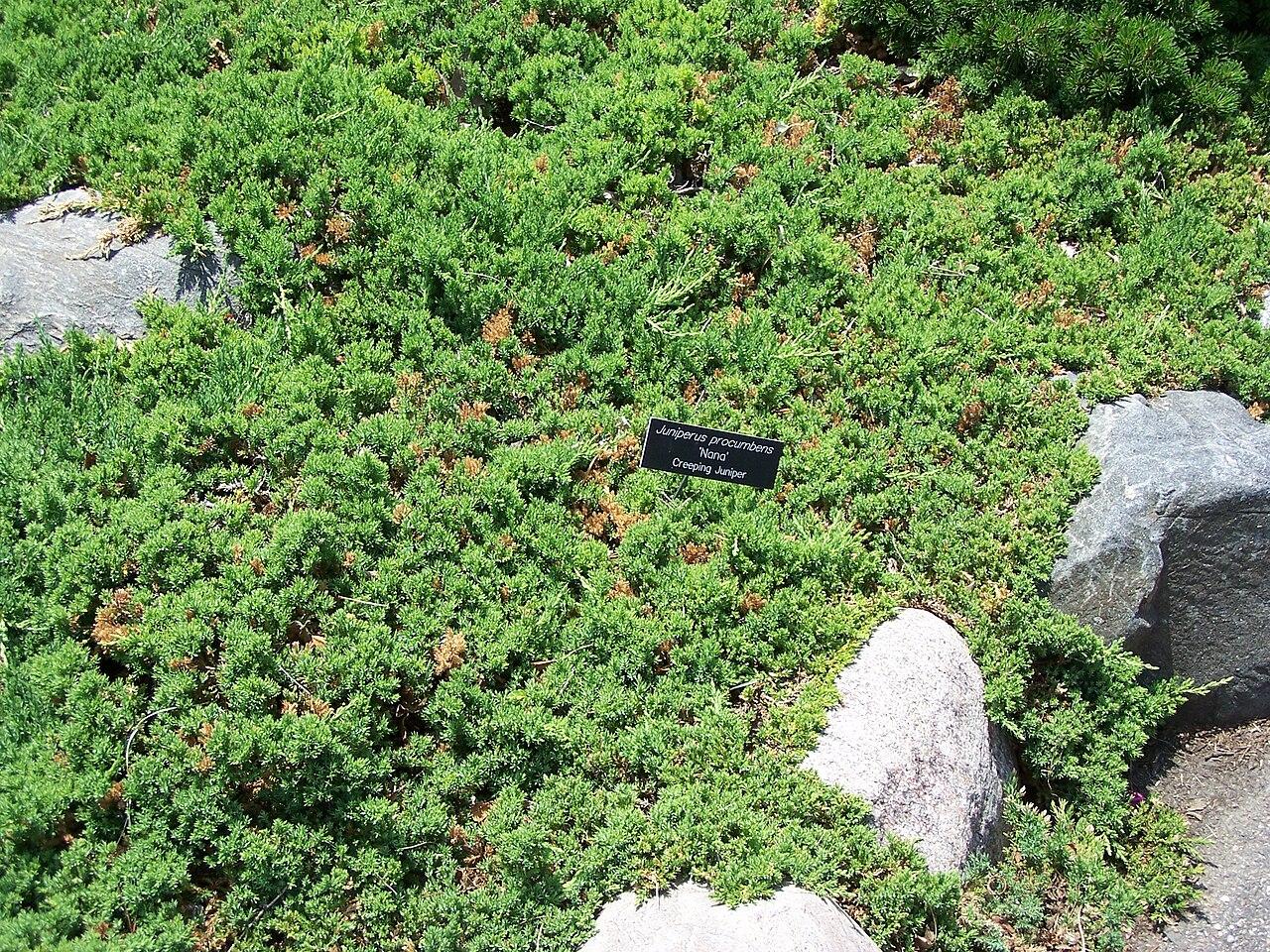
Bonsai Wiring: How to Shape a Branch Without Scarring It
Wire is how a bonsai gets its shape, and it is also how beginners permanently mark a trunk. The technique is not difficult — the timing and the removal are what people get wrong.
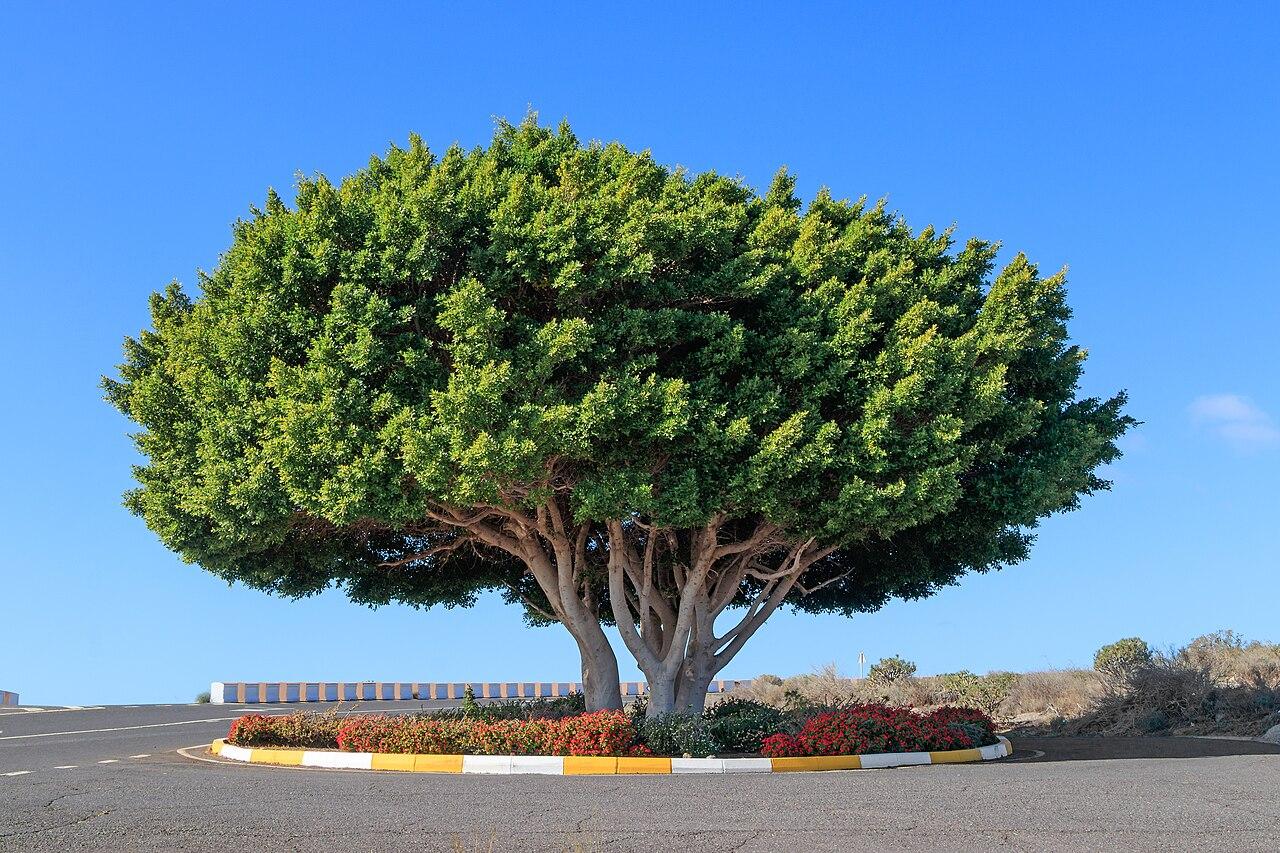
Ficus Bonsai: The Only Bonsai That Genuinely Thrives Indoors
If you want a bonsai on a shelf rather than a balcony, this is the genus that works. It tolerates dry air, forgives pruning mistakes, heals fast, and does not need a cold winter.
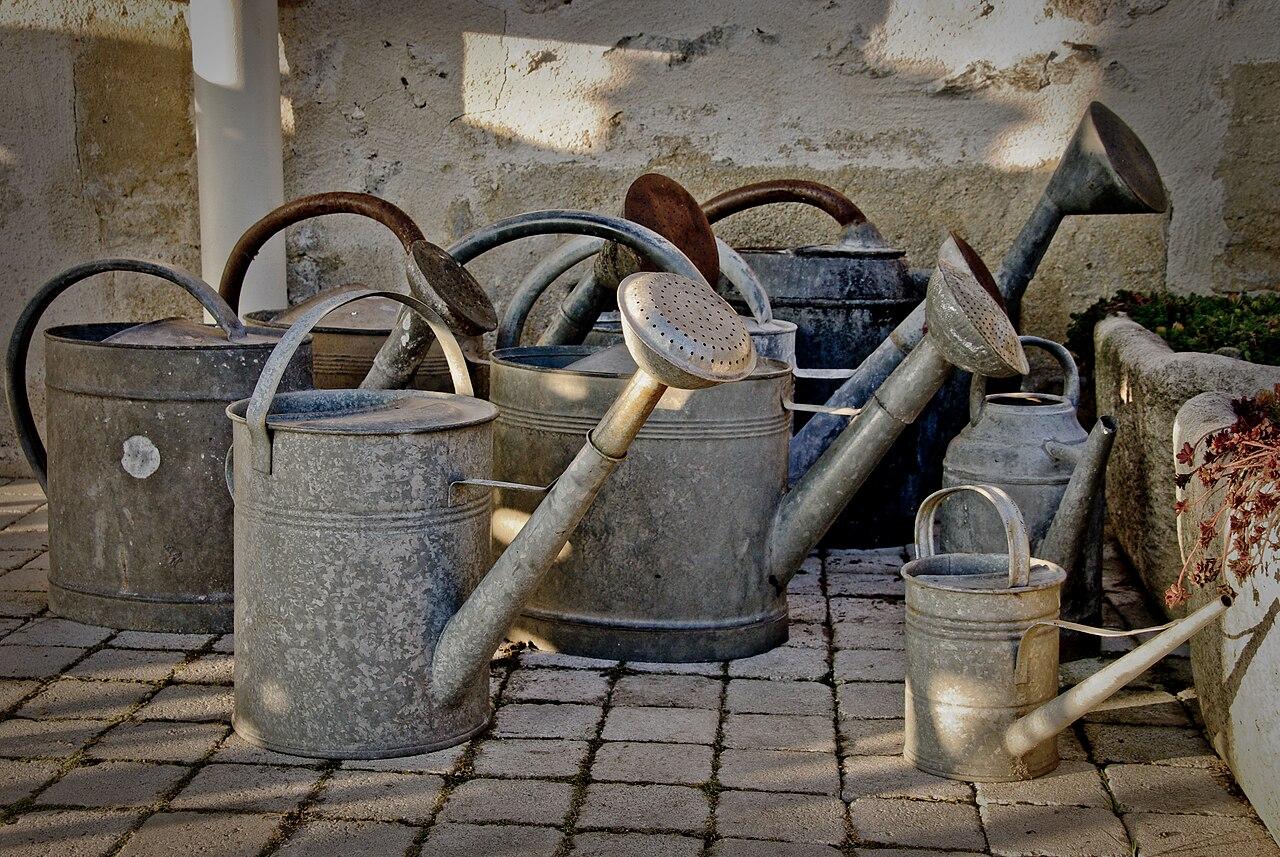
Stop Watering on a Schedule: A Seasonal Approach Instead
The most common question is 'how often should I water this?' — and the honest answer is that the interval changes by a factor of three between July and January. Here is how to read it instead of counting days.