Bonsai Wiring: How to Shape a Branch Without Scarring It
Wire is how a bonsai gets its shape, and it is also how beginners permanently mark a trunk. The technique is not difficult — the timing and the removal are what people get wrong.
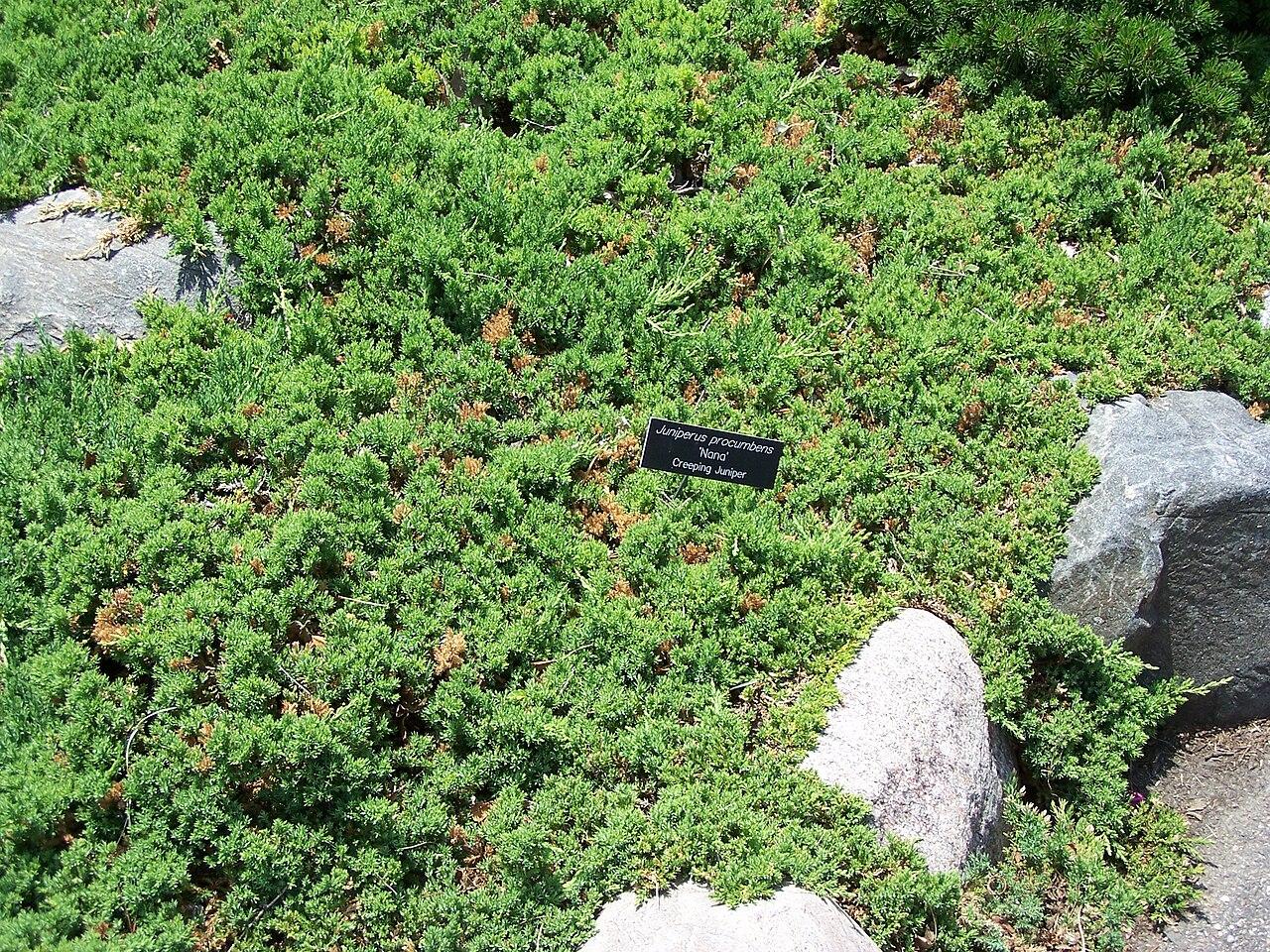
Photo: Juniperus procumbens by SEWilco · CC BY-SA 3.0 · via Wikimedia Commons
01What wiring is actually doing
Wiring holds a branch in a new position long enough for the wood to lignify in that shape. Nothing about the wire itself bends the branch — you bend it, and the wire only prevents it springing back.
That means the wire is temporary by definition. It stays on for a few months, comes off, and if the branch has not set, you wire it again later. People who leave wire on 'to be safe' end up with spiral scars that take a decade to grow out, if they ever do.
The set time varies enormously: a thin ficus shoot may hold after six weeks, while a thick pine branch may need a full growing season and a second application.
02Choosing wire
Two materials are standard. Anodised aluminium is soft, forgiving and reusable — use it for deciduous trees and for everything while you are learning. Annealed copper is stiffer and holds heavier branches, and is traditional for conifers, but it work-hardens as you bend it and is unforgiving of hesitation.
Diameter is the decision that matters. The rule of thumb is one-third the diameter of the branch. Too thin and the branch springs back, taking the wire with it; too thick and you cannot wrap it cleanly and you crush bark.
If a single wire will not hold, do not jump to a thicker gauge. Run two wires of the same size parallel along the branch — this gives more holding power with less crushing pressure.
| Branch diameter | Aluminium wire | Typical use |
|---|---|---|
| 2–3 mm | 1.0 mm | Fine twigs, new shoots |
| 4–6 mm | 1.5–2.0 mm | Secondary branches |
| 8–12 mm | 3.0 mm | Primary branches |
| 15–20 mm | 4.0 mm + guy wire | Heavy branches; consider a guy wire instead |
| Trunk | 5–6 mm or raffia + guy wire | Only on young flexible trunks |
03The technique, step by step
Wire before you bend, always. Bending first and wiring after leaves the wood already stressed and gives you no control.
- 1. Anchor — Start with at least two turns around a thicker part — the trunk, or a heavier branch — before you reach the branch you intend to move. Unanchored wire simply rotates and does nothing.
- 2. Wrap at 45° — Keep the angle consistent and the spacing even. Shallower than 45° gives no holding power; steeper wastes wire and crushes more bark.
- 3. Keep it snug, not tight — The wire should touch the bark along its whole length without indenting it. A wire you can slide along the branch is too loose.
- 4. Pair your branches — One length of wire can serve two branches of similar thickness emerging near each other — wrap up one, across the trunk, and down the other. Fewer wires means fewer marks.
- 5. Bend with both hands — Support the inside of the curve with your thumbs and bend slowly with the whole hand. Levering the tip is how branches snap.
04When to wire, and when not to
Deciduous trees are easiest to wire in late autumn or winter when the branch structure is visible and the bark is not actively expanding. Conifers can be wired almost year-round, with late autumn to early spring preferred.
Do not wire a tree that has just been repotted, is recovering from heavy pruning, or is visibly weak. Wiring is a stress, and stresses compound.
Avoid wiring during the strongest growth flush of spring. That is exactly when branches thicken fastest, which is exactly when wire bites in fastest.
05Removing wire without damage
Check wired branches every two to four weeks through the growing season. You are looking for the wire beginning to sit flush with, rather than on top of, the bark. That is the last moment to act.
Remove wire with wire cutters, snipping it into short segments and lifting each piece away. Do not unwind it. Unwinding puts torque back through the branch you just spent months setting, and it frequently snaps the branch or tears bark.
If a wire has already bitten in, cut it off immediately rather than leaving it 'because the damage is done'. Continued pressure girdles the branch and can kill everything above the mark. Shallow marks on vigorous species grow out over two to four years; deep spiral scars on a trunk are usually permanent.
06Guy wires: the alternative people skip
For heavy branches, for thin-barked species, and for pulling a branch downward rather than curving it, a guy wire is often better than wrapping.
Anchor a length of wire to the pot, to a root, or to a screw eye in the trunk on the opposite side, loop it around the branch with a protective sleeve of rubber tubing, and tension it gradually — over weeks, not in one go.
This leaves no spiral marks at all, applies steady directional force, and can be adjusted as the branch moves. Many experienced growers use guy wires for the major structural moves and reserve wrapping for fine work in the outer canopy.
Frequently asked questions
- How long does wire need to stay on?
- Anywhere from six weeks on fast-growing tropical species to a full year on a mature pine. There is no fixed answer — inspect regularly and remove when the branch holds its position without the wire.
- Can I reuse aluminium wire?
- Yes, if it comes off in usable lengths and is not badly kinked. Copper work-hardens once bent and needs annealing with a flame before reuse, which is rarely worth the effort.
- The branch sprang back when I removed the wire. Now what?
- Re-wire it and leave it longer. This is normal, especially the first time on a given branch. Each cycle sets it a little further; two or three rounds over a couple of seasons is ordinary.
Lan Nguyen
Balcony grower & founding editor
Lan has kept ornamental plants on a 12 m² apartment balcony for eight years, mostly tropical foliage and small-scale bonsai. She writes the care and comparison guides here, and has killed enough plants to be specific about how.
Keep reading
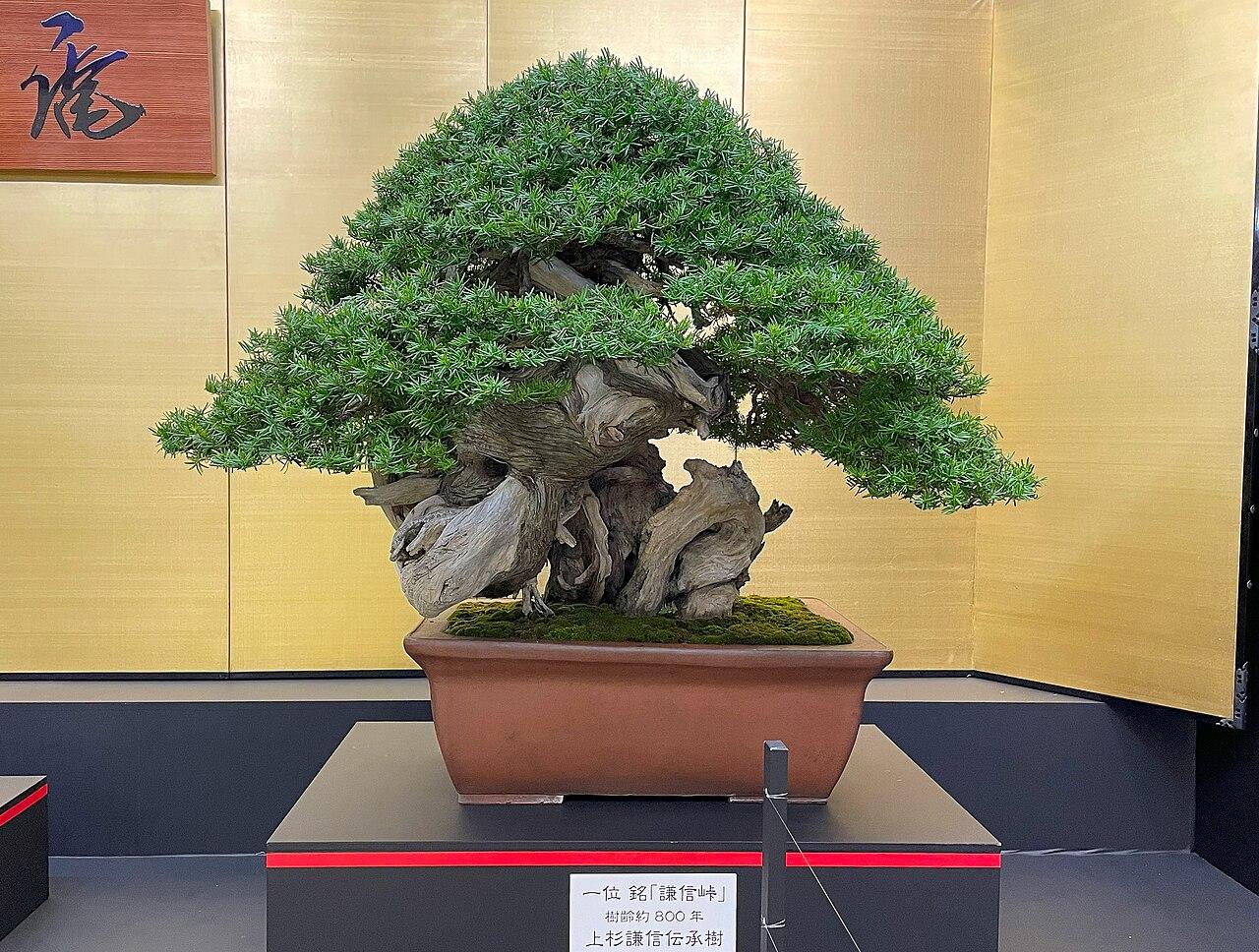
Choosing Your First Bonsai: What Actually Matters
Most first bonsai die within a year, and it is almost never a styling failure. It is buying a tree that cannot live where you intend to keep it.
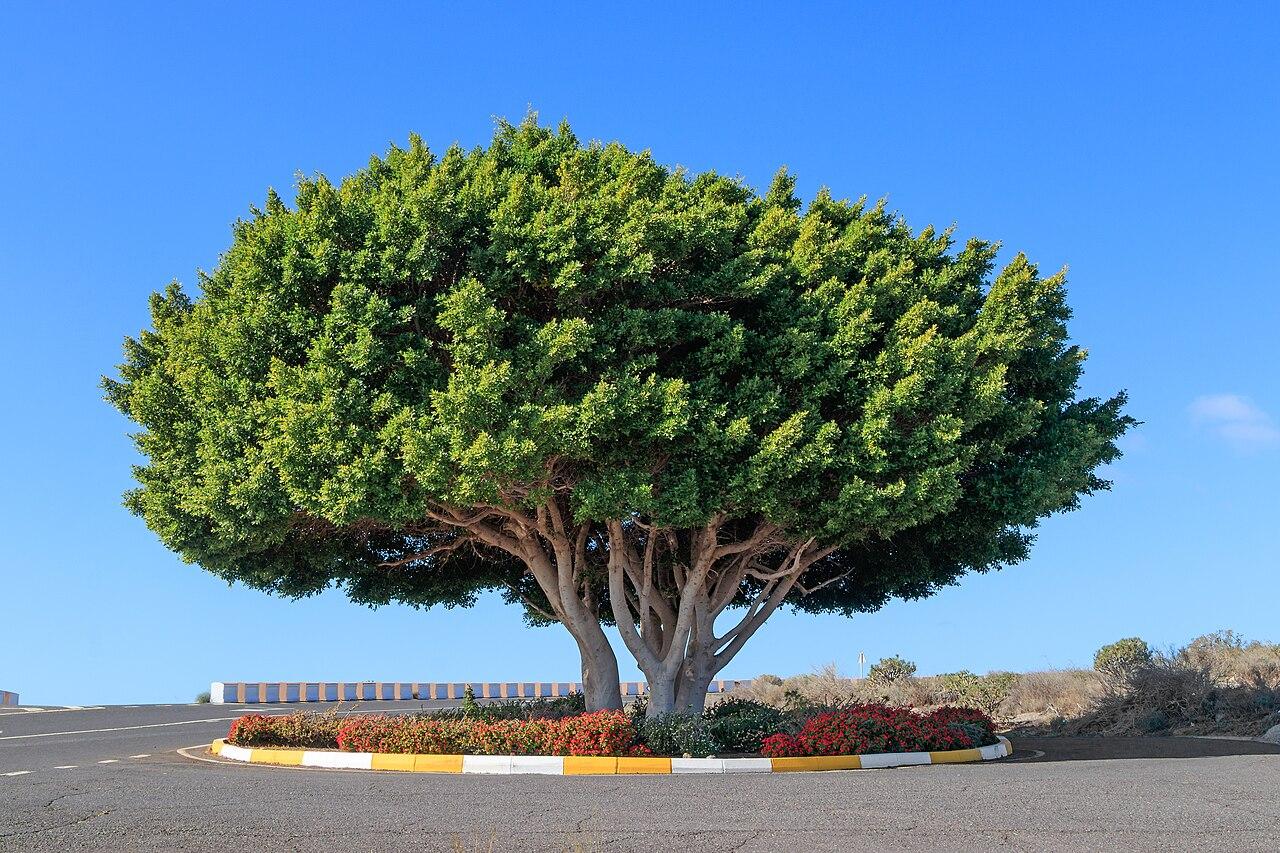
Ficus Bonsai: The Only Bonsai That Genuinely Thrives Indoors
If you want a bonsai on a shelf rather than a balcony, this is the genus that works. It tolerates dry air, forgives pruning mistakes, heals fast, and does not need a cold winter.
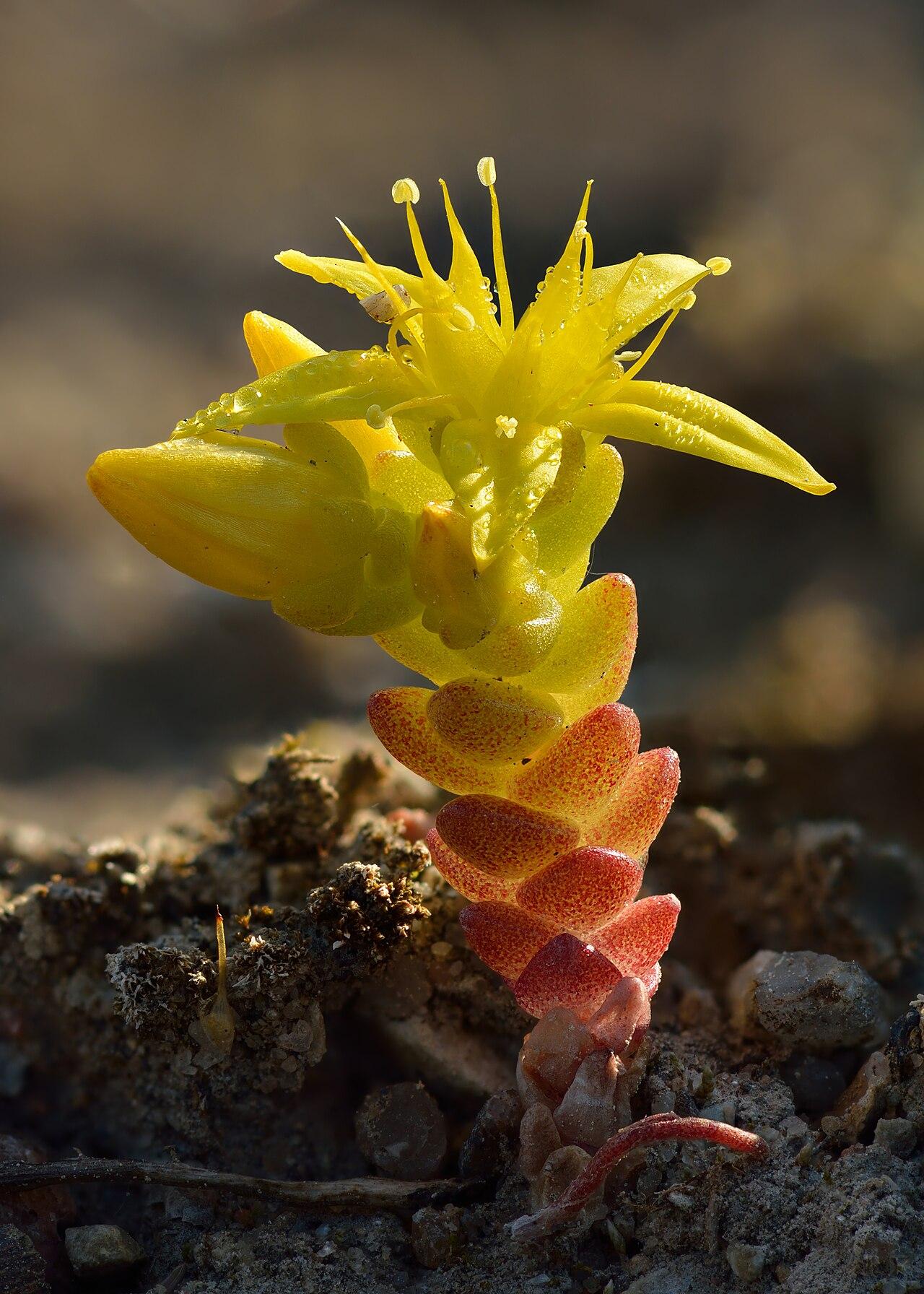
Soak and Dry: The Only Succulent Watering Method Worth Learning
Little and often feels careful and kills succulents. The method that works is counterintuitive: drench them completely, then do nothing at all for weeks.