Ficus Bonsai: The Only Bonsai That Genuinely Thrives Indoors
If you want a bonsai on a shelf rather than a balcony, this is the genus that works. It tolerates dry air, forgives pruning mistakes, heals fast, and does not need a cold winter.
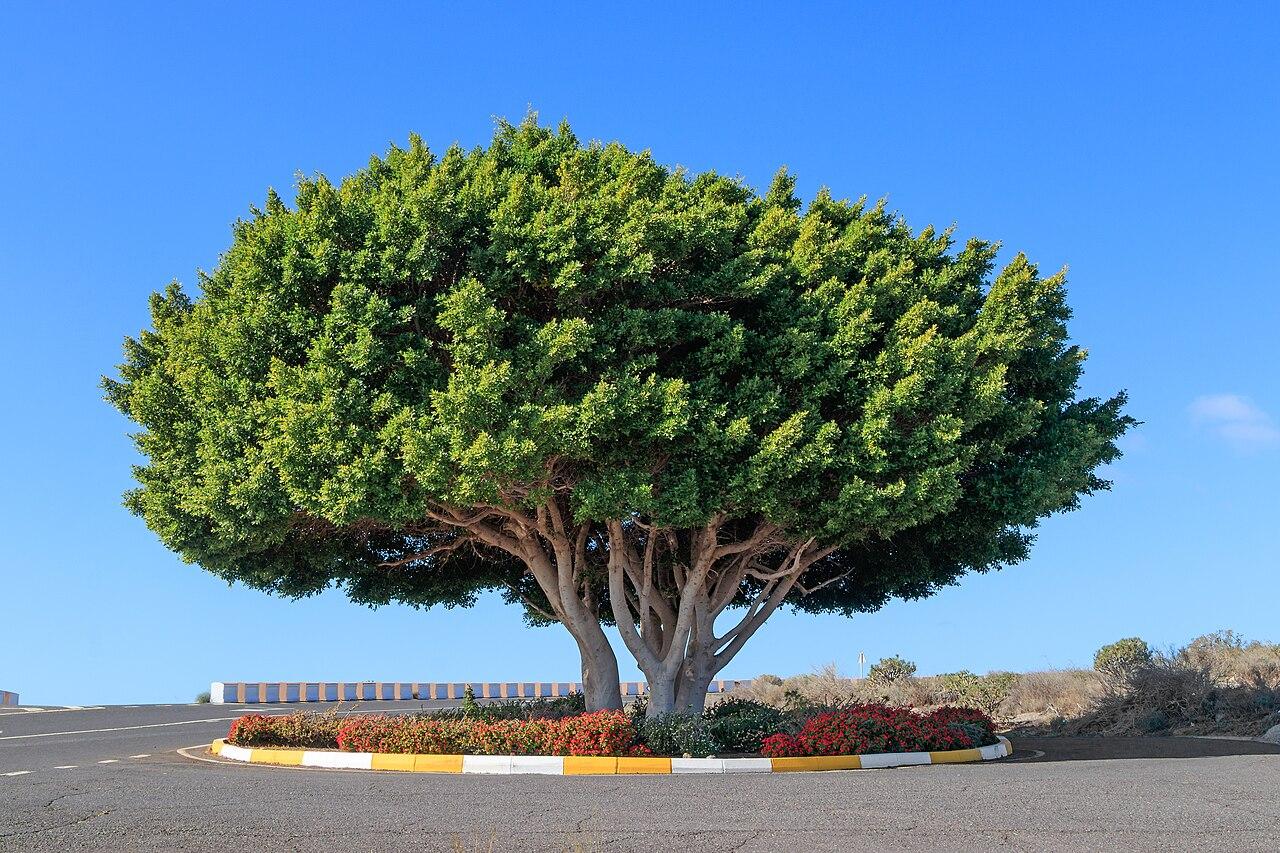
Photo: Ficus microcarpa by H. Zell · CC BY-SA 3.0 · via Wikimedia Commons
01Why ficus is the indoor exception
Nearly every classic bonsai species is temperate and requires a cold winter dormancy that no heated room provides. Ficus does not. The commonly used species — Ficus microcarpa, F. retusa, F. benjamina and F. religiosa — come from tropical and subtropical Asia, where growth is continuous year-round.
On top of that, ficus tolerates the dry air of a heated room far better than most, roots readily from cuttings, and closes pruning wounds unusually fast. A cut that would leave a permanent scar on a pine is largely invisible on a ficus within two seasons.
The trade-off is that it needs real light. A ficus bonsai in a dim corner does not die dramatically — it stretches, its leaves enlarge, the internodes lengthen, and it gradually stops looking like a bonsai at all.
02Position and light
Put it in the brightest spot in the house: directly at a south or west window, or an unobstructed east one. Several hours of direct sun is beneficial, not harmful.
If your brightest window is not bright, add a grow light. A 15–20 W LED positioned 30 cm above the tree for ten to twelve hours a day is enough to keep the growth compact, and it costs a few pounds a year to run.
In summer, a ficus benefits enormously from going outside once night temperatures stay reliably above 15°C. Move it out gradually over a week or two, starting in shade, or the leaves will scorch. Bring it back in before autumn nights drop below about 12°C.
03Watering and humidity
Water thoroughly when the surface of the soil has just begun to dry — press a finger onto it, and if it feels dry rather than cool and damp, water. In a bright warm room during summer this is often daily; in winter it may be every three or four days.
Water until it runs freely from the drainage holes, then repeat after a minute. Coarse bonsai soil channels water down the sides if you water too quickly, leaving the middle of the root mass dry.
Ficus tolerates dry indoor air better than any other bonsai genus, so humidity trays are optional rather than essential. What it does not tolerate is a cold draught next to a door in winter, which triggers heavy leaf drop.
04Pruning and developing the tree
Ficus responds to pruning by branching, and it does so quickly and predictably. This makes it the ideal species to learn structural pruning on, because you see the consequence of a cut within weeks instead of years.
The core technique is to let a new shoot extend to six or eight leaves, then cut it back to two. Doing this repeatedly through the growing season builds the dense, finely ramified canopy that reads as an old tree.
Structural cuts — removing a whole branch — are best made in spring or early summer, when the tree has the most energy to seal the wound. Expect white latex sap to bleed from the cut; this is normal, it stops within an hour, and it irritates skin, so wear gloves.
- Pinching for density — Cut back to two leaves once a shoot has six to eight. Repeat all growing season.
- Defoliation — On a strong, healthy tree only, removing all leaves in early summer forces a second flush of smaller ones. Never do this on a weak or recently repotted tree.
- Aerial roots — The signature feature of a ficus bonsai. Encourage them with high humidity — a clear cover over the tree for several weeks — and guide new roots down into the soil, where they thicken into extra trunks.
05Repotting and soil
Repot every two years for a young tree and every three to five for a mature one, in spring or early summer when it is growing strongly. Ficus is far more tolerant of root work than most species and recovers quickly.
Remove about a third of the root mass, comb out the outer roots, trim them back, and return the tree to the same or a slightly larger pot with fresh soil. Never bare-root the whole tree in one session.
Use a proper bonsai mix — akadama, pumice and lava rock in roughly equal parts, or a commercial bonsai soil. Standard potting compost compacts, holds water, and suffocates the roots in a shallow bonsai pot.
After repotting, keep the tree out of direct sun for two weeks, water carefully, and do not fertilise for a month.
| Season | Watering | Feeding | Work |
|---|---|---|---|
| Spring | Every 1–3 days | Every 2 weeks, half strength | Repot; structural pruning |
| Summer | Daily in a bright spot | Every 2 weeks | Pinch shoots; optional defoliation; move outdoors |
| Autumn | Every 2–4 days | Monthly, then stop | Bring indoors gradually; expect leaf drop |
| Winter | Every 3–7 days | None | Grow light if needed; keep away from draughts and radiators |
Frequently asked questions
- My ficus dropped most of its leaves. Is it dying?
- Almost certainly not. Leaf drop follows any change in light, temperature or position. Scratch the bark on a twig with a fingernail — green underneath means live wood. Keep the light and watering steady and it will re-leaf.
- Can I keep a ficus bonsai in a bathroom?
- Only if it has a genuinely bright window. The extra humidity is welcome but it does not compensate for insufficient light, and most bathrooms are too dim.
- Why are my ficus leaves getting bigger, not smaller?
- Too little light, and often too much nitrogen. Move it brighter, feed less, and pinch shoots back regularly — small leaves are a response to conditions, not a fixed trait.
Lan Nguyen
Balcony grower & founding editor
Lan has kept ornamental plants on a 12 m² apartment balcony for eight years, mostly tropical foliage and small-scale bonsai. She writes the care and comparison guides here, and has killed enough plants to be specific about how.
Keep reading
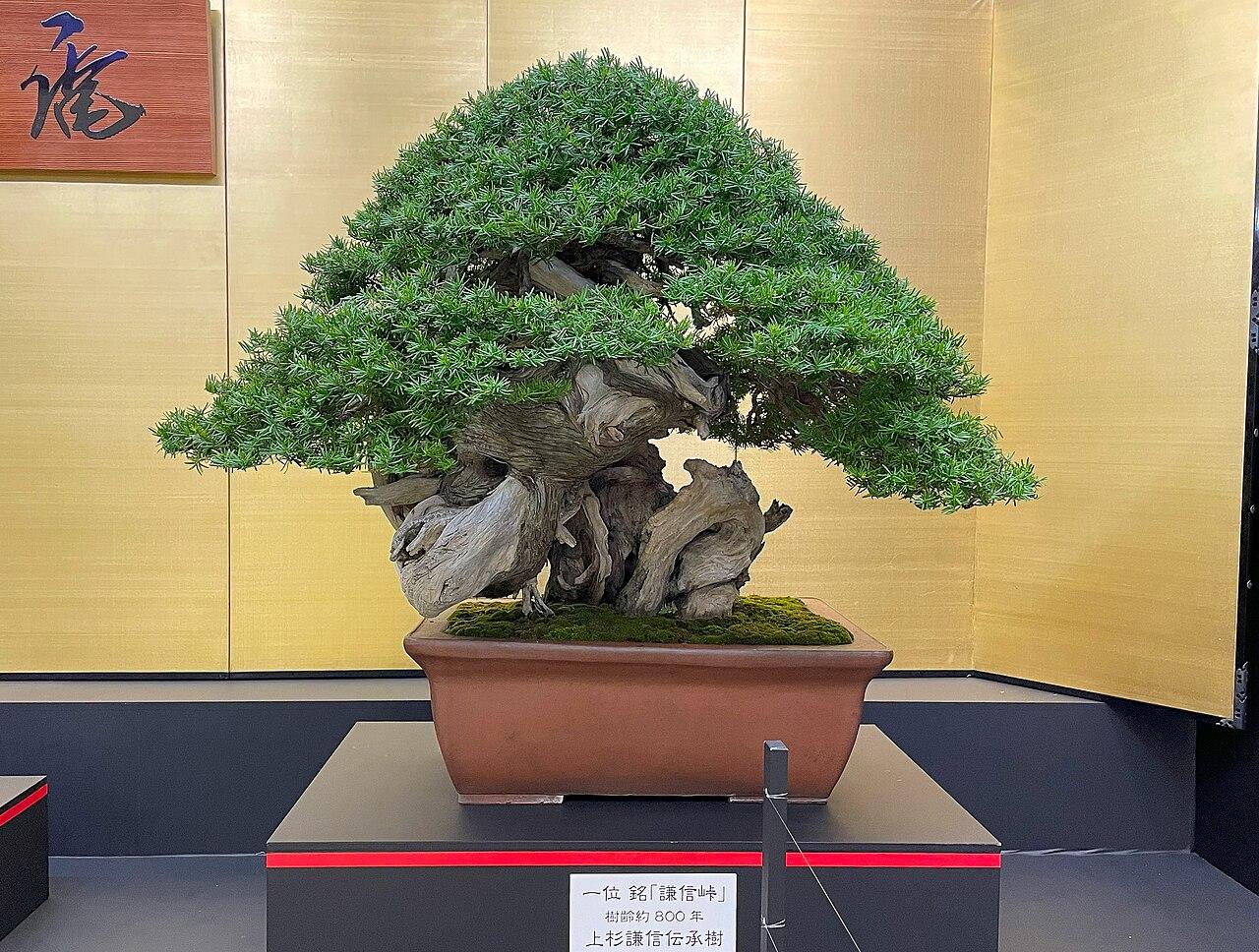
Choosing Your First Bonsai: What Actually Matters
Most first bonsai die within a year, and it is almost never a styling failure. It is buying a tree that cannot live where you intend to keep it.
Bonsai Wiring: How to Shape a Branch Without Scarring It
Wire is how a bonsai gets its shape, and it is also how beginners permanently mark a trunk. The technique is not difficult — the timing and the removal are what people get wrong.
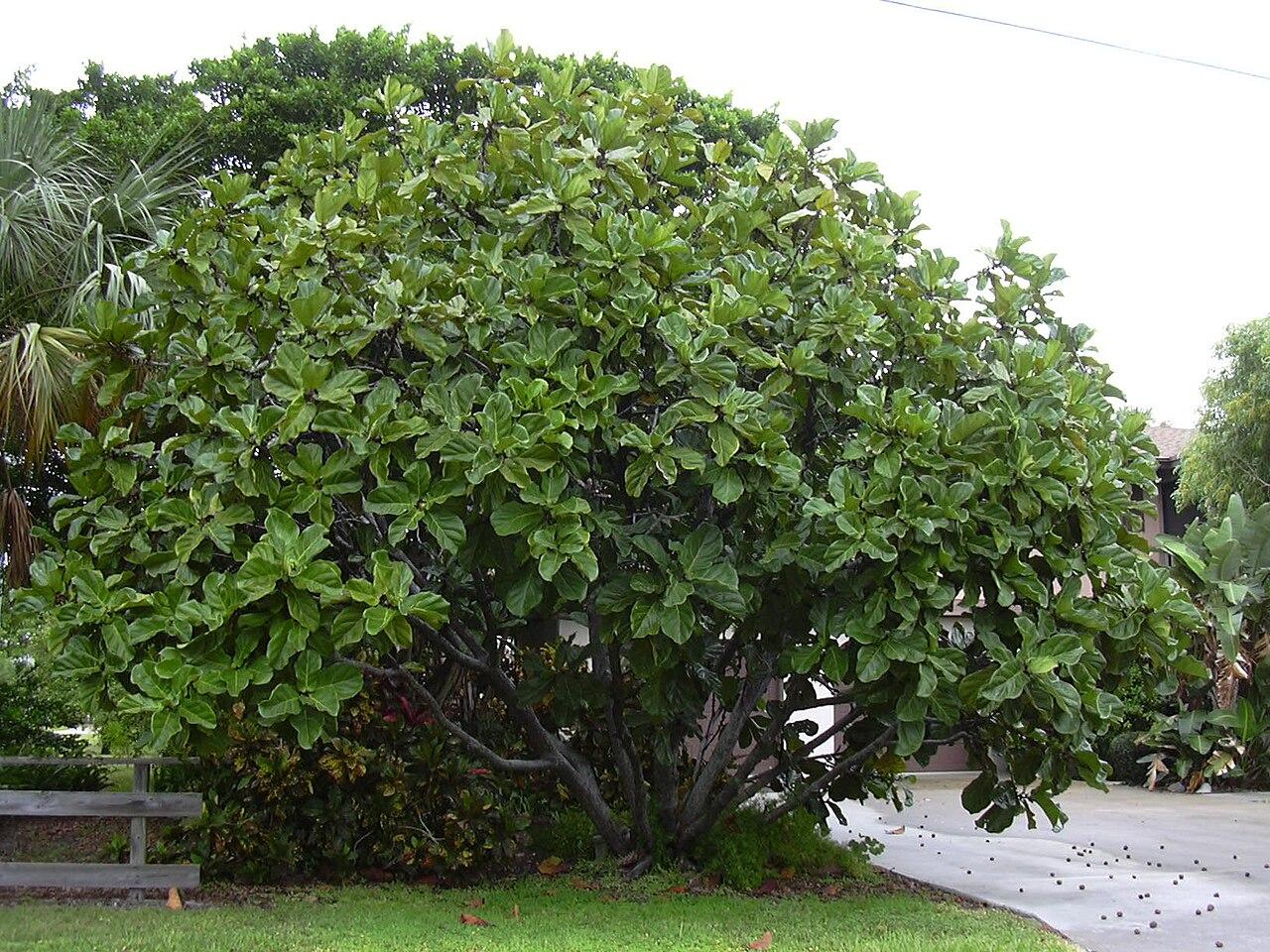
Fiddle Leaf Fig Care Without the Drama
Ficus lyrata has a reputation for being temperamental. It isn't, particularly — it just hates being moved and shows every mistake on leaves that stay on the plant for years.