Jade Plant: How to Grow One That Looks Like a Tree
Crassula ovata is sold as a small round bush and is capable of becoming a thick-trunked miniature tree that outlives you. The difference is light, restraint with water, and cutting it far earlier than feels comfortable.
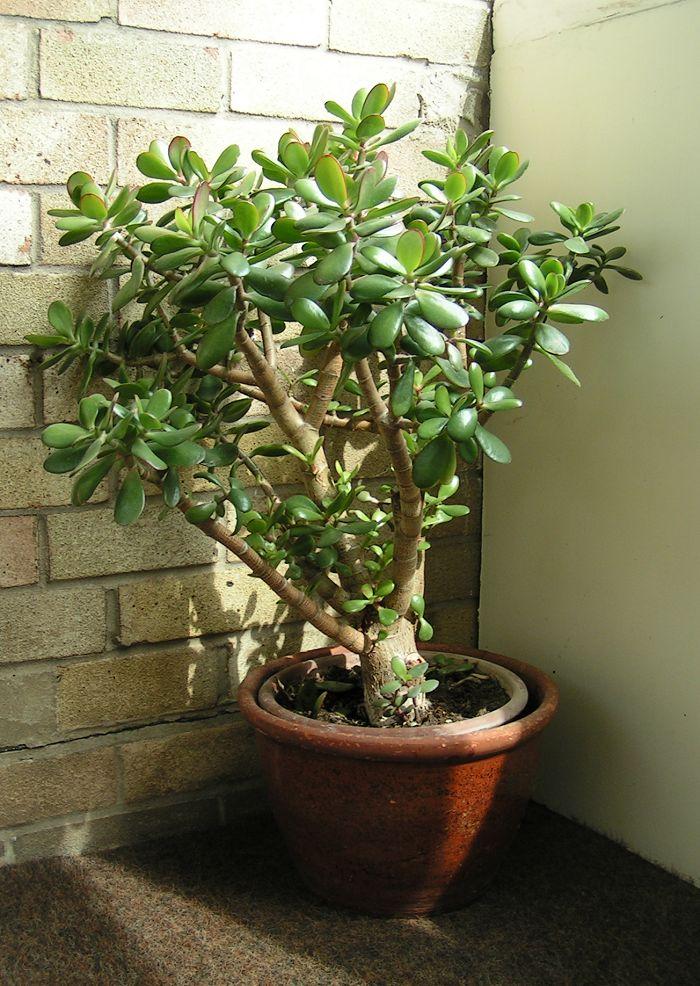
Photo: Crassula ovata by author is sannse. · CC BY-SA 3.0 · via Wikimedia Commons
01What you are actually growing
Crassula ovata is a woody succulent shrub from the Eastern Cape and KwaZulu-Natal in South Africa, where it grows into a dense multi-stemmed plant two or three metres tall on rocky slopes. Indoors it stays much smaller, but it keeps the two traits that make it interesting: it lays down real bark over time, and it lives for decades. Plants passed down through families are common, and there is no reason a well-kept jade should not outlast its owner.
It is also a CAM plant, meaning it opens its stomata at night rather than during the day to conserve water. That has a practical consequence: it will not respond to a hot dry room by transpiring harder, and it copes with drought by simply shutting down. What it cannot cope with is a root system that stays wet.
The leaves are the water store, and reading them is most of the care. Firm, glossy and plump means well hydrated. Slightly soft and finely wrinkled means it has drawn on the reserve and is ready for water. Translucent, squashy and yellowing means water has already done damage.
02Light: the whole difference between a bush and a tree
Give a jade the brightest position you have. Four to six hours of direct sun through glass is the target, and a south or west window is ideal. It is one of very few common houseplants that will take unfiltered sun indoors year-round without complaint.
In good light, the internodes stay short, the stems thicken and lignify, the leaves stay compact and take on a red or bronze edge, and the plant holds itself upright. In poor light, the internodes stretch, the stems stay soft and green, the leaves get larger and thinner, and the whole plant flops outwards under its own weight. The second outcome is not reversible on the growth already made — you can only cut it off and grow better growth in better light.
The red edging is worth understanding rather than worrying about. It is anthocyanin, produced as a sunscreen when light is strong, and it indicates a plant working at the upper end of its comfortable range. That is where you want it. Bleached white or papery patches, by contrast, are genuine sunburn, and those appear when an indoor-grown plant is moved outdoors in summer without a fortnight of gradual acclimation.
03Water: the single thing that kills them
Soak thoroughly until water runs from the drainage hole, then let the medium dry out completely before watering again. In a bright warm room that means roughly every two to three weeks in summer and every four to six weeks in winter. Those numbers are a starting point, not a schedule.
The classic symptom of overwatering in a jade is counterintuitive: leaves dropping off at the slightest touch, often still plump and green. People read that as thirst and water more, which finishes the plant. A thirsty jade wrinkles and softens; it does not shed healthy leaves.
Water at the medium, not over the plant, and never leave the pot standing in a full saucer. In winter, in a cool room, err heavily toward too little — a jade at 12°C in damp compost is the most reliable way to rot one.
Feed sparingly: a balanced or cactus fertiliser at half strength two or three times across the whole growing season is plenty. Overfeeding produces soft, pale, fast growth that flops and never thickens.
| What you see | Cause | What to do |
|---|---|---|
| Plump leaves dropping at a touch | Overwatering | Stop watering; check roots for rot |
| Wrinkled, softening leaves | Thirsty — normal | Water thoroughly |
| Yellow, translucent, mushy leaves at the base | Root rot underway | Unpot, cut away rot, dry, repot in gritty mix |
| Long floppy stems, widely spaced large leaves | Not enough light | Move to a sunnier window; prune back |
| Red or bronze leaf margins | Strong light — desirable | Nothing |
| White papery patches | Sunburn from an unacclimated move | Shade it; damage is permanent |
| Black spots on leaves | Usually cold damage or fungal from wet foliage | Improve air flow, water at the base |
04Pruning into a tree
A jade left alone grows as a sprawling bush that eventually collapses under its own weight. The tree form that people admire is entirely made by pruning, and the technique is straightforward: cut a stem just above a pair of leaves, and the two buds in those leaf axils both shoot, turning one stem into two.
Do it in spring or early summer so the plant has the season to respond. Start earlier than feels reasonable — a jade pruned when young develops a thicker, better-tapered trunk than one left to grow tall and then cut back.
Work from the bottom up. Decide where you want the trunk to be clear and strip the leaves and small side shoots from that section, which encourages the stem to thicken and bark up. Then choose which branches above it to keep, aiming for ones that grow outwards and upwards rather than crossing.
Cuts heal into small round scars that darken and blend into the bark within a year. Let the cut dry rather than sealing it, and do not water for a few days afterwards.
Patience is the constraint. A trunk thickens by perhaps a millimetre or two a year indoors, faster if summered outside. What you are doing with each cut is deciding what the tree will look like in a decade.
05Potting, and turning one plant into many
Use a heavy pot. A mature jade is genuinely top-heavy and a light plastic pot will tip. Terracotta suits it, both for weight and for the faster drying that clay walls provide, and a wide shallow shape is better than a deep one because the roots are not deep.
The medium should be mostly mineral — roughly half cactus or peat-free compost and half coarse grit, perlite or pumice. Repot every two to three years, in spring, one size up, and do it when the plant is dry rather than freshly watered.
Propagation is close to automatic, and unlike aloe, jade does root from a single leaf.
- Stem cuttings — the fast method — Cut a 10–15 cm branch, strip the lower leaves, and leave it somewhere dry and shaded for three to seven days until the cut end has callused. Then push it into barely damp gritty mix and do not water for another week. Roots in three to five weeks.
- Leaf propagation — the slow method — Twist a whole leaf off cleanly at the stem, callus it for a few days, and lay it on the surface of dry gritty mix. Mist very occasionally. A tiny plantlet forms at the base over one to three months, and the parent leaf shrivels as it is consumed.
- Why callusing matters — A fresh cut placed straight into damp medium rots far more often than it roots. The few days of drying is the difference between most cuttings taking and most failing.
- Do not water the cutting in — Unlike almost every other cutting, succulent cuttings should go into dry or barely damp medium and stay there until roots have formed.
Frequently asked questions
- Why is my jade dropping leaves?
- If the leaves are plump when they fall, overwatering. If they are shrivelled, it has been too dry for too long. If it is a few lower leaves over months, that is normal ageing as the trunk clears.
- Will my jade ever flower?
- Possibly. Mature plants flower in winter with small white or pink star-shaped blooms, but they need a genuinely bright position, a cool dry autumn rest and several years of maturity first.
- My jade has gone leggy. Can I fix it?
- Not the existing growth, but you can cut it back hard in spring and regrow it in better light. Use the removed pieces as cuttings, so nothing is wasted.
- Is a 'money plant' the same thing?
- Jade is one of several plants called money plant. Confusingly, the name is also used for Epipremnum aureum (pothos) and Pilea peperomioides, which want entirely different care.
Marcus Hale
Contributor — soil & propagation
Marcus spent six years in a wholesale nursery mixing media by the cubic metre before moving to container growing at home. He covers potting mixes, repotting and the unglamorous half of plant care.
Keep reading
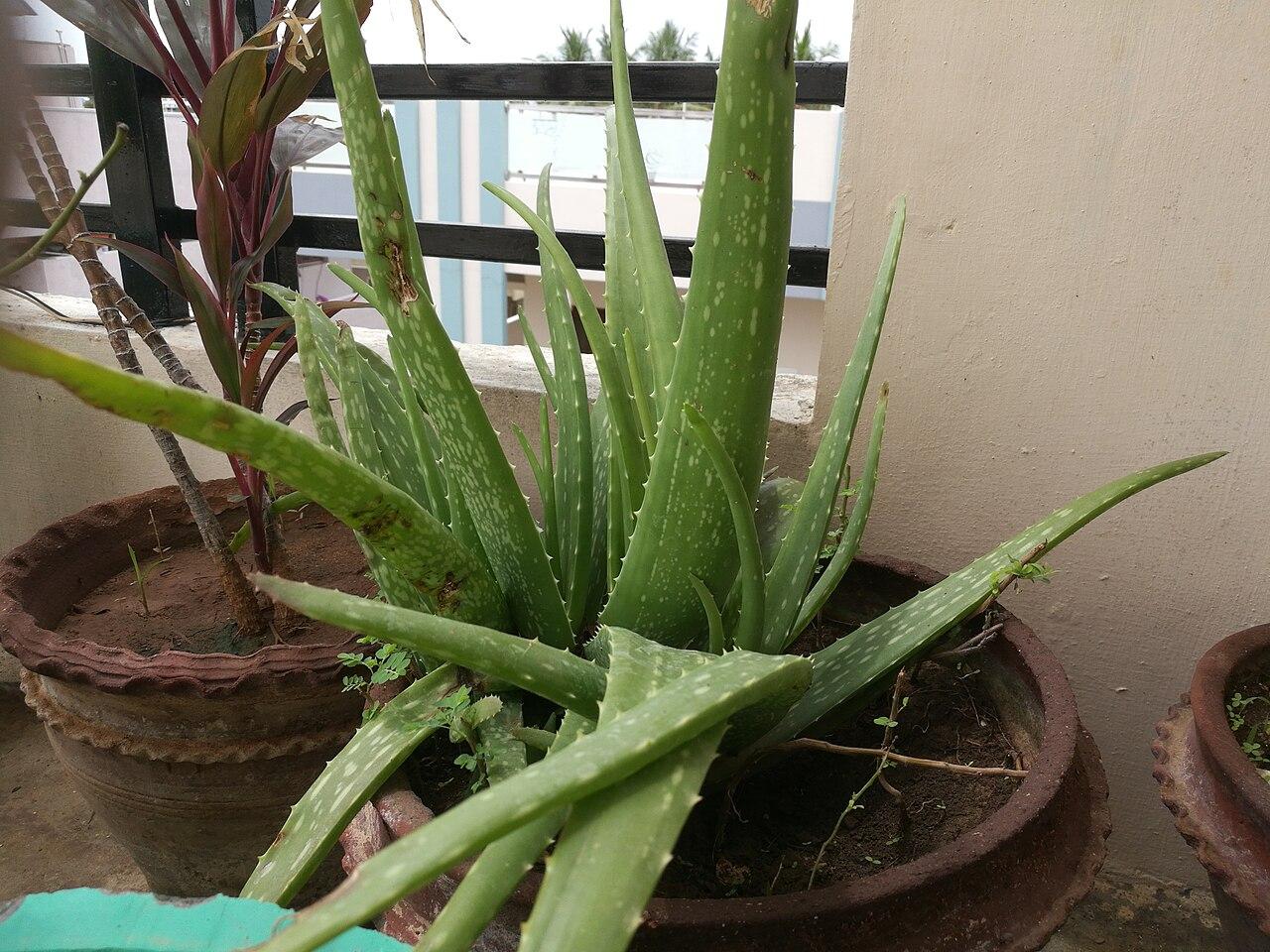
Aloe Vera: The Succulent Most People Drown
It survives neglect for years and dies in a fortnight of attention. Aloe vera is genuinely easy once you accept that almost everything it needs from you is something you do not do.
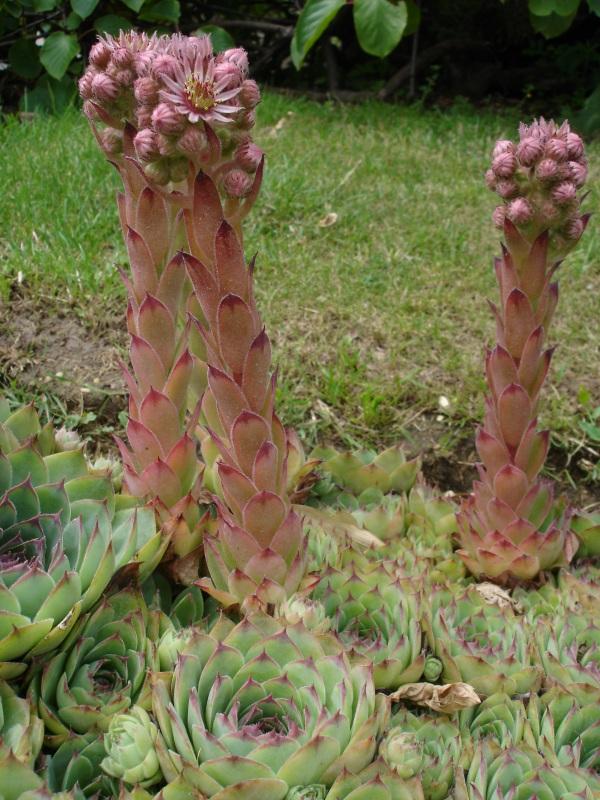
Why Your Succulent Is Stretching — and What You Can Still Do
The rosette opens up, the stem lengthens, the leaves point downward and get further apart. That is etiolation, it is always a light problem, and it does not reverse. But the plant is fixable.
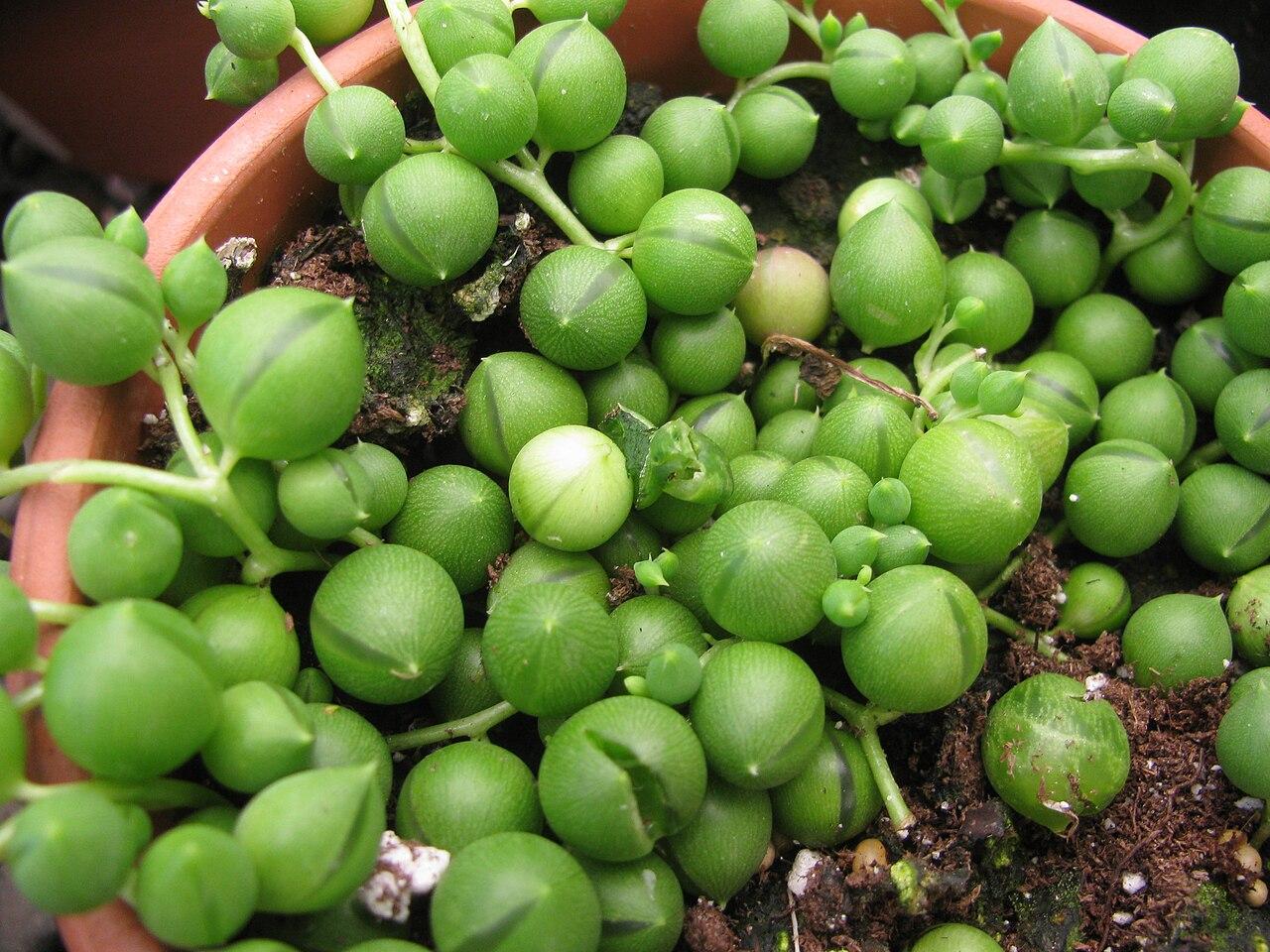
String of Pearls and the Other Trailing Succulents That Keep Dying
Curio rowleyanus is bought on sight and lost within months, almost always the same way: a deep pot, a shaded shelf, and water reaching a stem that was never meant to be wet.