Watering Bonsai: The Skill That Decides Everything Else
A bonsai holds perhaps a litre of open, fast-draining medium and carries a full-sized tree's worth of leaves on top of it. Nothing else you do matters if the watering is wrong, and no schedule survives contact with real weather.
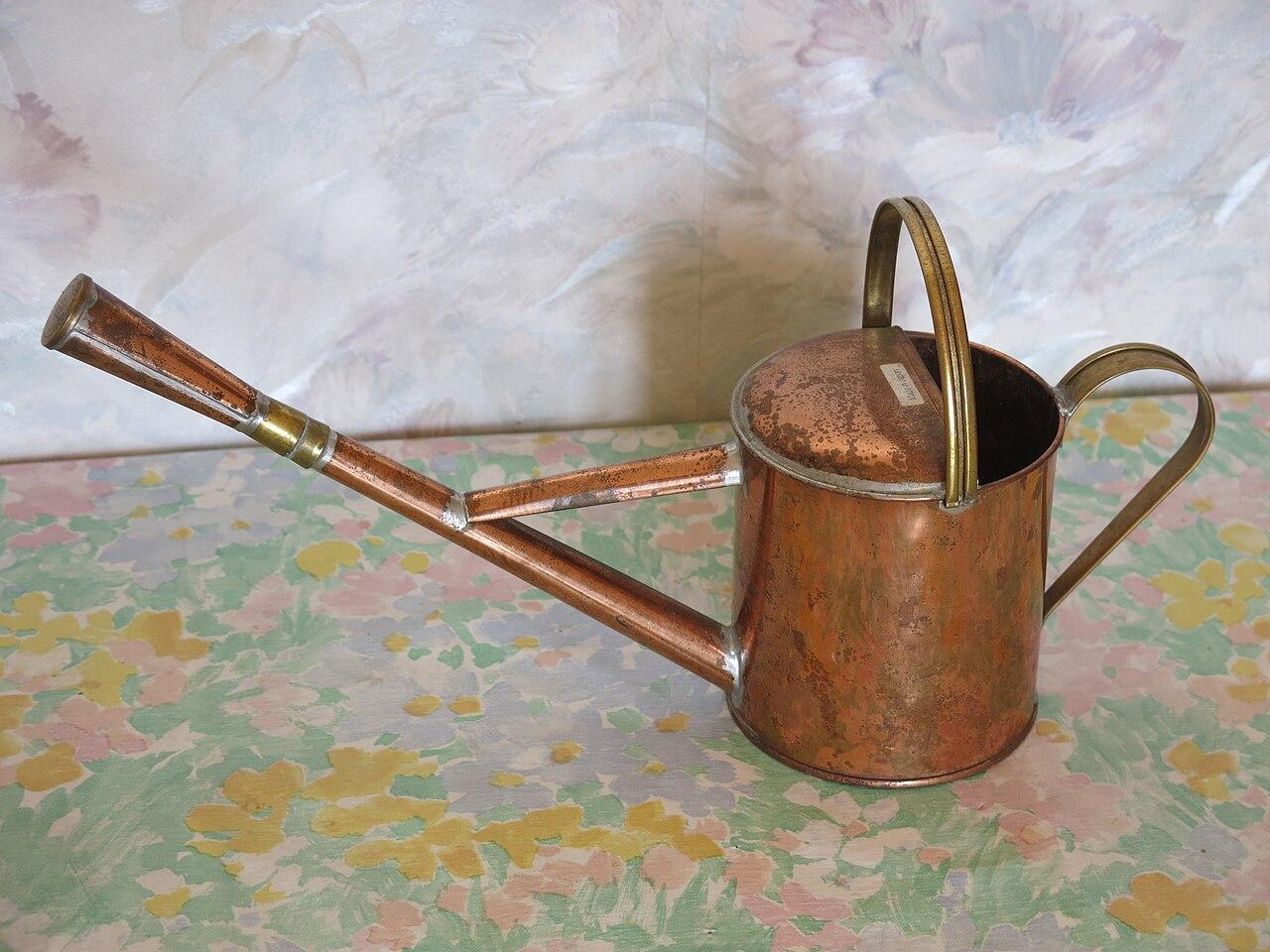
Photo: Bonsai watering can by Tangopaso · Public domain · via Wikimedia Commons
01Why the pot changes the rules
A garden tree draws on a root system spread through cubic metres of soil, buffered against a week without rain. A bonsai has a shallow ceramic tray holding a litre or two of coarse mineral granules, deliberately chosen to drain within seconds, sitting outdoors in wind and sun with a full canopy transpiring above it.
That combination means the reservoir is tiny and the demand is not. On a hot windy day in midsummer a small tree can empty its pot between breakfast and mid-afternoon, and once the fine roots dry they die — not wilt, die. Deciduous species show it within a day as scorched leaf margins; conifers hide it for weeks and then go brown all at once, by which point nothing can be done.
This is the reversal that catches houseplant growers. Indoors, overwatering is the usual killer because compost holds water for weeks. In bonsai, with an open mineral medium in a pot outdoors, the medium cannot stay waterlogged for long, and the far more common cause of death is a pot that went dry while nobody was looking.
It is also why watering is treated as a craft rather than a chore. The traditional line about apprentices spending years learning to water is not mysticism — it is an accurate description of how much judgement the job actually takes.
02When to water: the daily check
Check every tree, every day, and more than once a day in hot weather. The check itself takes seconds, and the answer changes with the weather, the season, the species, the pot and how recently the tree was repotted.
Look at the surface of the medium. Freshly watered akadama is dark brown; as it dries it turns pale and matte. That colour change is the most reliable everyday signal you have. Confirm it by pressing a finger about a centimetre into the surface, or by lifting the pot — a watered pot is noticeably heavier, and after a few weeks you will know the difference by feel alone.
Water when the surface has begun to dry but the medium below is still slightly damp. Do not wait for it to dry through, and do not water a pot that is still visibly wet — repeated watering of an already-wet pot in cool weather is the one way you can rot roots in bonsai soil.
The one moss caveat: a thick moss layer looks green long after the medium beneath it has dried, and it will lie to you. Push a finger through it rather than judging by the moss.
03How to water properly
Use a watering can with a fine rose, or a hose fitting that produces a soft shower. A hard jet displaces the surface medium, exposes roots and compacts what is left.
Water the whole surface until water runs freely from the drainage holes. Then wait a minute and do it again. The first pass wets the surface and often runs straight down the gap between the root ball and the pot wall; the second pass, applied to already-damp medium, is what actually soaks the root mass. On a very dry pot, go round three times.
Water in the early morning where you can. That fills the tree before the day's demand, and it leaves the foliage dry going into the night, which reduces fungal problems. Evening is the second-best option in hot weather. Watering at midday in full sun is not harmful in the way folklore claims, but far more of it evaporates before it does any good.
For a pot that has gone genuinely bone dry and now repels water, immersion is the fix: stand the whole pot in a tray of water up to the rim until bubbles stop rising, then drain it. Use this as a rescue, not as routine — done habitually it flushes nothing through the pot and lets salts accumulate.
| Conditions | Typical frequency | Watch for |
|---|---|---|
| Midsummer, hot, windy, in leaf | Once or twice daily | Small pots drying out by afternoon |
| Spring and autumn, mild | Daily to every other day | Cool wet spells — check before watering |
| Winter, deciduous, dormant | Every 3–10 days | Wind drying pots even in the cold |
| Winter, conifers and evergreens | Every 2–7 days | Frozen medium; water when it thaws |
| Freshly repotted, any season | Keep just damp | Never soaking — fewer roots are drinking |
| Indoor tropicals (ficus and similar) | Every 2–5 days | Central heating drying pots quickly |
04Water quality, and when it matters
For most trees in most places, tap water is fine. Bonsai are watered so freely and so often that salts get flushed through the pot regularly, which is the main protection against build-up.
Hard water is the exception worth managing. In a hard-water area, calcium carbonate accumulates on the surface of the medium and on the pot as a white crust, and over years it raises the pH of the root zone. Species that want acidic conditions — azaleas above all, and to a lesser extent pines and some maples — decline slowly under it. Rainwater is the answer, and a butt under a downpipe is the cheapest piece of bonsai equipment there is.
Collected rainwater is better for every tree, not only the fussy ones, and in summer a full butt costs nothing to use. Do not use softened water from an ion-exchange softener, which trades calcium for sodium and is worse for plants than the hard water it replaced.
Water temperature matters more than people expect in summer: a hose that has been lying in the sun can deliver genuinely hot water to shallow pots. Run it off until it is cool before watering.
05Holidays, heatwaves and the things that go wrong
The most common way a collection is lost is a fortnight away in August. Automatic irrigation on a timer is the reliable answer, and a simple micro-drip kit with one emitter per pot costs very little. Test it for a week before you leave, because a blocked emitter you have not noticed is worse than no system at all.
Without irrigation, the fallback is to move every tree into full shade, group the pots together on a bed of damp sand or gravel, and ask someone to water — with instructions to soak everything thoroughly rather than sprinkle. A tree in shade for two weeks loses a little vigour; a tree in sun for two dry days can be dead.
During a heatwave, shade is the intervention that matters, not extra water. Shade cloth or simply moving pots east of a wall cuts transpiration far more effectively than a third watering, and it protects the fine roots at the pot edge, which cook when a dark ceramic pot sits in full afternoon sun.
Watch for the symptoms that mean you have already got it wrong. Crisp brown leaf margins on deciduous trees and a general dullness in conifer foliage point at drought. Yellowing leaves with soft mushy roots and a persistently wet pot mean the medium has broken down and is no longer draining, which is a repotting problem rather than a watering one.
- New trees dry faster than you expect — A tree bought in a small pot with dense nursery soil sometimes repels water. Water it twice, and consider immersion until you can repot it into a proper mix.
- Wind dries pots more than heat — A breezy 18°C day can empty a pot faster than a still 28°C one. Check after windy days regardless of temperature.
- Winter is not a holiday — Dormant trees still lose water, especially evergreens in cold wind. More trees are lost to winter desiccation than to cold itself.
- Do not water frozen soil — It cannot absorb, and the run-off freezes. Wait for a thaw and water in the middle of the day.
Frequently asked questions
- Should I mist the foliage?
- It is useful for freshly repotted trees and for indoor tropicals in dry heated rooms, because it reduces water loss from the leaves. It is not watering, and it does nothing for the roots.
- Can I stand my bonsai in a saucer of water?
- No. A saucer keeps the base of the medium permanently saturated, which suffocates the lowest roots. If a pot dries too fast, move it to shade or repot it into a slightly more retentive mix instead.
- How do I know if I have overwatered?
- In proper bonsai soil, genuine overwatering is difficult unless the medium has broken down. If a pot stays wet for days, sniff the drainage holes and lift the tree — sour smell and dark mushy roots mean the medium has collapsed and needs replacing.
- My tree dried out completely. Is it dead?
- Not necessarily. Soak the pot by immersion, move it into deep shade, mist the foliage, and wait three to four weeks. Scratch a small patch of bark: green underneath means it is alive. Do not fertilise or prune while it recovers.
Lan Nguyen
Balcony grower & founding editor
Lan has kept ornamental plants on a 12 m² apartment balcony for eight years, mostly tropical foliage and small-scale bonsai. She writes the care and comparison guides here, and has killed enough plants to be specific about how.
Keep reading
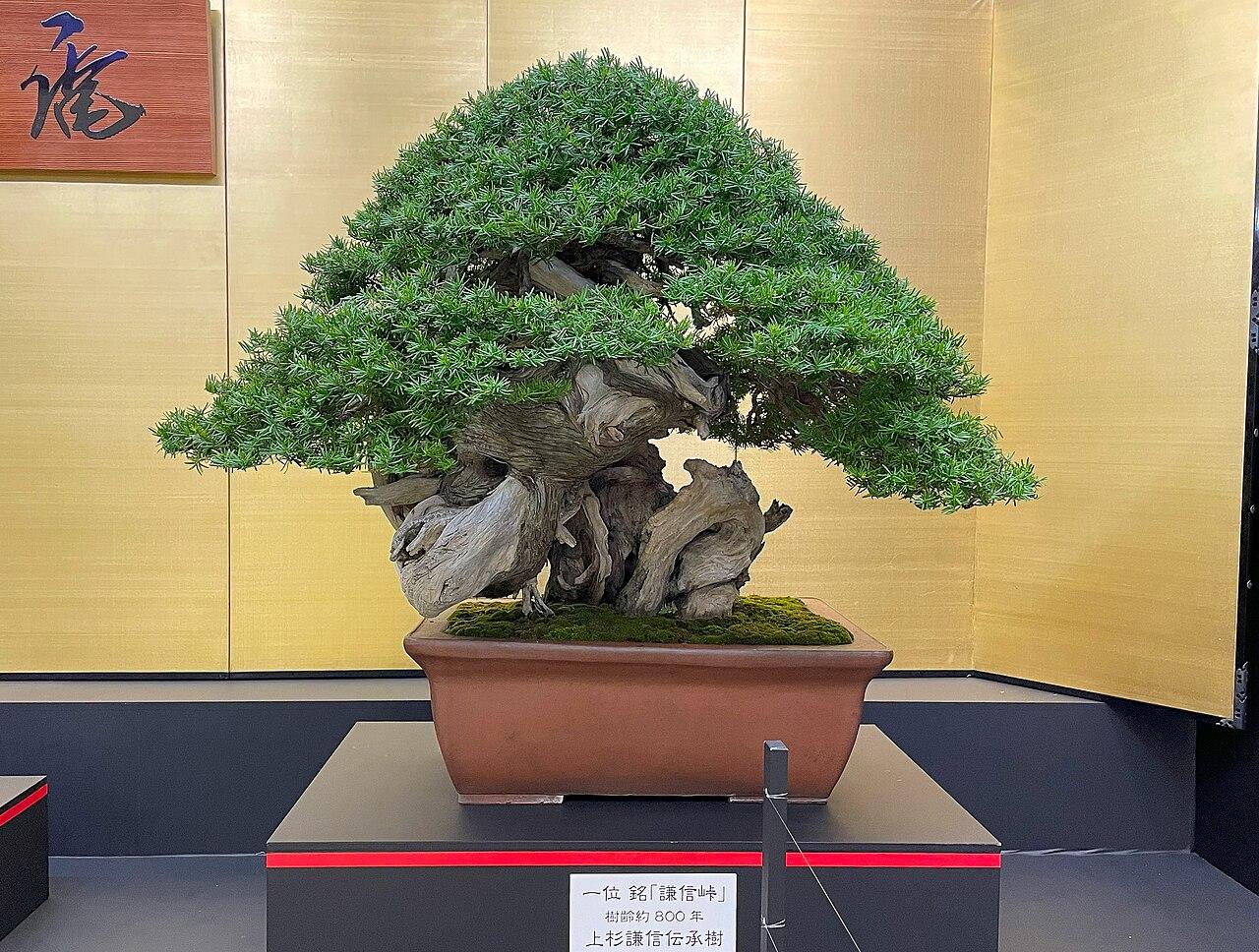
Choosing Your First Bonsai: What Actually Matters
Most first bonsai die within a year, and it is almost never a styling failure. It is buying a tree that cannot live where you intend to keep it.
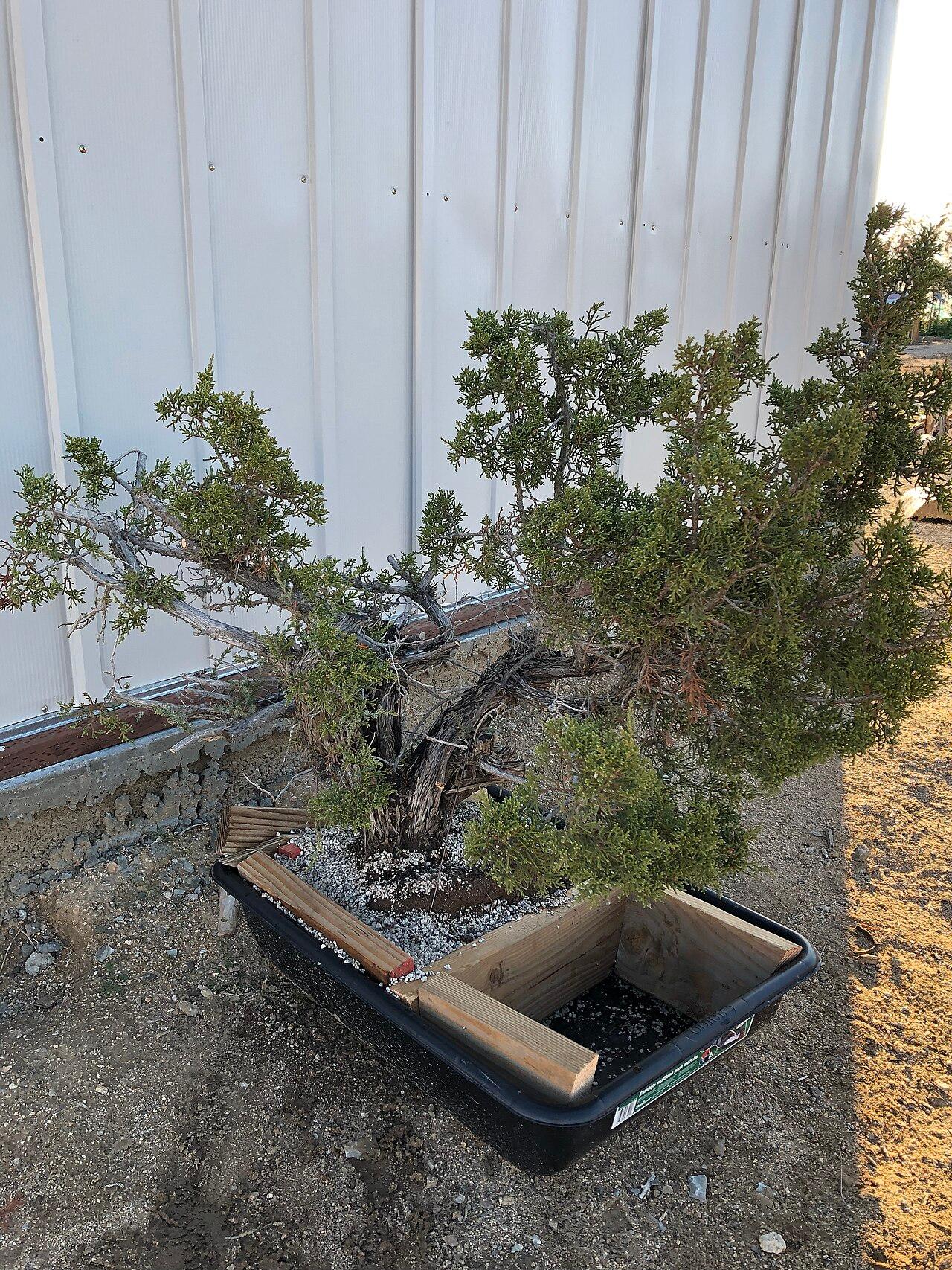
Starting a Bonsai from Nursery Stock, Cheaply
A finished bonsai costs what a piece of furniture costs. A shrub from the back of a garden centre costs the price of lunch, and the trunk you can find in one is often better than anything at that price in a bonsai pot.
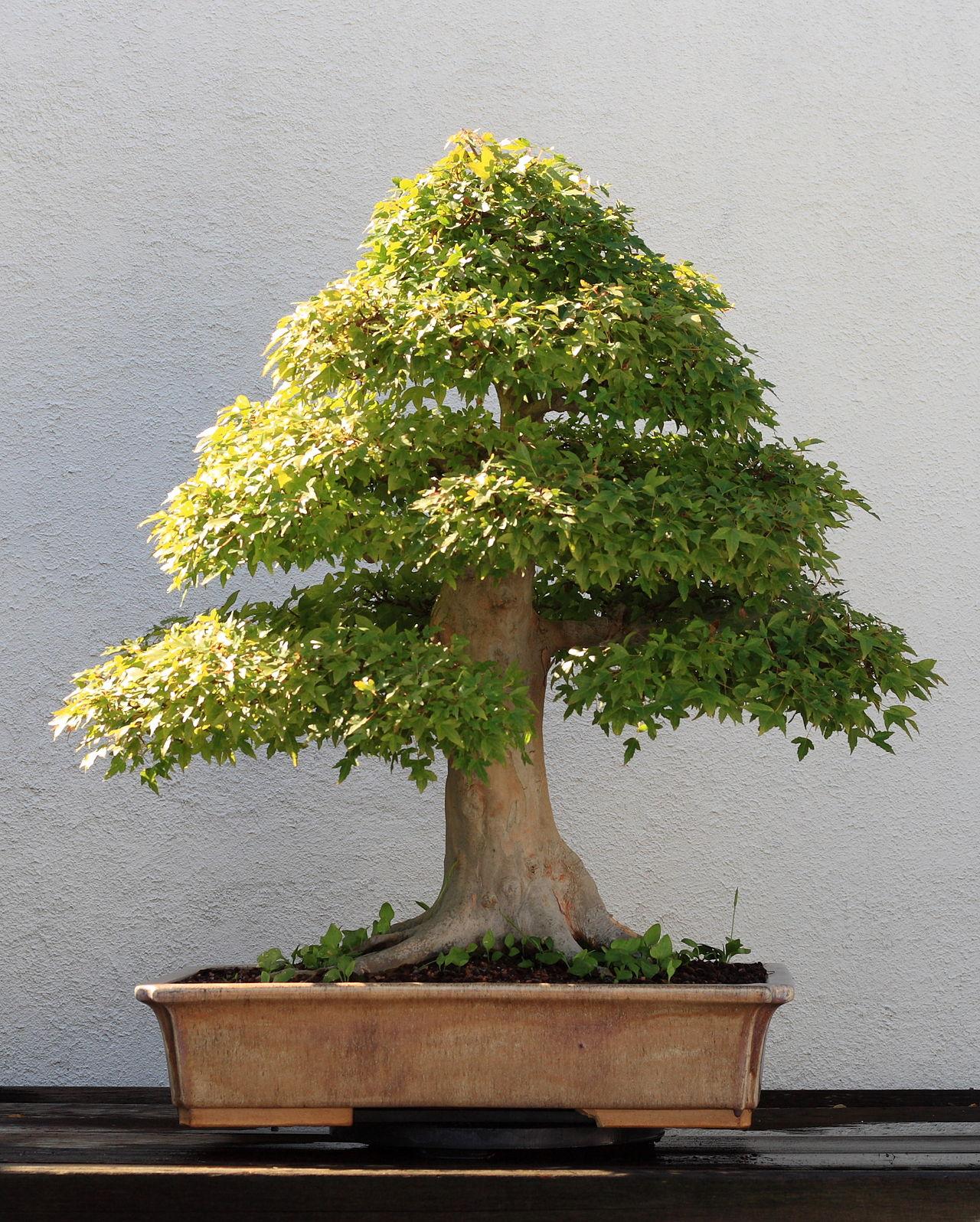
Bonsai Repotting: The Root Work That Keeps a Tree Small
The pot never gets bigger, so the roots have to get smaller. Repotting is not about giving a bonsai more room — it is the scheduled renewal that keeps a tree alive in a container the size of a dinner plate.