Pruning for Ramification: How a Bonsai Gets Its Fine Branching
Wiring sets a branch's direction. Pruning is what turns that branch into the dense twiggy structure that makes a small tree read as an old one — and it works by exploiting one hormone gradient over and over.
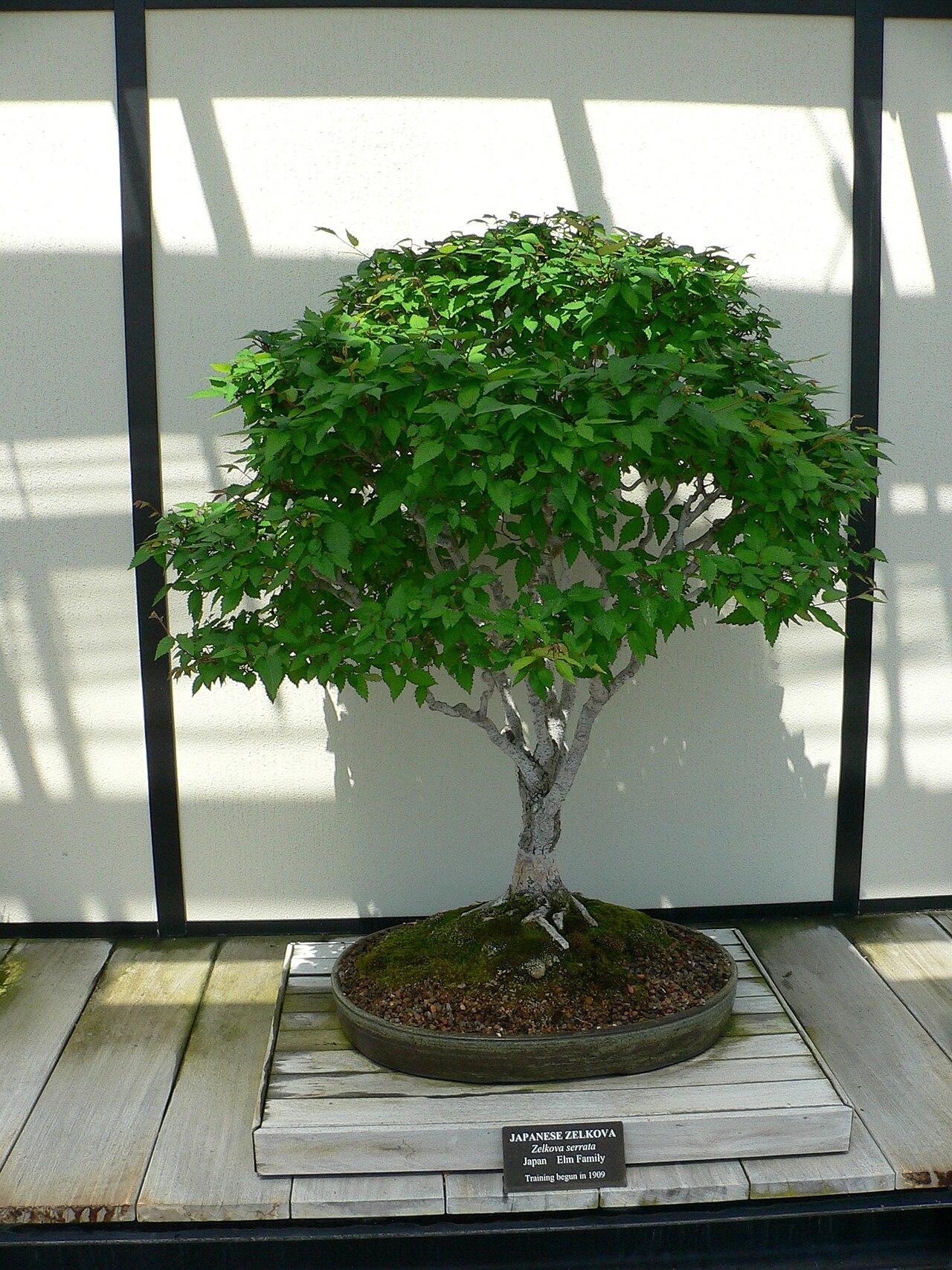
Photo: Zelkova bonsai by Mark Pellegrini · CC BY-SA 2.5 · via Wikimedia Commons
01The one mechanism behind all of it
A growing shoot tip produces auxin, which travels down the stem and suppresses the buds below it. That is apical dominance, and it is why an unpruned tree grows longer and longer at the ends while the interior stays bare. It is also the entire lever bonsai pruning pulls.
Cut the tip off and the auxin supply stops. Within days the buds behind the cut — dormant until then — begin to swell, and where you had one shoot you now have two or three. Do that repeatedly across a whole tree over several seasons and a coarse branch becomes a fine twiggy structure. That is ramification, and it is what separates a bonsai from a small tree in a pot.
Understanding the mechanism rather than memorising rules answers most of the questions that come up. Why does cutting the top produce branching lower down? Because you removed the source of suppression. Why does a weak shaded branch never thicken? Because it is not producing enough of its own growth to compete. Why does defoliation increase density? Because removing leaves resets the whole cycle and forces a second flush in one season.
It also sets the limits. Species that do not carry dormant buds on old wood — pines, junipers, most conifers — cannot be made to back-bud by cutting alone, which is why the techniques below apply mainly to deciduous and broadleaf trees.
02Two different jobs: structural and maintenance
The commonest beginner mistake is doing both at once, or doing the wrong one at the wrong time of year. They have different purposes, different timing and different consequences.
Structural pruning removes whole branches to establish the tree's design. It creates large wounds, changes the silhouette permanently, and is done rarely — once when a tree is first styled, and then only occasionally. The window is late winter to early spring for most deciduous species, before the buds move, so the tree has a full season to heal and respond. Cut cleanly with concave cutters so the wound heals flush rather than as a lump.
Maintenance pruning shortens shoots to build density and hold the outline. It creates tiny wounds, is done repeatedly through the growing season, and is where ramification actually comes from. It is the everyday work of keeping a tree.
Doing structural pruning in midsummer wastes a season of growth. Doing maintenance pruning in midwinter achieves nothing, because there is no growth to redirect. Getting the two straight is worth more than any individual technique.
| Structural pruning | Maintenance pruning | |
|---|---|---|
| Purpose | Set the design; remove whole branches | Build density; hold the silhouette |
| Timing | Late winter to early spring, before bud break | Through the growing season, repeatedly |
| Frequency | Rarely — once, then occasionally | Every few weeks in the growing season |
| Tools | Concave cutters, saw | Shears, scissors |
| Recovery | A full season | Days |
03The cut-back cycle that builds density
For deciduous and broadleaf trees, the core routine is simple and endlessly repeated. Let each new shoot extend until it carries four to six leaves. Then cut it back to two. New buds break at the leaf axils behind the cut, and the shoot that was one becomes two.
Waiting for those four to six leaves matters. Cutting too early, while the shoot is still short, gives the tree nothing to work with and weakens the branch. Waiting too long lets the shoot thicken and lengthen, and you end up with long internodes — the bare gaps between leaves — that can never be shortened afterwards. Short internodes are the whole game in ramification, and they are only achievable by timing the cut correctly.
Cut just above a leaf or bud, and pay attention to which one. The new shoot will grow in the direction that bud faces, so cutting above an outward-facing bud sends growth outwards and keeps the pad open. Cutting above an inward-facing bud stuffs growth into the centre of the tree, where it will need removing again.
Repeat every time the shoots reach the four to six leaf stage — perhaps three or four cycles across a growing season on a vigorous species. On strong trees such as Chinese elm or trident maple, visible density increases within two or three seasons of doing this consistently.
04Defoliation and leaf reduction
Defoliation means cutting off all or most of the leaves in early summer, leaving the petioles attached. The tree responds by pushing a second flush, and because that flush grows later in the year with less energy behind it, the new leaves are smaller and the internodes shorter. It also lets light into the interior, which wakes up buds that were shaded out.
It is a powerful technique and an expensive one. The tree spends stored reserves to produce a second set of leaves, so it is strictly for healthy vigorous deciduous trees — maples, elms, hornbeam, beech — in the middle of a strong growing season. Never defoliate a tree in the same year you repot it, never defoliate a conifer, and never defoliate a tree that is recovering from anything.
Partial defoliation is the safer and more useful version. Remove leaves only from the strong upper and outer areas, and leave the weak interior and lower branches fully leafed. That redistributes vigour toward the parts of the tree you want to strengthen, which is usually exactly what a developing bonsai needs.
Leaf cutting — halving large leaves rather than removing them — is a gentler middle option, useful before an exhibition or on species that resent full defoliation.
- Safe to defoliate — Trident and Japanese maple, Chinese elm, zelkova, hornbeam, beech — when vigorous and not repotted that year.
- Do not defoliate — All conifers, and any tree that is weak, newly collected, recently repotted, or in its first year with you.
- Timing — Early summer, once the spring flush has hardened off, leaving the tree enough season to produce and mature the second set of leaves.
- Aftercare — Move into light shade for a fortnight, water carefully — a leafless tree uses far less — and resume feeding only when new leaves are opening.
05Conifers are a different discipline
Everything above assumes a tree with dormant buds along its old wood. Pines and junipers largely do not have them, so cutting a bare branch back produces nothing at all. Their density is built by managing the growth they do produce, not by forcing new buds from old wood.
On junipers, the work is thinning and selective shortening: follow long runners back into the pad and cut them out at a fork, remove downward and interior growth so light reaches inside, and never pinch tips with fingers, which browns the foliage.
On pines, density comes from candle management. Removing or shortening the spring candles reduces needle length and encourages a second flush of buds — but the technique varies sharply between single-flush pines such as Scots and mountain pine and double-flush pines such as Japanese black pine, and applying the wrong one weakens a tree over years.
The practical takeaway for anyone starting out: build ramification skills on a Chinese elm or a trident maple, where the feedback is fast and the tree forgives mistakes, before applying anything to a pine.
Frequently asked questions
- How do I get buds to appear on a bare old branch?
- On deciduous species, cut back to just beyond where you want new growth and let the tree grow freely for a season — vigour is what triggers back-budding. On most conifers it is not achievable, and the branch is best converted to deadwood or removed.
- Can I prune and wire at the same time?
- Yes, and it is often easier to wire after pruning, when the structure is visible. What you should not combine is heavy pruning with root work in the same season on anything but a very strong tree.
- My tree grows long shoots with big gaps between the leaves. Why?
- Long internodes come from too much vigour, too much shade, or letting shoots extend too far before cutting. More light, less nitrogen and earlier cut-backs all shorten them.
- Should I seal pruning wounds?
- On large structural cuts, yes — cut paste keeps the wound from drying out and helps it roll over cleanly. On small maintenance cuts it is unnecessary.
Lan Nguyen
Balcony grower & founding editor
Lan has kept ornamental plants on a 12 m² apartment balcony for eight years, mostly tropical foliage and small-scale bonsai. She writes the care and comparison guides here, and has killed enough plants to be specific about how.
Keep reading
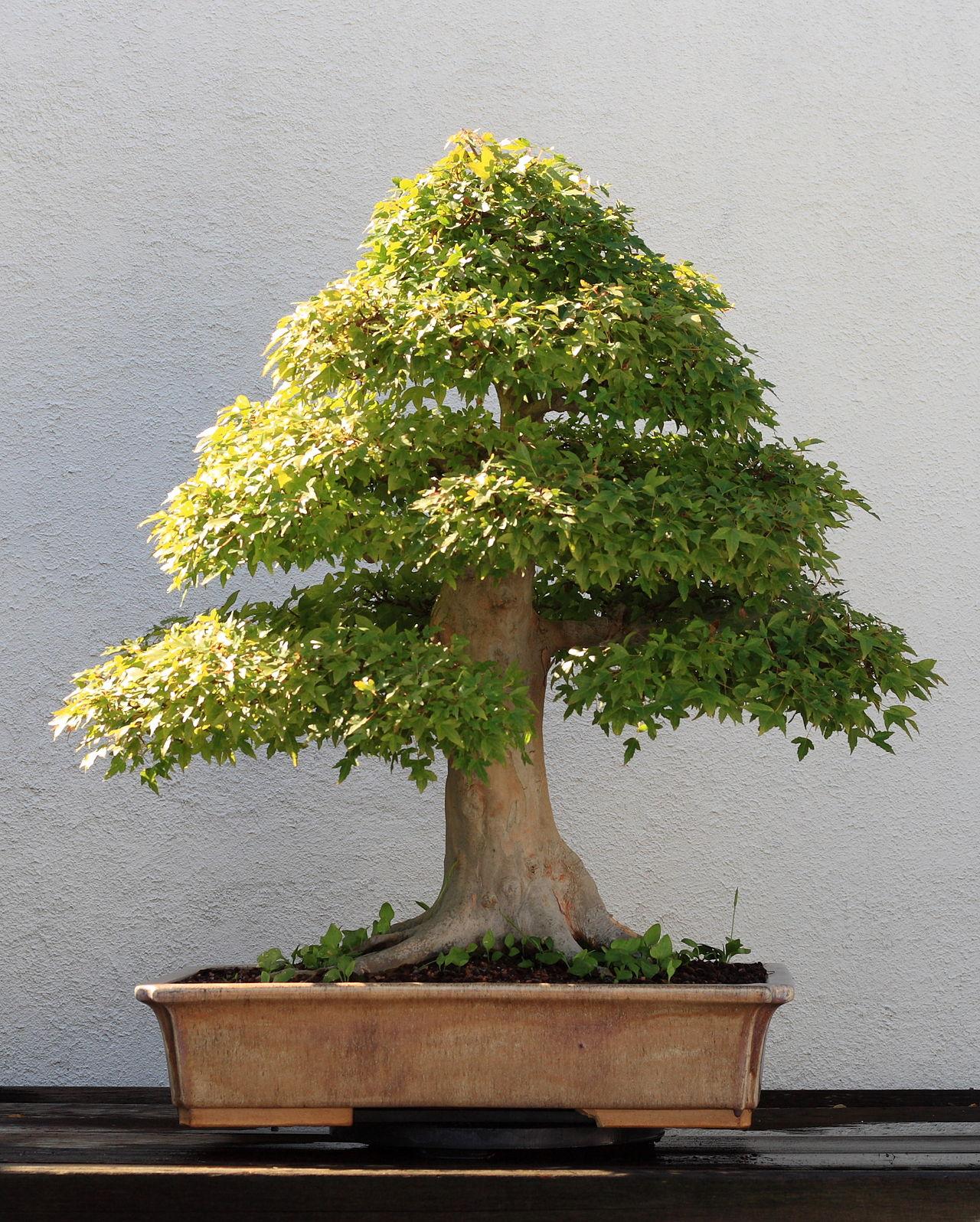
Bonsai Repotting: The Root Work That Keeps a Tree Small
The pot never gets bigger, so the roots have to get smaller. Repotting is not about giving a bonsai more room — it is the scheduled renewal that keeps a tree alive in a container the size of a dinner plate.
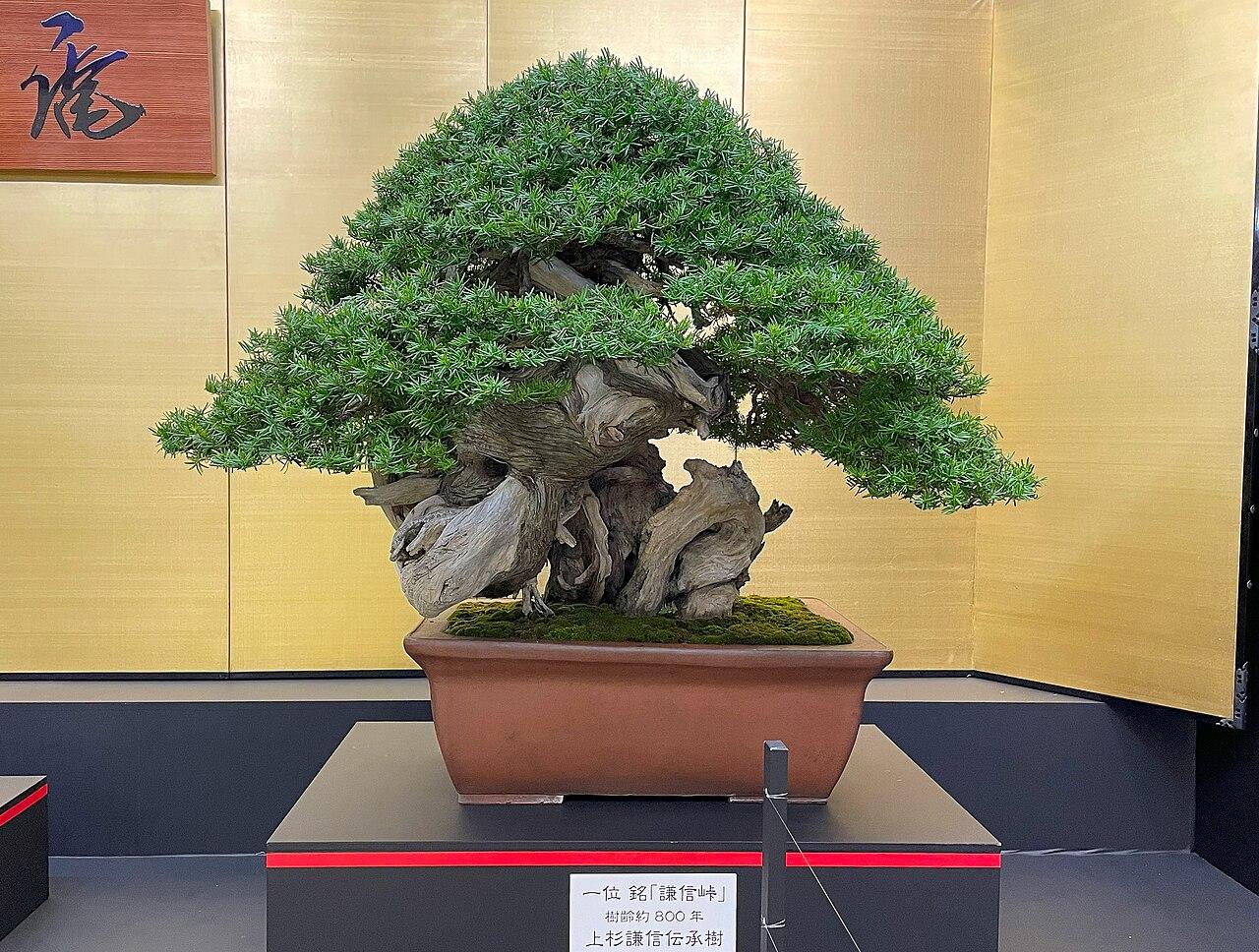
Choosing Your First Bonsai: What Actually Matters
Most first bonsai die within a year, and it is almost never a styling failure. It is buying a tree that cannot live where you intend to keep it.
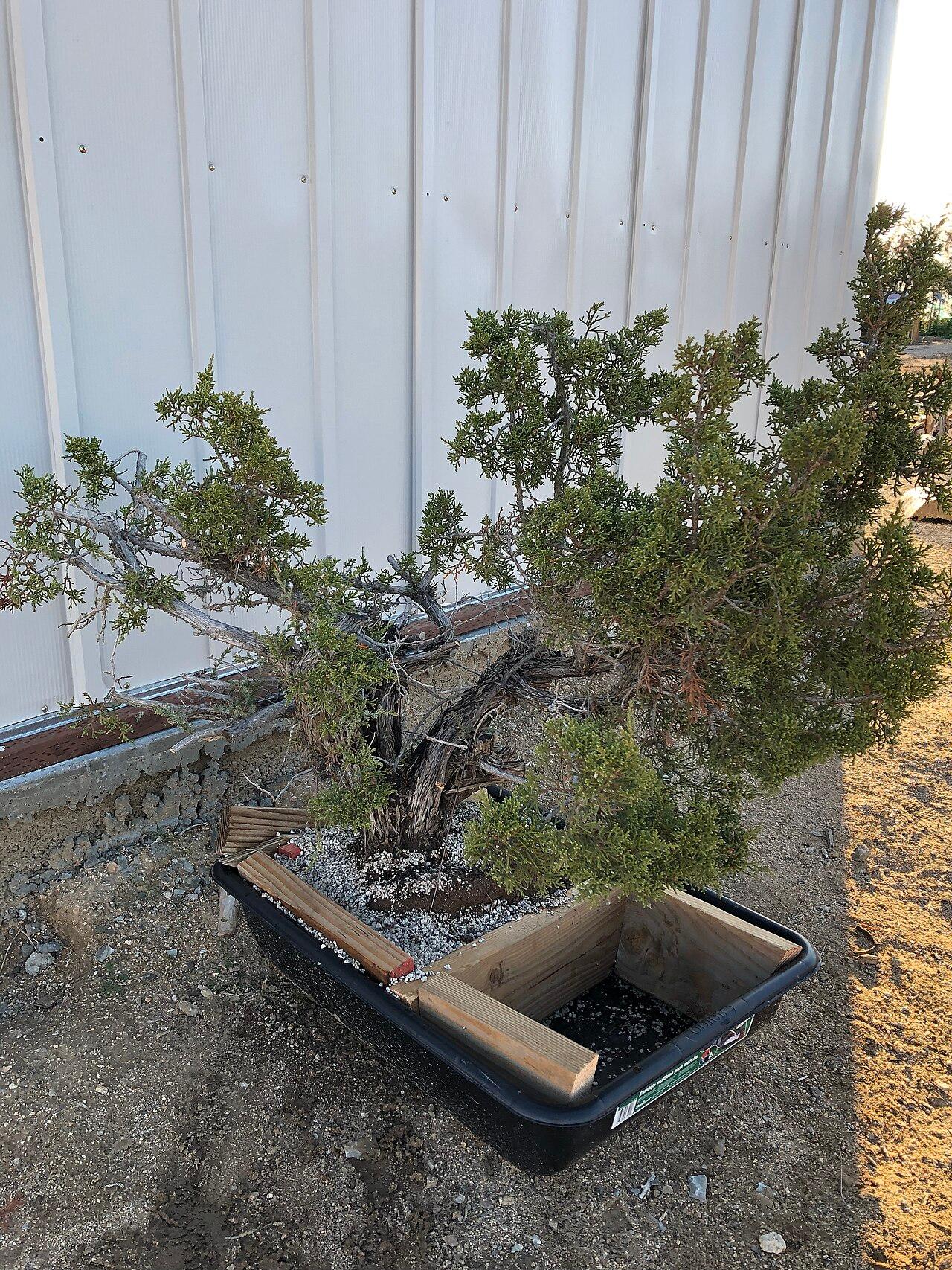
Starting a Bonsai from Nursery Stock, Cheaply
A finished bonsai costs what a piece of furniture costs. A shrub from the back of a garden centre costs the price of lunch, and the trunk you can find in one is often better than anything at that price in a bonsai pot.