Bark, Pumice, Grit and the Rest: A Guide to What Goes in a Mix
Every potting recipe is a base plus amendments. Knowing what each amendment actually does — and which ones do nothing — lets you build a mix for a plant nobody has written a recipe for.
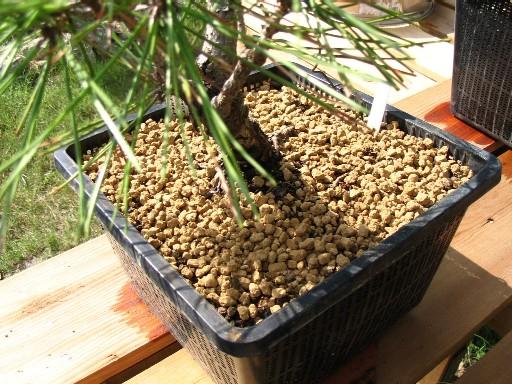
Photo: Akadama by Globalist1789 at English Wikipedia · Public domain · via Wikimedia Commons
01Three jobs, and nothing else
Strip away the marketing and every potting amendment does one or more of three things: it creates air-filled pore space, it holds water, or it supplies nutrients. That is the whole framework, and it makes the shelf of bags much easier to navigate.
The reason this matters is that most homemade mixes are unbalanced in a predictable way. People add perlite for drainage, then pumice for drainage, then grit for drainage, and end up with a mix that drains beautifully and dries out in two days — while wondering why the plant wilts. Or they add coir, worm castings and vermiculite, all of which hold water, and produce a mix that never dries.
A good mix balances the three. As a rough shape for general houseplants: a base of about 60% that holds water and supplies some nutrition — peat-free compost or coir — and about 40% coarse mineral or bark that creates air space. Shift toward mineral for succulents and epiphytes; shift toward the base for moisture-lovers.
The second principle is particle size. Air space in a medium comes from gaps between particles, and gaps only exist if the particles are large enough and reasonably uniform. Anything below about 3 mm tends to fill the gaps created by the larger particles rather than adding to them, which is why a fine amendment can reduce aeration even when the material itself is porous.
02The aerators
These are the amendments that create air space, and they are the ones most mixes need more of. They differ mainly in weight, durability and cost.
- Perlite — Expanded volcanic glass — white, very light, cheap and universally available. Creates excellent air space and holds a little water on its surface. Its faults are that it floats to the top with watering, crushes over time, and produces irritating dust; wet the bag before using it. Best all-round choice for general mixes.
- Pumice — Natural porous volcanic rock. Does the same job as perlite but is heavier, so it stays mixed instead of floating, and it does not crush. It also holds slightly more water internally. More expensive and less widely stocked, and the better choice for succulents, cacti, bonsai and anything top-heavy.
- Orchid bark — Graded pine or fir bark, typically 5–15 mm. Creates large air channels, holds a little water, and breaks down over two to three years, releasing a little nutrition as it does. Essential for orchids and excellent in aroid mixes. Buy graded horticultural bark rather than garden mulch, which is too coarse and often treated.
- Horticultural grit — Crushed stone, usually 3–6 mm, washed and lime-free. Heavy, permanent, and excellent for succulents, alpines and anything that must dry fast. Adds weight and stability to pots. Make sure it is described as lime-free if you grow acid-loving plants.
- Lava rock and scoria — Porous volcanic rock, similar to pumice but denser and often larger. Common in bonsai mixes for the same reasons: permanent structure, good drainage, adds weight.
03The water holders
These retain moisture, and they are useful in the right proportion and disastrous in excess. Most general-purpose mixes already contain enough water-holding material in their base, so add these deliberately rather than by habit.
Vermiculite is expanded mica, which holds several times its weight in water and also has a high cation exchange capacity, meaning it holds nutrients as well. It is excellent for seed sowing and for moisture-loving plants, and it compresses over time, so it is a poor choice for a long-term pot. It is the opposite of perlite despite being sold beside it and looking similar.
Sphagnum moss holds enormous quantities of water while remaining surprisingly airy, and it is mildly antimicrobial. It is the best medium there is for rooting cuttings and for air layering, and it is used in aroid mixes at 10–20% for humidity around the roots. Long-fibre sphagnum is the useful form; the fine milled kind compacts.
Coir chips and coir pith both hold water, discussed at length in the coir and peat comparison. Chips behave like a soft bark; pith behaves like peat.
Water-retaining gel crystals are worth mentioning only to advise against them for houseplants. They were developed for outdoor containers in hot climates, they hold water in a form roots access poorly, and in an indoor pot they mostly extend the period the medium stays wet.
04The nutrition and the biology
This is where the most money is spent for the least effect, so it is worth being blunt about which of these earn their place.
| Amendment | What it does | Verdict |
|---|---|---|
| Worm castings | Gentle slow nutrition, improves structure, adds microbial life | Genuinely useful at 10–20% of a mix |
| Compost (garden or green waste) | Nutrition and structure | Useful in outdoor containers; too variable and dense for houseplants |
| Slow-release fertiliser prills | Feeds for 3–6 months | Useful, but temperature-dependent and easy to overdo indoors |
| Horticultural charcoal | Adsorbs some compounds; adds structure | Mostly oversold — it is not a filter and does not 'sweeten' soil |
| Mycorrhizal inoculant | Fungal partnership with roots | Rarely worth it — many houseplant families do not form these associations, and pot conditions suit them poorly |
| Dolomite lime | Raises pH; adds calcium and magnesium | Necessary with peat, unnecessary with coir |
| Bone meal, blood meal | Slow nutrition | Smell attracts pets and pests indoors; use a liquid feed instead |
| Garden soil | Nothing good in a pot | Never — compacts, drains poorly, carries pests and weed seed |
05Building a mix from the parts
Once you know what each component does, recipes stop being things to memorise. Decide what the plant wants, then assemble it.
Ask three questions. Does this plant want its roots to dry out between waterings, or stay evenly damp? Are its roots fine and shallow, or thick and coarse? And where does it grow in nature — in soil, in leaf litter, on a rock, or on a tree?
A plant from a tree branch wants mostly bark and pumice with a little sphagnum, because that approximates the debris trapped in a fork of a branch. A plant from a rocky slope wants mostly grit and pumice with a little compost. A forest-floor plant wants a compost base with enough bark and perlite to stay open. The mix follows from the habitat.
Then check the balance. Squeeze a handful of damp mix: it should hold together loosely and fall apart when prodded. If it stays in a solid ball, add more aerator. If it will not hold at all, add more base.
Finally, moisten the mix before potting into it. Dry mixes — especially those containing peat or coir — repel water for the first few waterings, and a plant potted into dry medium can sit in a pot that never wets through properly.
| Plant group | Base | Aerator | Extra |
|---|---|---|---|
| General foliage | 6 compost | 3 perlite | 1 bark |
| Aroids (monstera, philodendron) | 4 compost | 3 bark + 2 perlite | 1 worm castings |
| Succulents and cacti | 3 compost | 5 grit or pumice | 2 perlite |
| Orchids (Phalaenopsis) | — | 8 medium bark | 1 perlite + 1 charcoal |
| Moisture-lovers (calathea, fern) | 6 compost | 2 perlite | 2 coir or fine bark |
| Bonsai | — | 1 akadama + 1 pumice + 1 lava | Sieved free of dust |
Frequently asked questions
- Is perlite or pumice better?
- Pumice is better in almost every respect except price and availability — it does not float, does not crush, and holds a little more water. Perlite is cheap and works, which is why it remains the default.
- Do I need to sterilise amendments?
- Mineral amendments arrive effectively sterile and need nothing. Bark and coir occasionally carry fungus gnat eggs; if that is a recurring problem, moisten and microwave or bake small quantities, or buy sealed bagged product.
- Can I reuse perlite and bark from an old pot?
- Perlite, pumice and grit can be washed and reused indefinitely. Bark and coir will have partly broken down and are better composted than reused, since their structure is the reason you bought them.
- How much does the mix really matter compared to watering?
- They are the same question. The mix determines how long the pot stays wet after each watering, so a good mix widens the margin for error in your watering enormously. That is its main value.
Marcus Hale
Contributor — soil & propagation
Marcus spent six years in a wholesale nursery mixing media by the cubic metre before moving to container growing at home. He covers potting mixes, repotting and the unglamorous half of plant care.
Keep reading
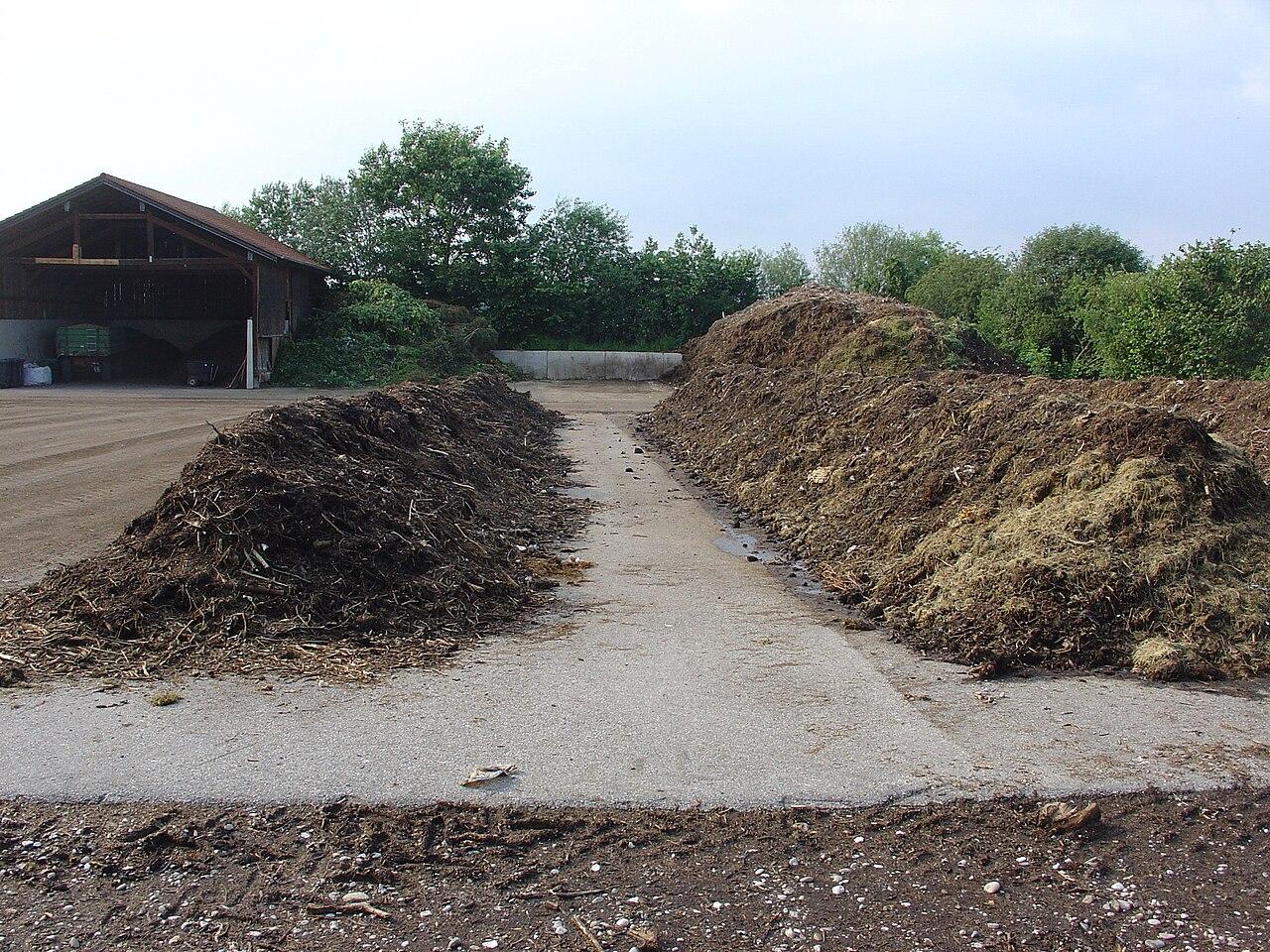
Can You Reuse Old Potting Mix? Usually, With Conditions
Spent compost is not waste, and it is not automatically safe either. The question is what happened to it in the pot — whether it collapsed, whether it was fed, and whether the plant that lived in it was healthy.
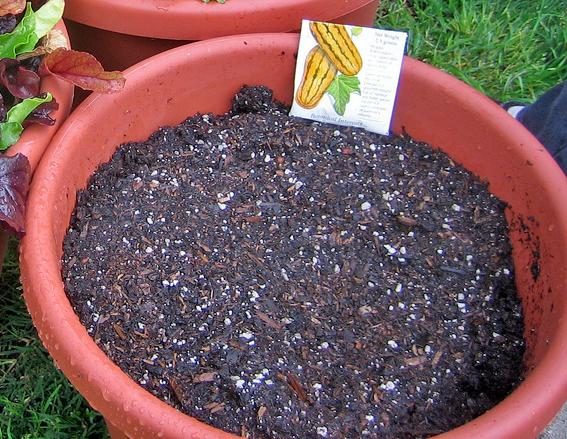
Four Potting Mixes That Cover Almost Every Houseplant
Bagged compost is designed for garden beds and outdoor containers, not for a pot indoors. Four ingredients and four ratios will serve everything on your shelf better.
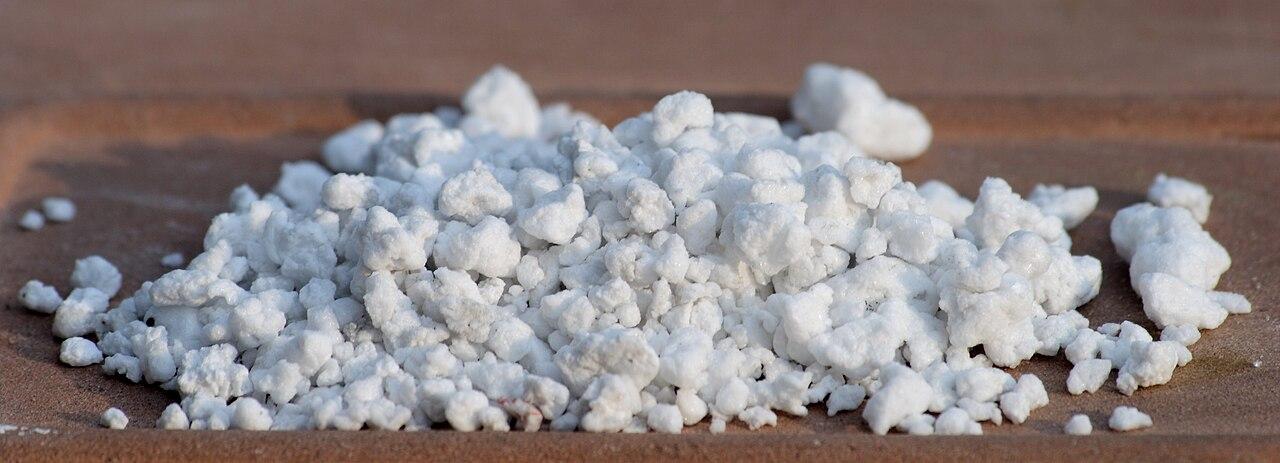
Perlite vs Vermiculite: They Do Opposite Things
Both are white-ish mineral granules sold on the same shelf for the same price, and people treat them as interchangeable. One adds drainage; the other adds water retention.